

Autonomous vehicle ethics is a topic of interest to not only auto tech enthusiasts, but also philosophers, policymakers and regulators. Although there are solid cases for replacing human drivers with machines, there are also strong arguments against allowing driverless automobiles to take charge of the transportation sector.
As carmakers continuously make inroads into Level 5 of driving automation and usher in the age of fully self-driving vehicles, the world must ask and answer these six ethical questions sooner rather than later.
1. Should Discrimination Be a Primary Consideration When Programming Fully Autonomous Vehicles?
Level 5 vehicles use multiple algorithms to perceive elements on the road, predict probabilities and make maneuvering decisions. While these sets of instructions enable them to operate independently, fundamentally flawed code can make them prone to algorithmic bias.
Decisions arising from algorithmic bias can lead to undesirable outcomes disproportionately affecting specific groups of people. One of the most pressing ethical challenges carmakers face is programming fully autonomous vehicles to treat each individual fairly and to make the right call on the road every single time.
2. How Should Driverless Cars and Trucks Make High-Stakes Decisions?
High-stakes decisions made by experienced human drivers in a split second can already be controversial. You can imagine how the public would react if futuristic machines developed by fallible humans were to make decisions in potentially life-or-death situations.
Many philosophers argue that autonomous vehicles should adopt either utilitarianism or deontology in the event of an unavoidable crash. The former aims to cause the least harm to the greatest number of people, while the latter focuses on duties and rules rather than making morality-based decisions.
3. Should Automakers Be Liable for Accidents Involving Self-Driving Cars?
When a driverless car crashes, the traditional model of driver liability becomes obsolete, creating a complex legal and ethical challenge. Which party should take the blame when a fully autonomous vehicle hits a person or damages property? Fault no longer falls on a single person but could be distributed among the automaker for hardware flaws, the software developer for AI errors, the owner for improper maintenance or even a third-party supplier for a faulty sensor.
Resolving these disputes requires new solutions. Policymakers and regulators should consult diverse stakeholders to ensure comprehensive laws on self-driving vehicles cover all relevant aspects.
4. How Should Level 5 Automobiles Collect and Use Personal Data?
Data privacy is closely tied to the ethics of autonomous vehicles. Driverless automobiles rely on vast amounts of sensitive information to operate safely, personalize settings and navigate road networks efficiently.
The problem is that the companies controlling the advanced technologies that fully autonomous vehicles use to collect data, such as ultrasonic sensors, cameras and lidar, could monetize sensitive information, violating individuals’ privacy. Authorities should clarify who owns which types of data and how they are permitted to use it.
5. Will Fully Autonomous Vehicles Exacerbate Social Isolation?
According to the United States Centers for Disease Control and Prevention, an estimated one in three adults experiences loneliness. The advent of fully autonomous vehicles could reduce opportunities for chance encounters with fellow human beings, exacerbating the epidemic of loneliness and social isolation.
However, driverless vehicles could also reduce isolation. For older adults who no longer drive or individuals with disabilities that prevent them from driving, an autonomous vehicle allows them to visit family, attend appointments and participate in community events. Therefore, the ethical question is whether the loss of chance encounters outweighs new opportunities for isolated individuals to connect.
6. Will Driverless Automobiles Increase Unemployment?
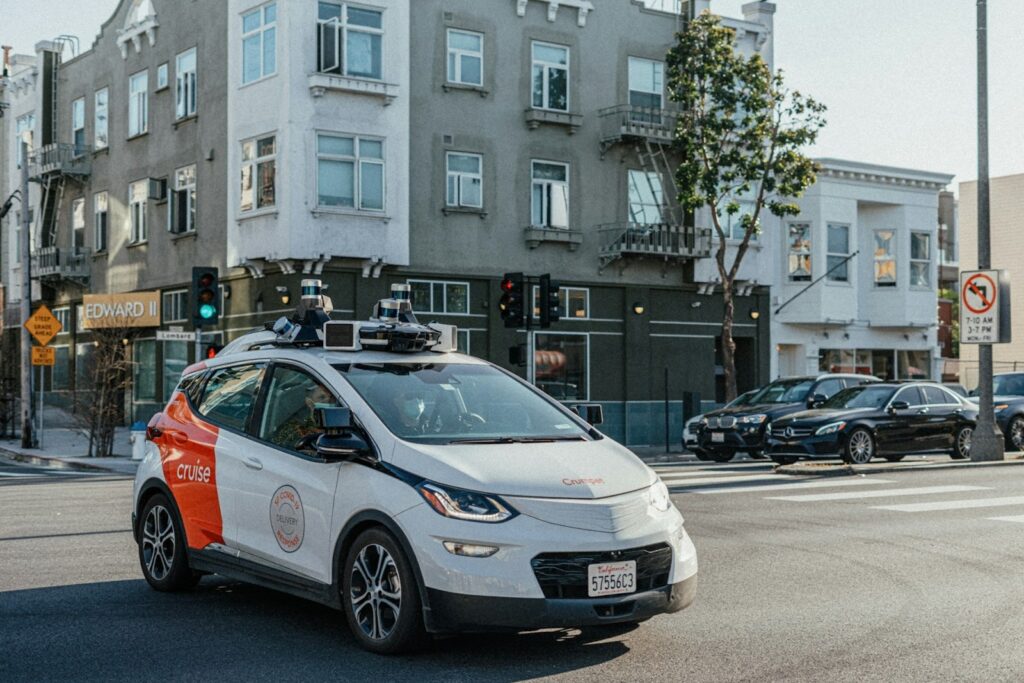
The transportation sector employs millions of people. In the U.S., employment in truck transportation was 1,525,400 in May 2025. That number rises when you factor in delivery, ride-sharing, taxi and bus drivers.
The adoption of self-driving automobiles could render many of these jobs obsolete. Considering that driver wages and benefits, along with fuel, account for approximately 65% of the total cost of operating a truck, fleet leaders have financial incentives to invest in driverless vehicles. This move could eliminate human transportation roles and leave millions jobless, with dire economic and social consequences.
A Crossroads of Morality and Machine
Self-driving cars, trucks and buses have unquestionable merits but also present consequential effects on society. The ethical discussions about the moral impact of fully autonomous vehicles on people’s lives may never reach a consensus. Nevertheless, these conversations are worth having to anticipate the full extent of automated driving’s disruption before driverless automobiles go mainstream.