Category: Uncategorized

  • How Does Sensor Fusion Work in Autonomous Vehicles?

    How Does Sensor Fusion Work in Autonomous Vehicles?

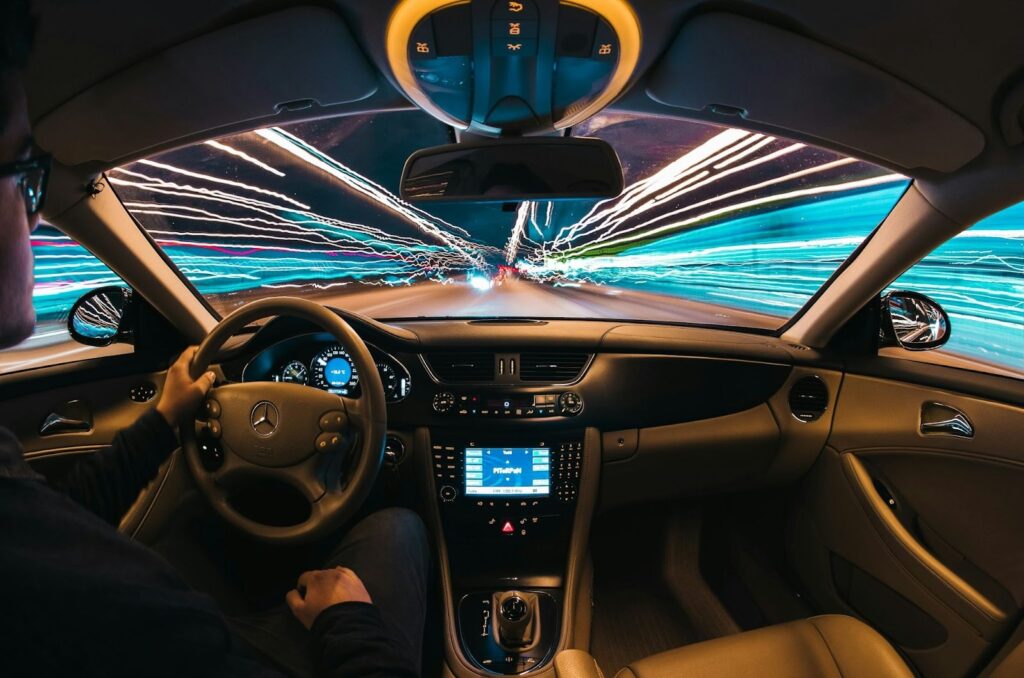
    Autonomous vehicles depend on more than sharp cameras or precise radar. They rely on sensor fusion, the process of combining multiple data sources into a single, clear and reliable picture of the world. By allowing machines to “see,” “hear,” and interpret their surroundings with layered accuracy, sensor fusion helps self-driving systems react safely in real time. Understanding how it works reveals why it’s the backbone of nearly every modern autonomous platform.

    What Sensor Fusion Actually Means 

    Sensor fusion is the process of combining data from multiple sensors, enabling an autonomous vehicle to understand its surroundings with greater clarity than any single input could provide alone. Instead of relying on a single source, such as a camera that struggles in low light or radar that can miss small details, sensor fusion layers information to build a more reliable, holistic view. 

    In practice, this happens through algorithms that compare, filter and merge data in real time. Some systems use low-level fusion, combining raw data before interpretation, while others use high-level fusion, blending already-processed insights. The result is a more accurate representation of objects, road conditions, movement and potential hazards around the vehicle.

    The Core Sensors Behind Autonomous Driving

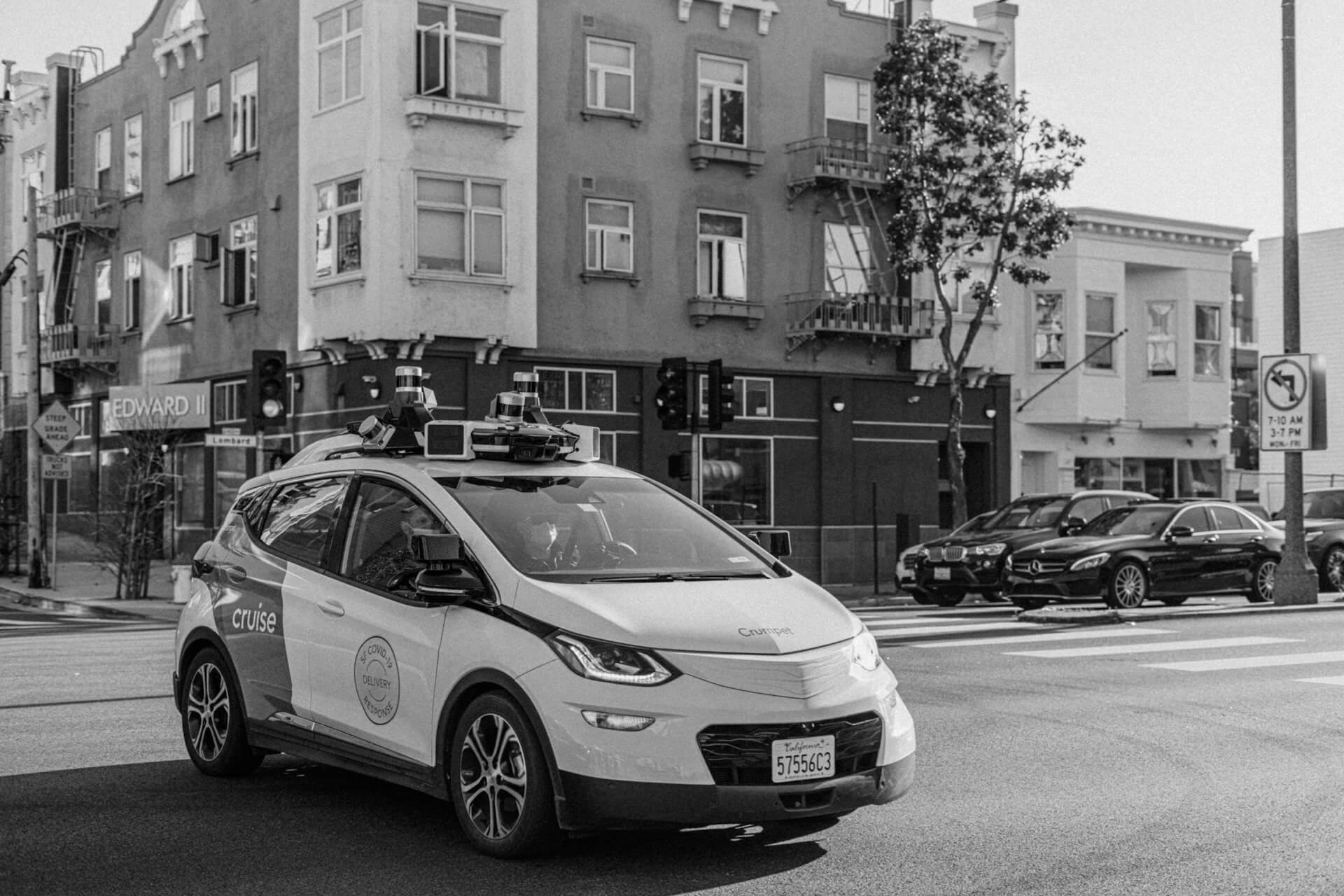
    Autonomous vehicles rely on a combination of sensors, each with its own strengths and limitations. LiDAR maps the world using laser pulses, providing precise 3D depth perception that enables vehicles to accurately gauge distance and shape. Radar excels at tracking movement and speed, especially in poor weather where other sensors may struggle. Cameras provide rich visual detail, making them ideal for interpreting road signs, lane markings and colors like brake lights or traffic signals. 

    Ultrasonic sensors are well-suited for short-range tasks, such as parking or detecting obstacles at low speeds. GPS and IMU systems provide positioning and movement data, enabling the vehicle to understand its location and its movement in space. Sensor fusion combines these individual strengths into a stable and dependable understanding of the environment, which is essential for safe navigation.

    How Sensor Fusion Works Step-by-Step 

    Sensor fusion operates as a pipeline that continuously ingests, organizes and interprets information. First, each sensor collects raw data, including camera frames, LiDAR point clouds, radar echoes and more. This information is preprocessed to filter noise and standardize formats, allowing different data types to be aligned. The system then performs synchronization, matching timestamps to ensure all sensor inputs reflect the same moment in time.

    Next comes data association, where algorithms identify which readings refer to the same object, such as determining that a radar reflection and a LiDAR cluster both represent an approaching cyclist. After that, the fusion model extracts features, like speed, size, distance, direction and merges them to form one unified prediction. The final step is decision-making, where the vehicle’s AI uses the fused data to steer, brake, accelerate or avoid obstacles.

    A common example is when a pedestrian steps into the road at dusk. Radar detects motion, LiDAR confirms distance and cameras identify the human shape. Fusion ensures the vehicle reacts quickly and accurately.

    Why Fusion Beats Relying on a Single Sensor 

    No single sensor can handle every driving condition, which is why sensor fusion delivers such a significant safety advantage. Cameras struggle in fog and glare, radar can miss fine detail and LiDAR may return noisy data in heavy rain. 

    By blending inputs, fusion adds redundancy. If one sensor falters, others fill the gap. It also improves object tracking, since combined data gives a clearer picture of movement, shape and speed. The result is smoother navigation, fewer false alarms and more reliable decision-making, especially in unpredictable environments such as urban traffic.

    Challenges, Limitations and Real-World Constraints 

    Despite its strengths, sensor fusion isn’t flawless. Processing large amounts of data from multiple sensors requires powerful hardware, which can lead to increased costs and energy consumption. For example, the Tesla Semi, which relies on advanced sensor systems, has a steep asking price of around $250,000 per truck.

    Environmental noise, like reflections, weather interference or sensor drift, can complicate interpretation. Systems must also manage latency. Even slight delays affect reaction time. Additionally, keeping sensors calibrated and aligned is crucial, especially in vehicles exposed to bumps, vibrations or harsh conditions.

    Best Practices in Sensor Fusion for Safer AVs 
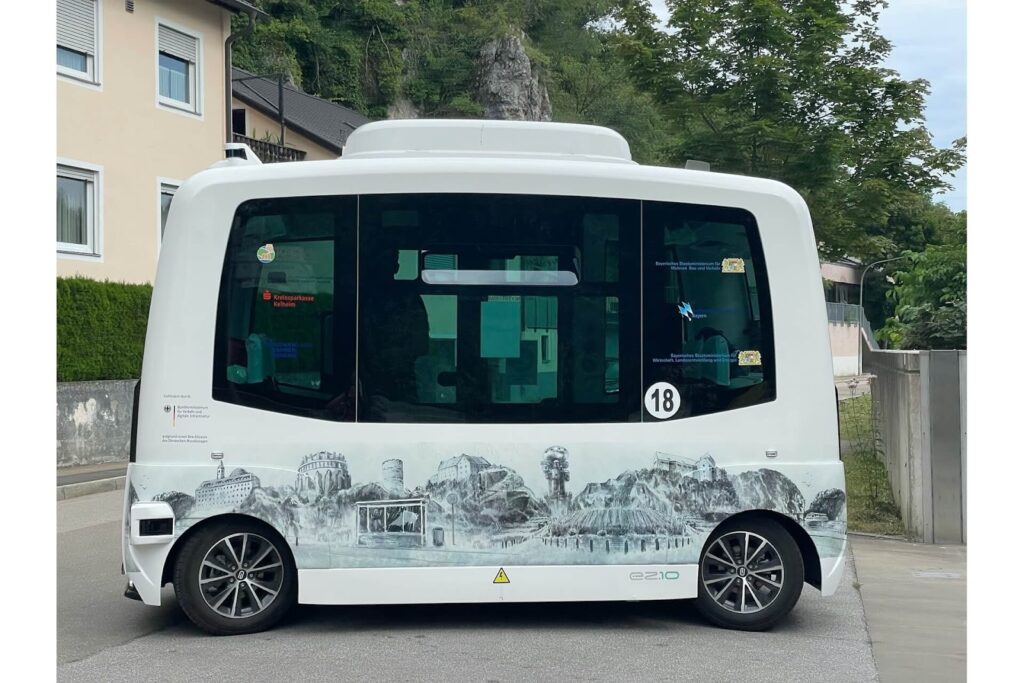
    Effective sensor fusion best practices begin with consistent calibration, ensuring that every sensor captures accurate and aligned data. Redundant sensing reduces blind spots, while high-quality training datasets improve model performance. Continuous software updates also keep algorithms responsive to new road scenarios. 

    A Fusion of Good Sense

    Sensor fusion is the quiet powerhouse behind autonomous driving, giving vehicles the layered perception they need to stay safe and confident on the road. As sensors evolve and algorithms sharpen, fusion will continue shaping the path toward truly dependable self-driving tech.
  • What’s a “Software-Defined” Vehicle? Here’s What You Should Know

    What’s a “Software-Defined” Vehicle? Here’s What You Should Know

    Cars used to be all about engines, gears and hardware. Today’s models run on something entirely different — code. A software-defined vehicle (SDV) operates more like a rolling computer than a traditional car. Features, functions and even performance are shaped by code rather than fixed hardware, which means your car can evolve long after you buy it.

    From Horsepower to High-Tech

    Many automakers describe SDVs as “smartphones on wheels,” and it fits. In these vehicles, code controls far more than infotainment. It manages driver assistance, braking response, battery performance, cabin comfort and the entire digitally-driven experience.

    The shift to software-enriched vehicles reflects trends like vehicle-to-everything (V2X) capabilities and advanced driver-assistance systems (ADAS), which impact safety, comfort and experience.

    The market has responded positively to changes in automotive technology that prolong automobile life and increase upgradability, with the SDV market share reaching $207.76 billion in 2024 and expected to expand to $2,445.10 billion by 2033. Today, buyers are looking for centralized computing, cloud- and edge-based technology and real-time connectivity, breaking from the old model of isolated mechanical systems.

    Manufacturer results include platforms that can gain new abilities without new hardware. Enhancements arrive wirelessly, eliminating the need to trade in your car for new features.

    Core Components of a Software-Defined Vehicle

    Behind the scenes, several technologies work together to make SDVs possible.

    Centralized Computing

    Older cars, SUVs and trucks rely on dozens of small electronic control units scattered throughout the car. SDVs consolidate these systems into a high-powered central computer. This design makes the whole system easier to update and reduces conflicts between individual modules. It also supports more complex features, such as real-time driver monitoring or advanced routing.

    Over–the-Air Updates

    Over-the-air (OTA) updates let your car receive new features, bug fixes and performance updates without stepping into a dealership. Just as your phone refreshes its operating system, your vehicle can download improvements overnight. Automakers use OTA updates to refine systems with millions of coded control functions, unlock paid enhancements and improve energy efficiency.

    Constant Connectivity

    Cloud connectivity enables an SDV to share data, access digital services and monitor critical components. Real-time diagnostics help detect issues early, while personalized settings can sync from your mobile device. This constant connection also supports more dynamic navigation and better integration with smart home or charging networks.

    What Can Software-Defined Vehicles Actually Do?

    Code shapes nearly every part of the driving experience. You’ll see its impact in various features, including:

    • Driver assistance and automation: Systems such as lane keeping, adaptive cruise control, ADAS, V2X, and automated parking rely heavily on software to analyze sensor data.
    • Personalization: SDVs let you customize cabin settings, entertainment profiles and even driving dynamics.
    • Feature flexibility: Some models allow add-ons through subscriptions or one-time purchases.

    Most importantly, software-defined vehicles form the foundation for autonomous driving. As automation levels increase, code becomes the main factor determining what a driving system can see, interpret and control.

    The levels of driving automation explain what experience you can expect from an SDV. Most software-enabled cars already operate at level 1 or 2, meaning they have some automated features. Full automation remains rare, and many experts question whether level 5 will be possible, but technology will ultimately determine that future.

    The Roadblocks and Challenges Ahead

    The shift toward SDVs presents significant challenges for manufacturers and drivers.

    Cybersecurity Questions

    Highly connected automobiles must navigate more than potholes, with cybersecurity risks being foremost. Hackers could target a vehicle’s network, attempting to access critical systems or personal data. Automakers now invest heavily in encryption, intrusion detection and secure update processes to protect the system layers.

    New Production Methods

    Building an SDV requires rethinking the entire development process. Instead of designing isolated hardware components, companies need integrated teams of automotive engineers and software developers. A Deloitte study notes that this challenge is one of the biggest hurdles for legacy automakers transitioning into technology-centric companies.

    Cost of Innovation

    Developing the software and cloud systems that power SDVs is expensive. Ongoing updates require long-term support. These costs often trickle down to buyers through higher sales prices and optional subscription features.

    What This Means for Your Next Car

    Code now influences how a vehicle drives, learns and improves over time. For buyers, this means test-driving the digital experience is just as important as evaluating handling and comfort. Drivers now look for seamless connectivity, customizable dashboards and long-term update support. As SDVs evolve, the value of a car will depend less on the engine and more on how well the software integrates into daily life.

    The shift is clear — digital systems are becoming the true engine behind automotive design.

  • Evaluating the Cybertruck’s Off-Road Capabilities

    Evaluating the Cybertruck’s Off-Road Capabilities

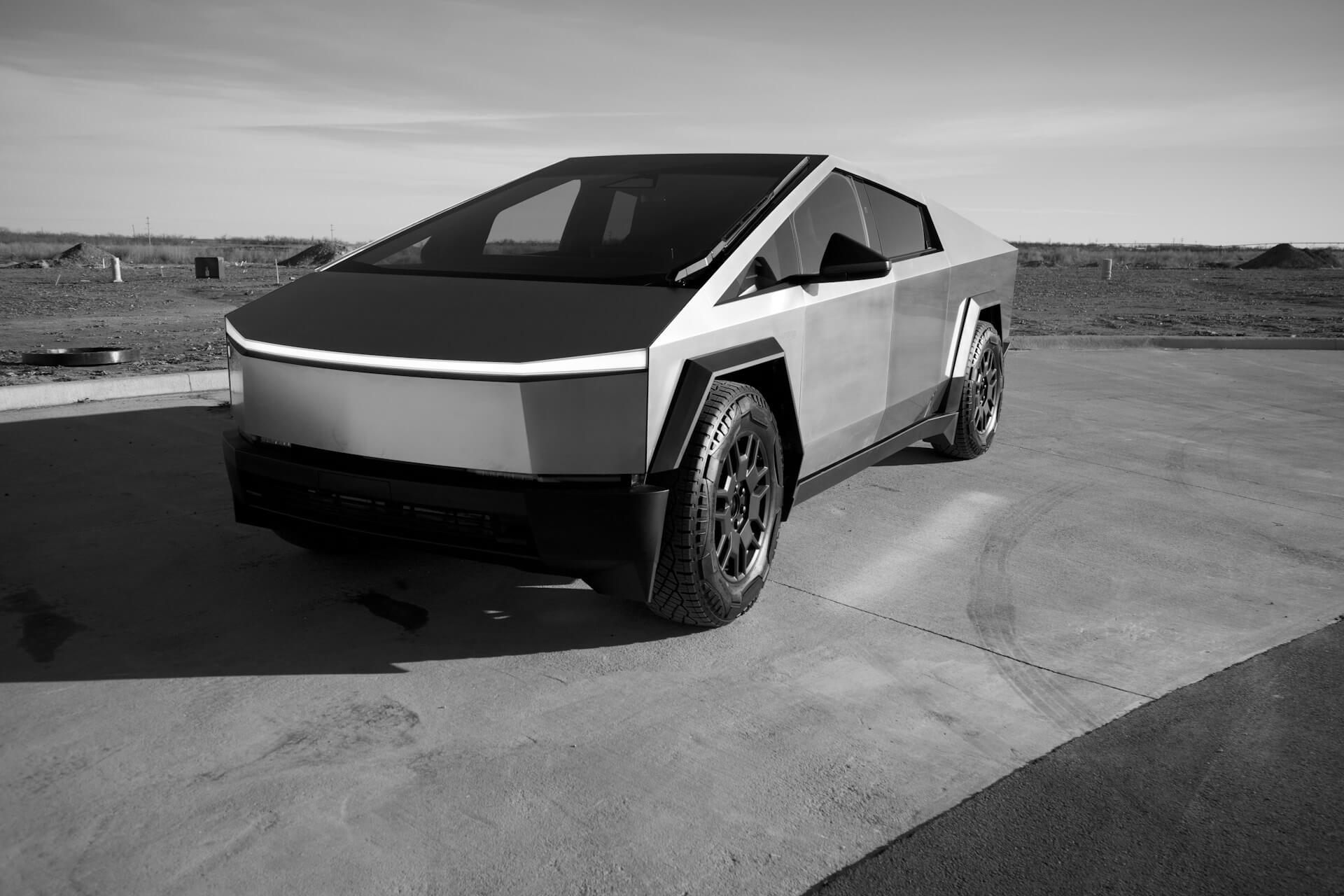
    Introducing the Tesla Cybertruck — a bold departure from conventional off-road design. It’s time to move beyond the hype and critically evaluate how this electric vehicle’s key features perform once the pavement ends, analyzing its structural integrity, innovative suspension system, advanced electronic aids and practical design elements.

    Only then will you be able to determine whether the Cybertruck can truly stand up to the rugged demands of off-roading. Buckle up and explore what this futuristic vehicle can really do off the beaten path!

    The Foundation — Exoskeleton and Air Suspension

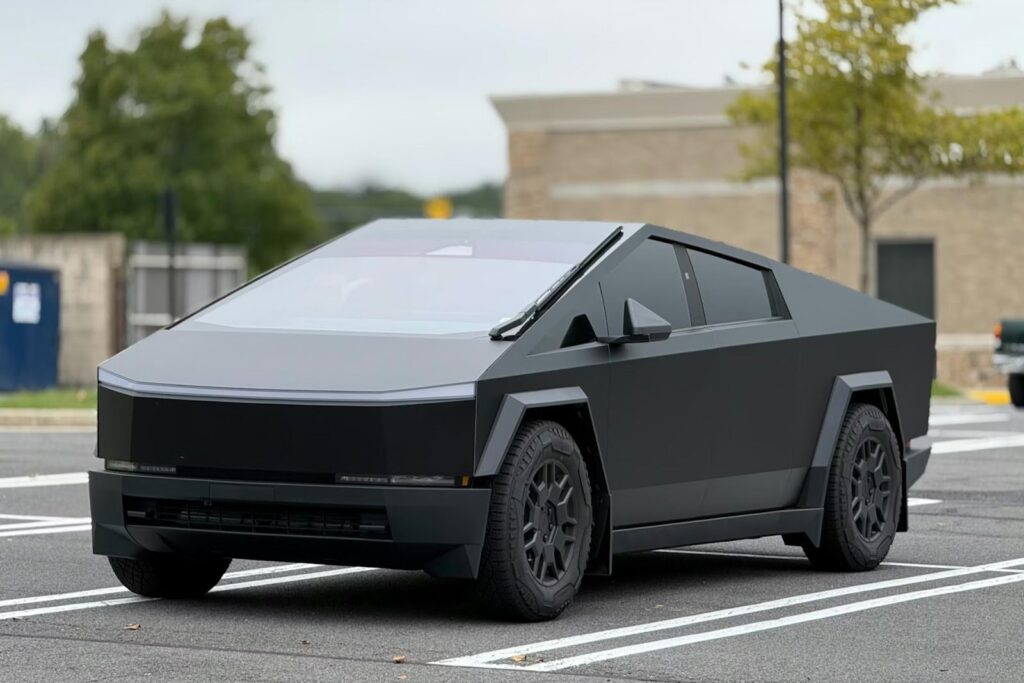
    The Cybertruck features a robust stainless-steel exoskeleton that’ll resist scratches and dents from rugged terrains, outperforming traditional paint and body panels. This feature enhances its durability, ensuring the vehicle stays in pristine shape against rocks and low-hanging branches. 

    Complementing this exoskeleton is the adaptive air suspension system, which can adjust the ride height up to 16 inches when traveling over rougher terrain. In “Extract Mode,” the Cybertruck’s impressive approach and departure angles facilitate more straightforward navigation over obstacles. However, while the stiff chassis may provide you with more stability, real-world implications reveal that the truck’s air suspension may not offer sufficient articulation to excel in rock crawling scenarios.

    Four-Wheel Steering — Would You Ever Want to Turn This Off?

    The Tesla Cybertruck’s off-road all-wheel drive (AWD) enhances its maneuverability in challenging terrains. Also equipped with a four-wheel steering (4WS) system, the vehicle effectively navigates tight turns, with a “Crab Mode” allowing for a smaller turning radius. According to the Cybertruck Owners Club, this steering capability enables much sharper and more agile handling maneuvers, particularly in rocky environments. 

    This 4WS steering advantage is pivotal in off-roading, enabling the Cybertruck to tackle obstacles with greater precision and agility. You can deactivate the 4WS feature, which rotates the rear wheels in the opposite direction to the front ones, in off-road mode. The question is whether you’d ever want to? Overall, the 4WS steering feature sets the Cybertruck apart as a formidable contender in the off-road electric vehicle market.

    Digital Off-Roaming — Steer-by-Wire and Drive Modes

    With the Cybertruck’s steer-by-wire system eliminating the physical connection between its steering wheel and front tires, you’ll experience enhanced control off-road. This technology enables a variable steering ratio, resulting in significantly reduced kickback, which you’ll find especially beneficial on rockier trails. Its various off-road modes, including Overland, Baja and Rock, modify this Tesla’s power delivery and traction control for different terrains. 

    The Cybertruck’s dual motor locking differential improves its traction by adjusting the power distribution between its wheels. However, while this steer-by-wire system enables technical maneuvers, there are still questions about its precision. Additionally, how effective is each drive mode really? The software involved is core to the Cybertruck off-road experience, but doubts remain whether these modes are distinct enough to be genuinely helpful.

  • What Are the Upsides and Downsides of a 6-Stroke Engine?

    What Are the Upsides and Downsides of a 6-Stroke Engine?

    The automotive industry continually pushes the boundaries of innovation, striving for improved performance and efficiency. Four-stroke engines currently dominate the market, but engineers are tirelessly experimenting with alternative designs. One such innovation is the 6-stroke engine, seeking to redefine engine technology by introducing an additional power stroke. This design promises to enhance fuel efficiency and deliver greater power output, showcasing the relentless pursuit of excellence in the automotive engineering world.

    However, with every upside to technology comes a downside. Or does it? How does a 6-stroke engine work and are there upsides and downsides to this innovative technology?

    How Does a 6-Stroke Engine Work?

    Understanding the 6-stroke engine’s functionality means first grasping the basic 4-stroke cycle — its intake, compression, power and exhaust. These engines consist of similar components to those of the conventional 4-stroke engine, but with the addition of two more valves. If you understand a 4-stroke engine, you’ll appreciate that the 6-stroke engine, with its two additional strokes, can enhance efficiency by up to 30% through its expanded cycle compared to a 4-stroke internal combustion engine. 

    One type of 6-stroke is the single-piston (Thermal) design, which injects water or air into the combustion chamber. This addition captures waste heat from the initial power stroke and converts it into steam for a second power stroke and an additional exhaust stroke, hence maximizing energy extraction from the fuel.

    Another premier 6-stroke design is the opposed-piston system, featuring a second piston that directly manages intake and exhaust. This design eliminates the traditional valvetrain to reduce mechanical complexity and increase the engine’s overall efficiency. 

    Together, these innovations highlight the 6-stroke engine’s potential for redefined automotive performance.

    The Upsides of a 6-Stroke Engine

    With sustainability and fuel efficiency in mind, the 6-stroke engine stands out with significant advantages over traditional engines. By optimizing power generation and reducing emissions, this innovative design promises impactful benefits.

    Greatly Improved Efficiency

    As already mentioned, a primary benefit of the 6-stroke engine is its ability to improve efficiency. By capturing and reusing waste heat from the exhaust, the engine effectively gains a “free” power stroke. 

    Porsche’s recently patented 6-stroke engine design utilizes a crankshaft that rotates around an annulus — two concentric circles — to reduce the distance the piston travels and alter the engine’s compression ratio. With the two top and bottom dead centers that this creates, engine efficiency substantially improves.  

    With 6-stroke engine processes, thermal efficiency improves, leading to reduced overall fuel consumption. As a result, you can expect to drive longer distances on less fuel, making it a cost-effective option.

    Lower Harmful Emissions

    The 6-stroke engine can minimize harmful emissions. The second expansion stroke helps to cool the exhaust gases, which in turn reduces the formation of nitrogen oxides — a significant contributor to environmental pollution. Furthermore, more complete combustion during this additional stroke results in lower levels of carbon monoxide and unburned hydrocarbons, offering a greener alternative for the environment.

    With Porsche, Mazda and Toyota all recently patenting 6-stroke engines, some are predicting that the engines’ lowering of harmful emissions could lead to 6-stroke vehicles becoming viable alternatives to battery electrics in the future. With many of the most exciting cars released in 2025 being electric, these suggestions are intriguing, to say the least.

    Reduced Need for Cooling Systems

    In a 6-stroke thermal design, injected water aids in cylinder cooling. This feature enables the engine to operate at lower overall temperatures, allowing for reduced size and complexity of the external cooling systems. In turn, this leads to lighter engine designs and greater overall efficiency — a further benefit for manufacturers and consumers.

    The Downsides of a 6-Stroke Engine

    Despite its apparent advantages, the 6-stroke engine does have some notable downsides. One significant issue is its increased mechanical complexity — the addition of two extra strokes requires a more complicated camshaft and valve timing, with an onboard water injection system potentially creating more failure points. Additionally, the intricate design and additional parts requiring specialized knowledge for repairs could lead to higher manufacturing and maintenance costs. 

    While these engines promise greater efficiency, they may suffer from lower power-to-weight ratios. The additional components could make 6-stroke engines heavier and bulkier than comparable 4-stroke alternatives, potentially impacting performance, especially in high-RPM applications.

    Is the 6-Stroke the Future of the Internal Combustion Engine?

    The challenges a 6-stroke engine faces due to its complexity and potential cost temper its notable advantages. Despite being patented and prototyped by various top automotive companies, widespread adoption remains elusive. Although it may not appear in consumer vehicles soon, the innovation it encompasses continues to shape the efficiency of modern engine design.

  • Why Is Toyota Investing in Satellites?

    Why Is Toyota Investing in Satellites?

    Toyota is making a strategic move that may seem unexpected at first. The company best known for its reliable cars is investing money and engineering talent in orbital technology through Toyota satellite networks. This reflects a clear belief that the future of mobility and global industry will rely on space infrastructure as much as roads on the ground.

    A Shift Toward Advanced Mobility

    Toyota has been a popular automobile brand for decades because of its reliability and performance. However, Toyota has been expanding its definition of mobility for several years. The company now views mobility as the movement of people, data and services across every environment. Space is becoming an essential part of that vision. As global demand for satellite-based communications and navigation grows, Toyota wants a direct role in shaping the technologies that will drive the next generation of connected transportation. 

    The investment in Japanese rocket and satellite capabilities gives Toyota influence in a growing sector and a way to future-proof its operations. It also supports Japan’s goal of increasing its domestic presence in commercial space activities. 

    Strengthening Global Connectivity

    A modern vehicle is no longer a stand-alone machine. It operates within a network of digital services that rely on constant connectivity. Ground networks can only do so much. Satellites can reach remote regions, support safer autonomous systems and guarantee uninterrupted communication during emergencies or natural disasters. 

    This is where the idea of a Toyota satellite becomes relevant. By supporting satellite launch and design, Toyota can help create an ecosystem in which its vehicles, factories and customers stay connected anywhere in the world. This level of coverage is essential for future services such as advanced navigation, real-time diagnostics, remote software updates and long-distance autonomous freight. 

    Engineering Expertise Applied to Space

    Toyota is renowned for its rigorous production discipline and stringent quality control. These strengths translate well to the challenges of rocket manufacturing and satellite deployment. The space sector is moving from experimental innovation to industrial scaling, and Toyota’s involvement can accelerate that shift. 

    Supporting a commercial rocket provider allows Toyota to influence standards, efficiency and reliability. It also positions the company to use space-based assets tailored to its long-term goals.

    Preparing for a New Industrial Landscape

    The global economy is becoming more dependent on orbital infrastructure. Everything from logistics planning to climate monitoring depends on satellite networks. By investing early, Toyota protects itself from rising competition and gains access to the data systems that will shape future industries.

    A Toyota satellite network could eventually support electric mobility, autonomous fleets, aviation partnerships and even lunar exploration programs. Toyota has already worked with space agencies on concept vehicles intended for use on the Moon and this new investment aligns with those projects.

    A Concrete Partnership

    In early 2025, Toyota — via its mobility unit Woven by Toyota — committed roughly seven billion yen (about $44 million) to Interseteelar Technologies (IST), a Japanese startup. This funding was earmarked as part of IST’s Series F financing, essentially a long-term bet on mass-producing lightweight rockets capable of frequent launches. 

    As part of the alliance, Woven by Toyota secured a seat on IST’s board. The plan is to bring Toyota’s renowned manufacturing methods, supply chain know-how and disciplined mass-production culture to rocket development. 

    That gives Toyota a real stake in rocket launches and the broader satellite-based communication infrastructure that rockets enable. It’s a move that transforms Toyota’s ambition from theoretical to tangible. 

    Expanding the Vision

    Toyota’s interest in space is not limited to rockets and satellite networks. In late 2025, the company signed a partnership with ispace, a Japanese space startup focused on lunar exploration and robotics. Under this agreement, Toyota will lend its engineering and system design expertise to help develop next-generation lunar rovers capable of operating in the harsh lunar environment.

    This shows that Toyota is thinking well beyond launching satellites. The company envisions a future where its mechanical and production expertise help build “cosmic cruisers,” vehicles operating on other celestial bodies. For Toyota, mobility may soon include vehicles on Earth, on roads and off-road, and beyond Earth entirely. 

    The Strategic Meaning Behind the Move

    Toyota is not abandoning its core business, but rather expanding it. The company understands that the future of transportation will not stop at the edges of a highway. It will be connected to global data, real-time navigation, remote sensing and secure international communication. Toyota satellite networks make all of this possible. 

    Toyota’s Next Chapter Begins in Orbit

    By entering the space sector now, Toyota gains control over the technologies that will define mobility for the next several decades. It is an ambitious step, but it is also a logical one for a company that intends to remain a leader in a rapidly evolving world. 

  • How Do Autonomous Vehicles Use Machine Learning?

    How Do Autonomous Vehicles Use Machine Learning?

    Autonomous vehicles (AVs) are transforming how we travel, relying on machine learning to perceive, interpret and respond to their environment. Sensors like cameras, LiDAR and radar provide critical data for safe navigation. Advanced algorithms process this information to detect objects and assess risks. Machine learning ultimately enables vehicles to make decisions and drive with minimal human input.

    Seeing and Interpreting the Surrounding Environment

    Researchers have gained significant momentum in autonomous driving over the past few decades, profoundly disrupting the automotive industry. Driver-related errors, including distracted driving and improper maneuvers, account for approximately 94% of accidents. Automating vehicles can significantly reduce many human errors, potentially saving thousands of lives. AVs enhance safety and provide mobility for individuals who are unable to drive, such as older adults or those with disabilities. 

    Additionally, automated driving enhances efficiency, reduces fuel consumption and minimizes the environmental impact of traditional driving. The transportation industry is responsible for 29% of the greenhouse gas (GHG) emissions in the United States. Efficient route planning and reduced traffic congestion are essential. These advanced trucks use predictive analytics and smart driving, enabling autonomous trucks to optimize fuel efficiency rather than focus on rapid acceleration.

    Fusing Multiple Sensors for Accurate Perception

    AVs use computer vision and machine learning, including deep CNNs, to detect and classify road objects. RGB cameras mimic human vision by processing red, green and blue wavelengths to identify vehicles, pedestrians, bicycles and obstacles. Similarly, CCTV footage can be analyzed frame by frame to detect and classify objects on the road.

    Beyond cameras, AVs use LiDAR and radar to capture depth and motion, mapping the environment and tracking moving objects. GPS aids navigation by providing the location, speed and direction of each vehicle. This enables computer vision algorithms to integrate visual data with precise positioning, resulting in safer and more efficient driving.

    Processing Perception Using Advanced Machine Learning Techniques

    Sensor fusion combines data from multiple sensors to give AVs  a more accurate and reliable view of their surroundings. Cameras capture detailed visuals, LiDAR generates precise 3D point clouds and radar measures range and velocity, even in poor weather conditions. Integrating these inputs offsets individual sensor limitations, ensuring effective perception.

    Fusion occurs at multiple levels: early fusion merges raw data but may face alignment issues, mid-level fusion combines extracted features for stronger perception and late fusion integrates decisions from separate sensors for simplicity. Each approach strikes a balance between complexity, accuracy and synergy in autonomous vehicle perception. This process is vital for safer navigation, better object detection and smarter decision-making in complex traffic.

    Making Driving Decisions Based on Processed Data

    Perception is crucial for autonomous driving, as machine learning enables vehicles to accurately interpret and respond to their surroundings. The Simultaneous Segmentation and Detection Network (SSADNet) uses LiDAR point clouds to identify drivable areas and obstacles in real time, achieving 96.9% pixel-wise segmentation accuracy. By converting 3D LiDAR data into top-view images, SSADNet detects both moving and stationary objects, providing critical input for decision-making and trajectory planning.

    Modern AVs enhance perception through multisensor integration. CNN-based multitask learning, Sparse Spatial Convolutional Neural Networks (SSCNN) and Sensor-Weighted Integration Field (SWIF) fuse LiDAR, camera and radar data. This integration enables AVs to navigate complex urban traffic effectively. Techniques such as 3D vehicle recognition using monocular vision, SVM-CNN for addressing class imbalance and RANSAC enhance object detection, distance estimation and risk assessment. Vehicles like Boss demonstrate how fused sensor data creates comprehensive and reliable world models for safe autonomous driving.

    Making Driving Decisions with Machine Learning

    AVs use advanced decision-making systems to navigate complex environments safely and efficiently. They create internal maps of surroundings, from road layouts to traffic participants and use this information to plan trajectories, avoid obstacles and interact with other vehicles while following traffic rules. Decision-making integrates perception, planning and control across Assisted, Automated and fully Autonomous modes.

    AV decision-making architectures fall into two main types — Modular and End-to-End. Modular designs separate tasks like route planning, behavior selection, motion planning and control, making them interpretable and easier to debug. End-to-End systems map sensory inputs directly to driving actions via machine learning, simplifying the pipeline but reducing transparency. Hybrid approaches combine the benefits of both.

    Recent research focuses on learning-based strategies, including reinforcement and imitation learning, enabling AVs to adapt to dynamic scenarios and exhibit humanlike behaviors beyond preset rules. These methods excel in uncertainty handling, risk assessment and complex traffic situations. Ongoing studies continue refining models for improved safety, efficiency and real-world generalization.

    Teaching Cars to See, Think and Drive Safely

    Machine learning powers AVs, enabling them to perceive, interpret and respond to complex traffic situations. Sensor fusion and advanced perception improve accuracy and safety, while decision-making models guide efficient, hazard-free navigation. Together, these systems are shaping smarter, safer transportation.

  • Are AirConsole Games in Cars a Good Idea?

    Are AirConsole Games in Cars a Good Idea?

    Gaming has evolved into many forms over the years to ensure that this entertainment medium is portable and suitable in almost any setting. AirConsole is a pioneer in in-car gaming, but it’s understandable for many drivers to be wary of its integration into vehicles and the driving culture. 

    How an AirConsole Works in the Car

    AirConsole is a cloud-based gaming platform where smartphones are turned into controllers and users can play on just about any screen. Its popularity comes as no surprise, given that 205.1 million Americans play video games this year. 

    The idea is to use the car’s infotainment system as the platform and engage in casual gameplay. AirConsole already partnered with the BMW Group in 2022 to promote casual gaming in their vehicles with minimal setup. 

    The Appeal Behind In-Car Gaming

    In-car gaming is a relatively new concept, especially if it’s more than just bringing out your smartphone for a quick mobile game. That said, benefits are driving the trend, like: 

    Curing Passenger Boredom

    Long drives can have their moments, but they can also feel extremely tedious. AirConsole offers a simple way for people to discover entertainment and enhance their travel experience. The multiplayer games, especially, can bring up lots of laughs and feel-good moments for everyone in the whole car. 

    Boosting Entertainment Without Needing Batteries

    Another perk of in-car gaming is the seamless setup involved. Simply connect your smartphone and vehicle by scanning the QR code to get started with AirConsole games. You can skip bringing a separate tablet or gaming console to minimize clutter. 

    Additionally, there’s less pressure to rely on those devices and their battery life. You can easily charge smartphones in the car nowadays.

    Fixing Downtime with Pastime

    Say you have an electric vehicle and you need to charge it. Level 2 chargers can charge battery-powered electric vehicles to 80% in at least four hours, while a plug-in hybrid electric vehicle will take one to two hours. If you’re lucky enough to find direct current fast charging equipment, it should take only 20 minutes or so. 

    Playing games while waiting for the charging time is a much more engaging activity. Additionally, you can keep a closer eye on your vehicle until the battery is fully charged. 

    Concerns Surrounding In-Car Gaming

    As enjoyable as in-car gaming can be, there are still risks associated with projecting and playing video games on the infotainment screen. Here are several to be wary of:

    Distracts Drivers on the Road

    It’s essential to maintain your utmost focus on the road to ensure a safe arrival at your destination. In-car gaming may serve as a visual distraction, and 62% of road accidents are due to distracted driving. Even if you’re not the one playing per se, newer and inattentive drivers may find their eyes dart over to the screen. 

    Makes You Less Aware of Your Surroundings

    Using AirConsole is fantastic for killing time, but concentrating too much on its games can make you less aware of your surroundings. Even if you’re in a public charging station or parking lot, it’s essential to be vigilant of any suspicious activity. You never know if you’re going to fall victim to carjacking or vandalism. 

    Swaps Out Relevant Information

    Normalizing in-car gaming on the infotainment system means trading off that screen for key driving data, such as navigation apps and weather updates. It also takes space away from vehicle status, rearview camera feeds and more. 

    Should You Use AirConsole Games in Cars?

    AirConsole games are a fantastic feature for entertainment, but it’s vital to use them responsibly. For example, the system should only be used when the vehicle is safely parked. Ideally, passengers should be the only ones to play, as drivers are responsible for their safety. If drivers do want to play, stay aware of their surroundings, even when the car is stationary.

    If you need entertainment, consider less visually distracting options. A study found that 70% of American drivers listen to the radio, though you can also play your own podcast or music on the car speakers. 

    Vigilance for Drivers, Entertainment for Passengers

    Cars are slowly morphing more and more into entertainment hubs with the addition of AirConsole games. Weigh the benefits and risks before using such systems. While they’re an excellent option for passengers or standby drivers, these should definitely be closed while on the road for maximum focus and safety.  

  • Here’s What You Can Expect From the Internet of Vehicles

    Here’s What You Can Expect From the Internet of Vehicles

    The Internet has connected computers and homes, with smart speakers, thermostats and similar innovations. Now, it’s poised to connect vehicles in a revolutionary way. The Internet of Vehicles (IoV) is a network where cars can connect not only with each other but also to cloud platforms and city infrastructures. It can reshape the driving experience and make the transportation system smarter, safer and more efficient.

    What Is the Internet of Vehicles?

    The IoV is like a social network for cars, a platform where they can share status updates to help each other navigate more effectively. It’s a subset of the Internet of Things (IoT), which transmits data over a system without interactions between humans and computers. The IoV uses sensors, software and communication technologies to function. Its core components include: 

    • Vehicle-to-vehicle (V2V): Cars share data on speed, position and road hazards with each other. 
    • Vehicle-to-infrastructure (V2I): Cars communicate with their environment, including traffic lights, road signs and other infrastructure to optimize traffic flow. 
    • Vehicle-to-everything (V2X): Cars communicate with everything, including V2V, V2I, pedestrians, cloud networks and more. 

    The IoV is a specialized part of the smart transportation market, which integrates AI, IoT, data analytics and other technologies. This segment is expected to grow to $276.65 billion by 2029, which is a significant increase from $129.72 billion in 2024. 

    How Will IoV Change Your Daily Drive?

    The Internet of Vehicles offers many tangible benefits and real-world applications. 

    Next-Level Safety 

    Beyond basic collision avoidance, V2V communication can prevent accidents with “cooperative perception,” where a vehicle can “see” what a car two vehicles ahead “sees.” For example, if you’re driving in fog, your dashboard may alert you of a stalled car a mile ahead, long before your eyes and sensors can detect it.

    Smarter, Stress-Free Commutes

    IoV can optimize the entire traffic grid. It can reroute you around traffic jams and even predict them before they happen. Your GPS can also sync with city traffic lights to create a “green wave,” timing the lights ahead of you to match your speed for a smoother journey. 

    The End of Surprise Downtimes

    Vehicle repair and maintenance can turn predictive instead of reactive with IoV, as sensors monitor the health of components in real-time. You receive a specific notification from the start, rather than a vague check engine light and a trouble code that requires a scan tool to retrieve. The technology can also reroute your car to nearby auto shops or even book an appointment for you. 

    The Core Technologies Making It Possible

    Here’s an overview of the technologies that power the IoV: 

    • 5G connectivity: For a car to brake automatically, the signal must be instantaneous. The IoV relies on the immediate transmission of massive amounts of data, a task tailor-made for 5G networks. Its role is so critical that connected cars are expected to make up around 53% of the 5G IoT market by 2030. 
    • Advanced sensors: Vehicles use different types of electronic “senses” to safely and efficiently navigate the roads. For example, LiDAR creates detailed 3D maps of the environment, radar excels at detecting object speed and distance in rain or fog and cameras read road signs and lane markings. 
    • Onboard computing: Cars have powerful processors that analyze data and make decisions in milliseconds. It eliminates delay, manages massive data volume and ensures constant reliability in areas with no cell service. 

    Who Is Leading the IoV Revolution?

    The best luxury car brands are leading the charge, as they’re often the testbed for new and expensive technologies. They have the budget and customer base willing to pay for cutting-edge functions and luxury features. Consider Tesla’s over-the-air software updates, Audi’s traffic light information V2I feature and the advanced driver-assist systems of BMWs and Mercedes-Benzes. 

    The Hurdles on the Road to a Connected Future

    IoV still has a ways to go before it goes mainstream due to these challenges: 

    • Cybersecurity risks, such as a hacker remotely disabling a car’s brakes or spoofing a V2I signal to cause a traffic jam
    • Data privacy concerns, including how automakers prevent unlawful data collection and use
    • Standardization and infrastructure, as the V2X system must be universal to be effective

    Navigating the Road Ahead for IoV

    The Internet of Vehicles is the next frontier in automotive technology. However, the journey toward a fully connected network is a balancing act. The potential for safer roads and smarter cities must be weighed against the critical need to secure data from new-age threats. Ultimately, IoV represents a fundamental shift in the driving experience. It turns vehicles from simple modes of transportation to intuitive partners that can anticipate human needs and work with the world around them. 

  • Smart Cockpits Will Revolutionize the Driving Experience in These 5 Ways

    Smart Cockpits Will Revolutionize the Driving Experience in These 5 Ways

    Smart cockpits are revolutionizing automotive innovation by integrating advanced technologies to transform driver and passenger interactions. Featuring AI-driven interfaces, real-time data analytics and effortless connectivity, these systems enhance operational efficiency while dramatically improving your user experience. 

    From personalized settings to robust safety features, smart cockpits adapt to individual preferences, ensuring that every journey is both convenient and enjoyable. What is a smart cockpit and how are they reshaping our driving experiences for the better?

    More Than a Screen — What Is a Smart Cockpit?

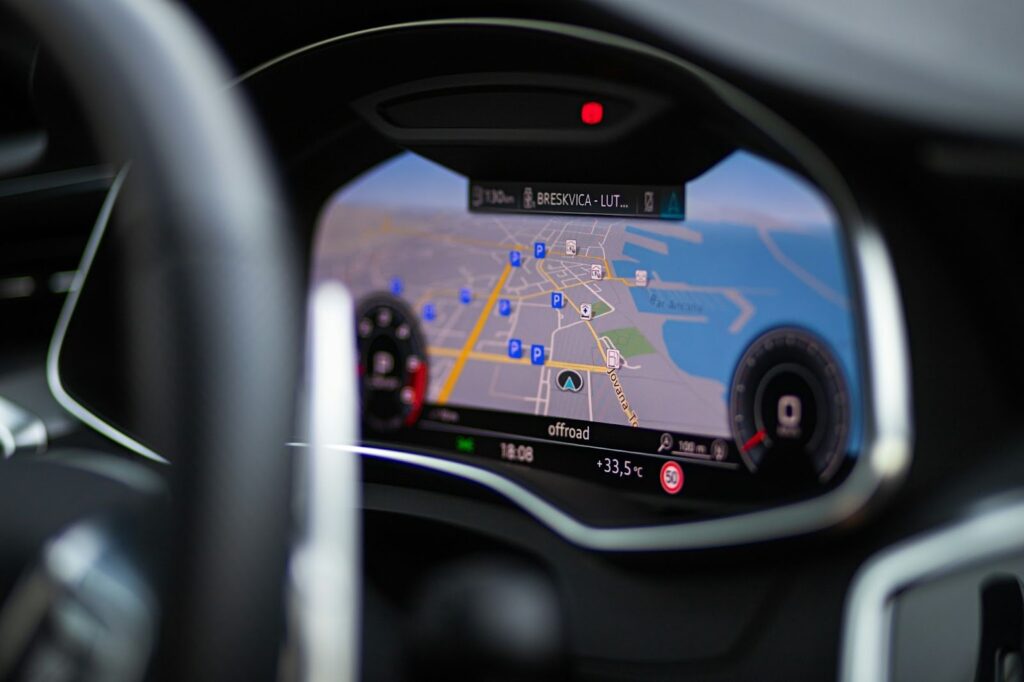
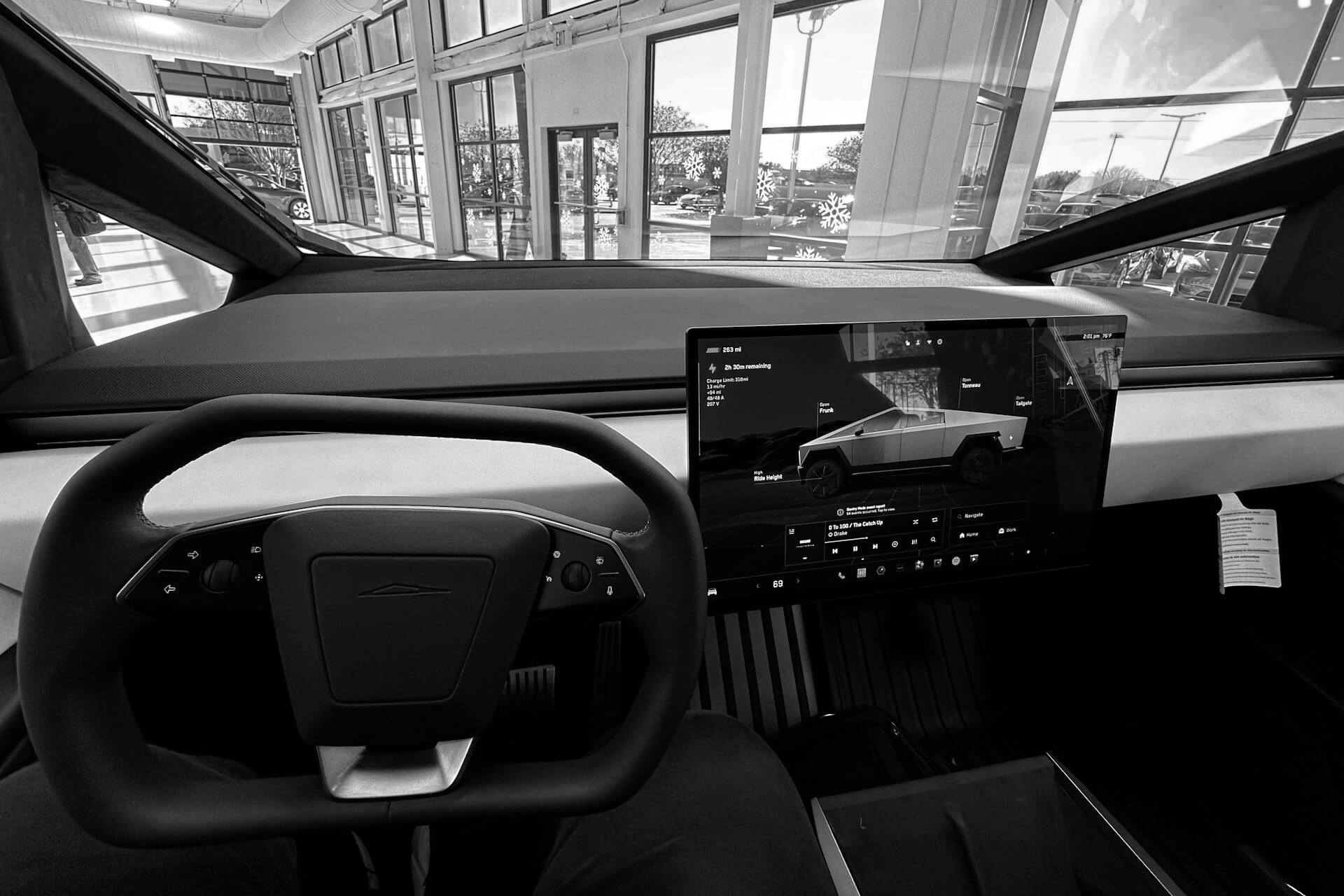
    A smart cockpit is a fully integrated digital environment that acts as your vehicle’s central nervous system. It merges various hardware components — sensors, cameras and displays — with intelligent software that controls your car’s navigation, entertainment, safety and performance systems. 

    This vehicular evolution signifies a shift from traditional buttons to a dynamic, adaptive interface that learns and anticipates your driving needs. With real-time capabilities, smart cockpits enhance user interaction, providing a more intuitive driving experience that prioritizes convenience and safety, reflecting the future of automotive technology.

    5 Ways the Smart Cockpit Is Redefining Driving

    The innovative technology encompassing the smart cockpit is transforming your driving experience into a safe, pleasurable and personalized one. These five key ways are revolutionizing the way you’ll soon drive:

    1. The Rise of the AI Co-Pilot

    AI assistants are essentially conversational partners, proactively providing suggestions and managing complex driving tasks to integrate seamlessly with your digital travel life. These intelligent systems learn from individual driver preferences, offering personalized shortcuts, media choices and optimized navigation routes. 

    For example, an AI co-pilot might suggest your fastest route based on past travel times or bring up your favorite playlist as you set out on a journey. AI co-pilots process voice commands and evaluate driver behavior to create a seamless in-cabin experience. Drastic reduction in the human errors responsible for over 90% of global traffic accidents makes every drive safer, more efficient and enjoyable.

    2. From Screens to Augmented Reality

    The car’s visual interface is evolving from traditional screens to immersive augmented reality. Currently, large, high-definition displays dominate the dashboard, providing crucial navigation and entertainment information. However, the next frontier will project this information directly into your field of view. 

    This groundbreaking development features holographic displays that project alerts and navigation prompts in a way that seamlessly integrates them with the real world, minimizing distractions. Hyundai has announced a holographic windshield display for its Mobis model, pairing contextual intelligence with advanced optics and a holographic car window tint to boost design appeal and clarity.  These holograms feature navigation arrows that float on the road ahead, enabling drivers to focus on the road.

    3. Deep Personalization for Every User

    Smart cockpits tailor individualized ecosystems to each user’s preferences, from seat adjustments and app layouts to climate settings and even specific Advanced Driver Assistance Systems (ADAS) configurations. Biometric sensors, such as facial recognition, voice and fingerprint scanners, can identify you and load your profile upon entering the vehicle. 

    This level of personalization ensures every trip fits with your preferences. Generative AI plays a considerable role in developing these adaptive user interfaces, enabling car manufacturers to create a personalized and attentive driving experience tailored to your needs. However, this personal experience comes at a price. Modern vehicles can include over 1,400 semiconductors and thousands of other parts, meaning you’ll pay more in repair costs if something goes wrong, clearly in the price of progress.

    4. A Car That Improves Over Time

    Connectivity in modern vehicles is paramount for them to remain online and receive over-the-air (OTA) updates. This OTA capability means that the features, performance metrics and security protocols of smart cockpits, akin to a smartphone, can continue evolving long after your car leaves the factory. 

    Consequently, owners can benefit from the latest improvements without needing to visit a dealership. The cloud now enhances your car’s software and unlocks new hardware features as they become available, ensuring your vehicle remains updated with the fastest technological advancements.

    5. Proactive Safety and Awareness

    Your smart cockpit serves as the central hub for all safety-related information, featuring sensors and cameras that monitor your vehicle’s surroundings and your own driving state. This technology features advanced driver-monitoring systems that detect signs of fatigue or distraction, providing timely alerts on the cockpit’s main screen. 

    Doing so enhances your overall safety, allowing for quick engagement when it matters most. By ensuring that drivers remain focused and alert, smart cockpits set a new standard for vehicular safety and awareness.

    Navigating the Future With Smart Cockpits

    Smart cockpits represent a fundamental shift in how you interact with your car. These continually developing systems promise a more efficient driving experience that is safer and more enjoyable. Buckle your seatbelts — these cockpits promise an exciting ride.