
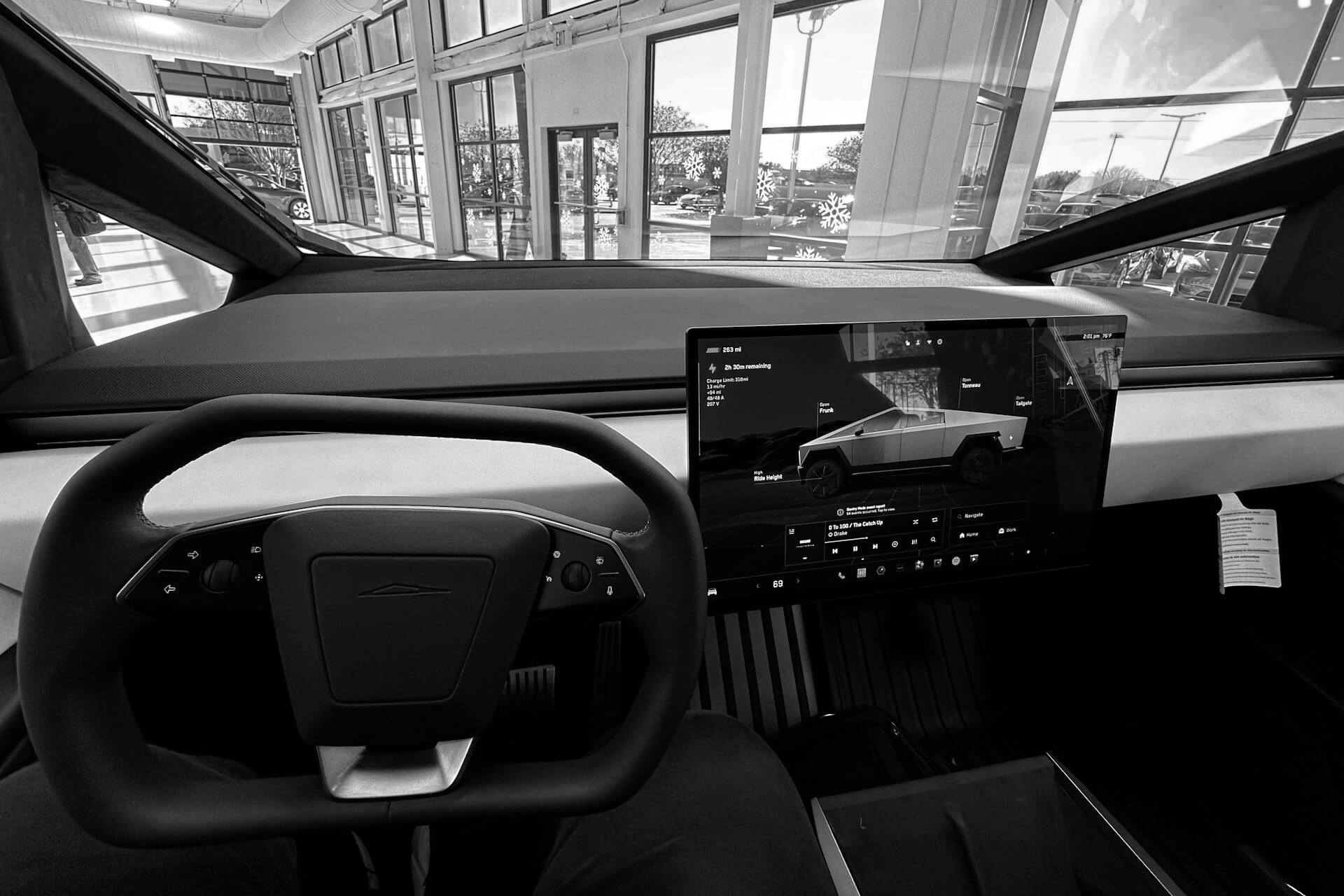
Cars used to be all about engines, gears and hardware. Today’s models run on something entirely different — code. A software-defined vehicle (SDV) operates more like a rolling computer than a traditional car. Features, functions and even performance are shaped by code rather than fixed hardware, which means your car can evolve long after you buy it.
From Horsepower to High-Tech
Many automakers describe SDVs as “smartphones on wheels,” and it fits. In these vehicles, code controls far more than infotainment. It manages driver assistance, braking response, battery performance, cabin comfort and the entire digitally-driven experience.
The shift to software-enriched vehicles reflects trends like vehicle-to-everything (V2X) capabilities and advanced driver-assistance systems (ADAS), which impact safety, comfort and experience.
The market has responded positively to changes in automotive technology that prolong automobile life and increase upgradability, with the SDV market share reaching $207.76 billion in 2024 and expected to expand to $2,445.10 billion by 2033. Today, buyers are looking for centralized computing, cloud- and edge-based technology and real-time connectivity, breaking from the old model of isolated mechanical systems.
Manufacturer results include platforms that can gain new abilities without new hardware. Enhancements arrive wirelessly, eliminating the need to trade in your car for new features.
Core Components of a Software-Defined Vehicle
Behind the scenes, several technologies work together to make SDVs possible.
Centralized Computing
Older cars, SUVs and trucks rely on dozens of small electronic control units scattered throughout the car. SDVs consolidate these systems into a high-powered central computer. This design makes the whole system easier to update and reduces conflicts between individual modules. It also supports more complex features, such as real-time driver monitoring or advanced routing.
Over–the-Air Updates
Over-the-air (OTA) updates let your car receive new features, bug fixes and performance updates without stepping into a dealership. Just as your phone refreshes its operating system, your vehicle can download improvements overnight. Automakers use OTA updates to refine systems with millions of coded control functions, unlock paid enhancements and improve energy efficiency.
Constant Connectivity
Cloud connectivity enables an SDV to share data, access digital services and monitor critical components. Real-time diagnostics help detect issues early, while personalized settings can sync from your mobile device. This constant connection also supports more dynamic navigation and better integration with smart home or charging networks.
What Can Software-Defined Vehicles Actually Do?

Code shapes nearly every part of the driving experience. You’ll see its impact in various features, including:
- Driver assistance and automation: Systems such as lane keeping, adaptive cruise control, ADAS, V2X, and automated parking rely heavily on software to analyze sensor data.
- Personalization: SDVs let you customize cabin settings, entertainment profiles and even driving dynamics.
- Feature flexibility: Some models allow add-ons through subscriptions or one-time purchases.
Most importantly, software-defined vehicles form the foundation for autonomous driving. As automation levels increase, code becomes the main factor determining what a driving system can see, interpret and control.
The levels of driving automation explain what experience you can expect from an SDV. Most software-enabled cars already operate at level 1 or 2, meaning they have some automated features. Full automation remains rare, and many experts question whether level 5 will be possible, but technology will ultimately determine that future.
The Roadblocks and Challenges Ahead
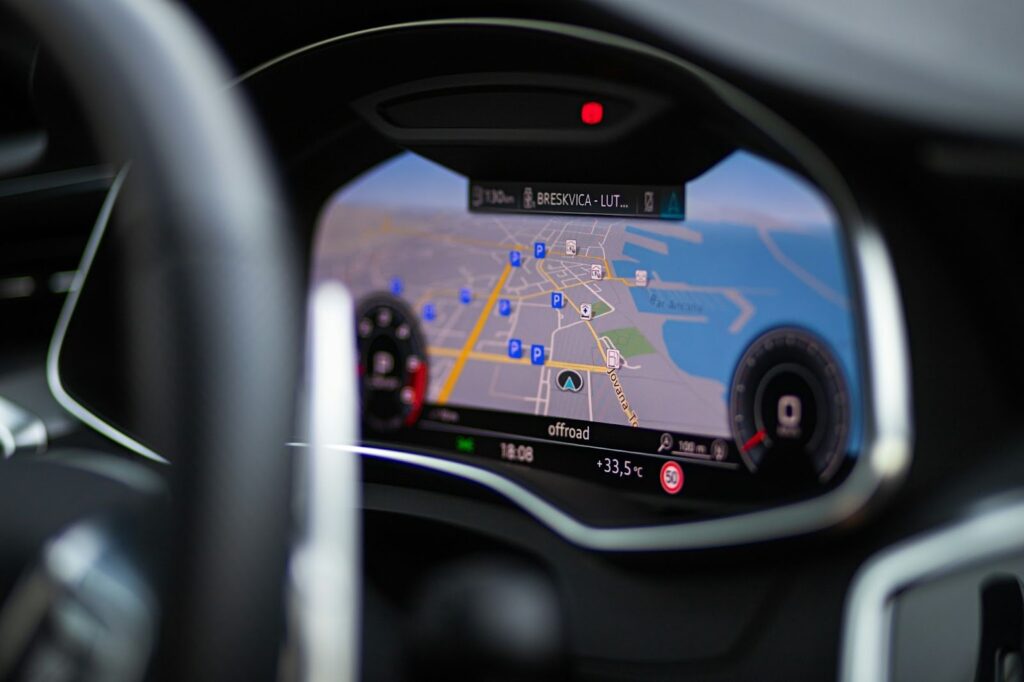
The shift toward SDVs presents significant challenges for manufacturers and drivers.
Cybersecurity Questions
Highly connected automobiles must navigate more than potholes, with cybersecurity risks being foremost. Hackers could target a vehicle’s network, attempting to access critical systems or personal data. Automakers now invest heavily in encryption, intrusion detection and secure update processes to protect the system layers.
New Production Methods
Building an SDV requires rethinking the entire development process. Instead of designing isolated hardware components, companies need integrated teams of automotive engineers and software developers. A Deloitte study notes that this challenge is one of the biggest hurdles for legacy automakers transitioning into technology-centric companies.
Cost of Innovation
Developing the software and cloud systems that power SDVs is expensive. Ongoing updates require long-term support. These costs often trickle down to buyers through higher sales prices and optional subscription features.
What This Means for Your Next Car
Code now influences how a vehicle drives, learns and improves over time. For buyers, this means test-driving the digital experience is just as important as evaluating handling and comfort. Drivers now look for seamless connectivity, customizable dashboards and long-term update support. As SDVs evolve, the value of a car will depend less on the engine and more on how well the software integrates into daily life.
The shift is clear — digital systems are becoming the true engine behind automotive design.