
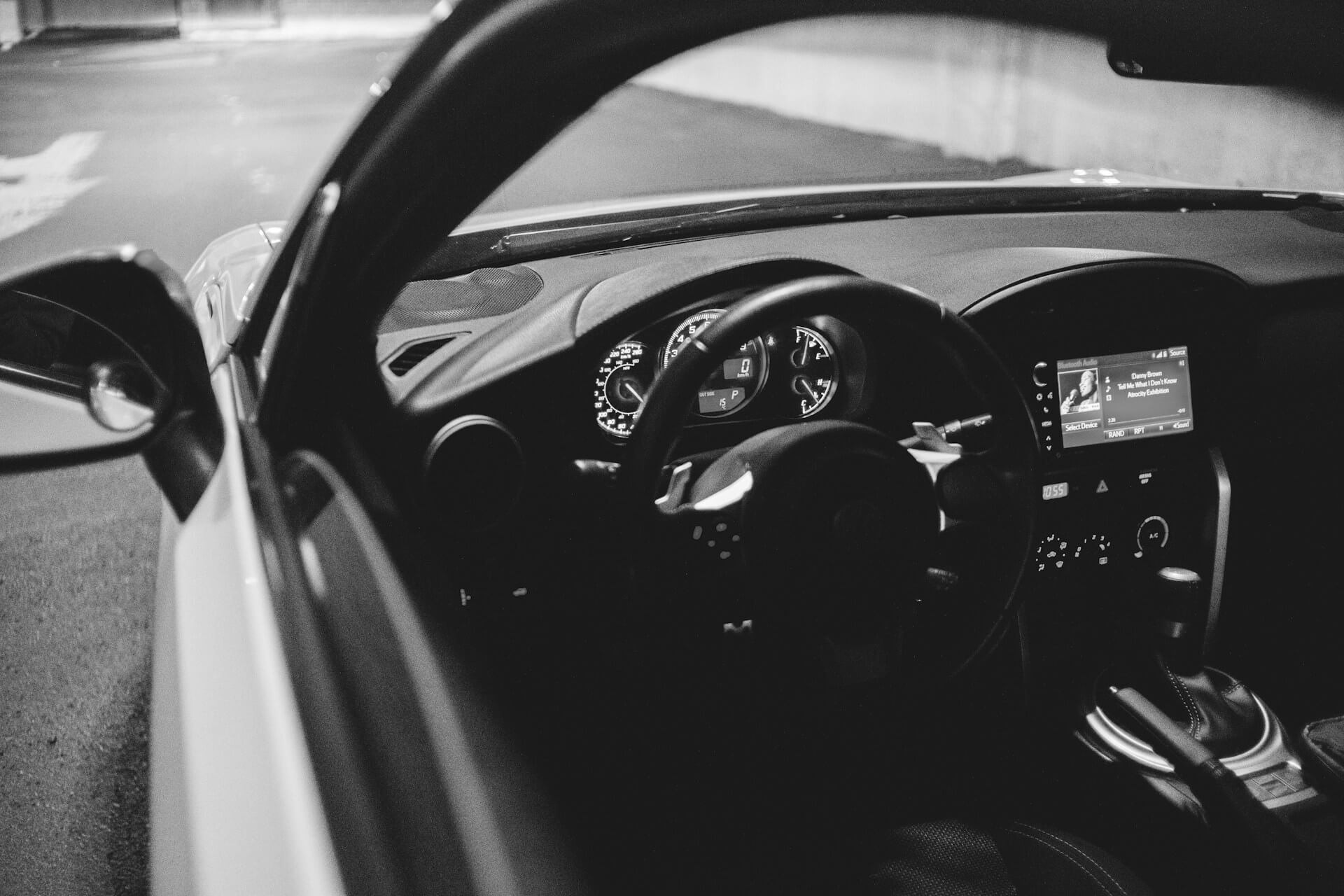
Autonomous vehicles depend on more than sharp cameras or precise radar. They rely on sensor fusion, the process of combining multiple data sources into a single, clear and reliable picture of the world. By allowing machines to “see,” “hear,” and interpret their surroundings with layered accuracy, sensor fusion helps self-driving systems react safely in real time. Understanding how it works reveals why it’s the backbone of nearly every modern autonomous platform.
What Sensor Fusion Actually Means
Sensor fusion is the process of combining data from multiple sensors, enabling an autonomous vehicle to understand its surroundings with greater clarity than any single input could provide alone. Instead of relying on a single source, such as a camera that struggles in low light or radar that can miss small details, sensor fusion layers information to build a more reliable, holistic view.
In practice, this happens through algorithms that compare, filter and merge data in real time. Some systems use low-level fusion, combining raw data before interpretation, while others use high-level fusion, blending already-processed insights. The result is a more accurate representation of objects, road conditions, movement and potential hazards around the vehicle.
The Core Sensors Behind Autonomous Driving
Autonomous vehicles rely on a combination of sensors, each with its own strengths and limitations. LiDAR maps the world using laser pulses, providing precise 3D depth perception that enables vehicles to accurately gauge distance and shape. Radar excels at tracking movement and speed, especially in poor weather where other sensors may struggle. Cameras provide rich visual detail, making them ideal for interpreting road signs, lane markings and colors like brake lights or traffic signals.
Ultrasonic sensors are well-suited for short-range tasks, such as parking or detecting obstacles at low speeds. GPS and IMU systems provide positioning and movement data, enabling the vehicle to understand its location and its movement in space. Sensor fusion combines these individual strengths into a stable and dependable understanding of the environment, which is essential for safe navigation.
How Sensor Fusion Works Step-by-Step
Sensor fusion operates as a pipeline that continuously ingests, organizes and interprets information. First, each sensor collects raw data, including camera frames, LiDAR point clouds, radar echoes and more. This information is preprocessed to filter noise and standardize formats, allowing different data types to be aligned. The system then performs synchronization, matching timestamps to ensure all sensor inputs reflect the same moment in time.
Next comes data association, where algorithms identify which readings refer to the same object, such as determining that a radar reflection and a LiDAR cluster both represent an approaching cyclist. After that, the fusion model extracts features, like speed, size, distance, direction and merges them to form one unified prediction. The final step is decision-making, where the vehicle’s AI uses the fused data to steer, brake, accelerate or avoid obstacles.
A common example is when a pedestrian steps into the road at dusk. Radar detects motion, LiDAR confirms distance and cameras identify the human shape. Fusion ensures the vehicle reacts quickly and accurately.
Why Fusion Beats Relying on a Single Sensor
No single sensor can handle every driving condition, which is why sensor fusion delivers such a significant safety advantage. Cameras struggle in fog and glare, radar can miss fine detail and LiDAR may return noisy data in heavy rain.
By blending inputs, fusion adds redundancy. If one sensor falters, others fill the gap. It also improves object tracking, since combined data gives a clearer picture of movement, shape and speed. The result is smoother navigation, fewer false alarms and more reliable decision-making, especially in unpredictable environments such as urban traffic.
Challenges, Limitations and Real-World Constraints
Despite its strengths, sensor fusion isn’t flawless. Processing large amounts of data from multiple sensors requires powerful hardware, which can lead to increased costs and energy consumption. For example, the Tesla Semi, which relies on advanced sensor systems, has a steep asking price of around $250,000 per truck.
Environmental noise, like reflections, weather interference or sensor drift, can complicate interpretation. Systems must also manage latency. Even slight delays affect reaction time. Additionally, keeping sensors calibrated and aligned is crucial, especially in vehicles exposed to bumps, vibrations or harsh conditions.
Best Practices in Sensor Fusion for Safer AVs
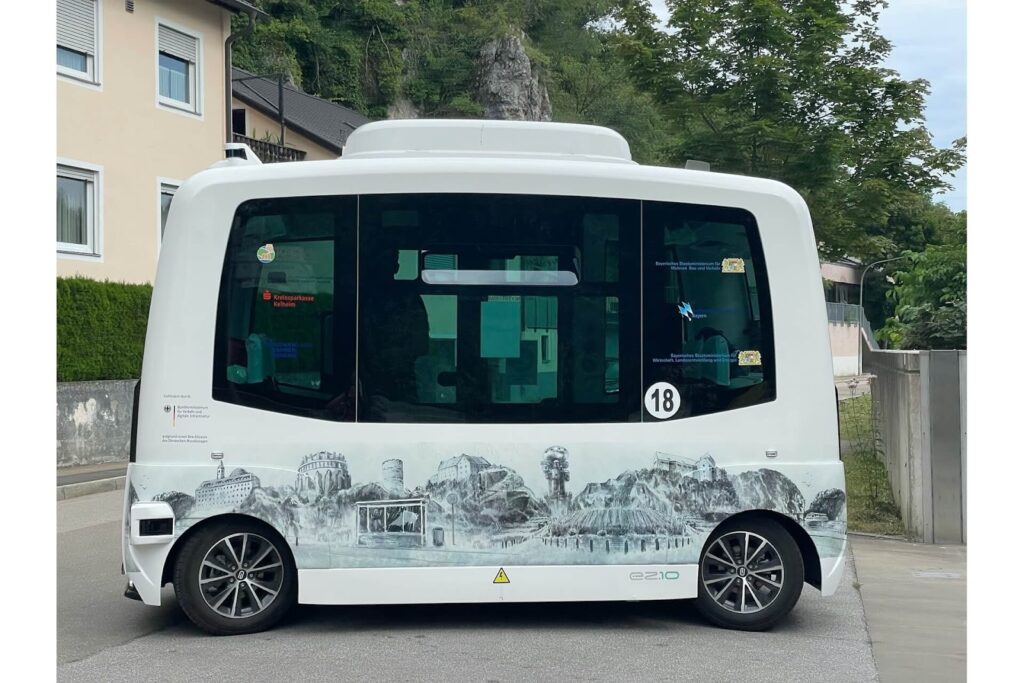
Effective sensor fusion best practices begin with consistent calibration, ensuring that every sensor captures accurate and aligned data. Redundant sensing reduces blind spots, while high-quality training datasets improve model performance. Continuous software updates also keep algorithms responsive to new road scenarios.
A Fusion of Good Sense
Sensor fusion is the quiet powerhouse behind autonomous driving, giving vehicles the layered perception they need to stay safe and confident on the road. As sensors evolve and algorithms sharpen, fusion will continue shaping the path toward truly dependable self-driving tech.