
Augmented reality (AR) in automobiles may sound futuristic, but the technology’s conception predates the birth of the oldest millennials. After graduating from military use, heads-up displays (HUDs) and other AR precursors found themselves in civilian vehicles decades ago. The 21st century saw many car manufacturers begin exploring the tech’s use cases, leading to innovations, such as BMW’s digital showrooms and Land Rover’s transparent hood.
Although only some automobile models have an augmented reality dashboard, the automotive industry has been busy embracing immersive technology for various applications. Discover how carmakers have integrated AR dashboards into their operations so far and the future uses in the pipeline.
Augmented Reality Dashboard — What’s Currently Possible
Most AR-driven auto tech in action happens behind the scenes, but more motorists are getting a taste of it. Here are eight prominent ways industry players have adopted augmented reality.
- Prototyping
Auto designers and engineers these days build and overlay full-scale virtual car models on shared, realistic environments. This capability reduces the need for expensive, physical prototypes and enables professionals to modify designs and create iterations more easily.
- Worker Training
Mixed-reality glasses help new hires at car production plants better understand the complex anatomy of automobiles. Ford teaches new workers in its Michigan production facilities about wiring using Microsoft HoloLens 2 devices, guiding trainees with holographic manuals hovering in mid-air.
- Assembly Line Optimization
Augmented reality dashboards help assembly line technicians and engineers assemble dozens of parts correctly and in the correct order. AR software developers break down detailed guides with corresponding technical drawings and put the information onto smart glasses. The result — the instructions are always glanceable in the wearer’s field of view.
- Quality Control
AR-powered employee training sessions and assembly line workflows reduce human errors. Projected AR technology can identify mistakes and provide immediate feedback, signaling technicians and operators to stop and correct the issue before proceeding to the next steps.
- Navigation
Car models with AR-driven HUDs project turn-by-turn directions directly onto the road, using a wider area of the windshield for a more immersive experience. They anchor digital information to real-world objects, keeping overlays in place even if you take a sudden, sharp turn or hit a bump.
- Hazard Detection
HUDs with AR functionality raise driver awareness of road hazards by highlighting them when they appear. The technology can display safety warnings in real time, helping you notice other road users and potholes early to buy you enough time to react to them accordingly.
- Maneuvering
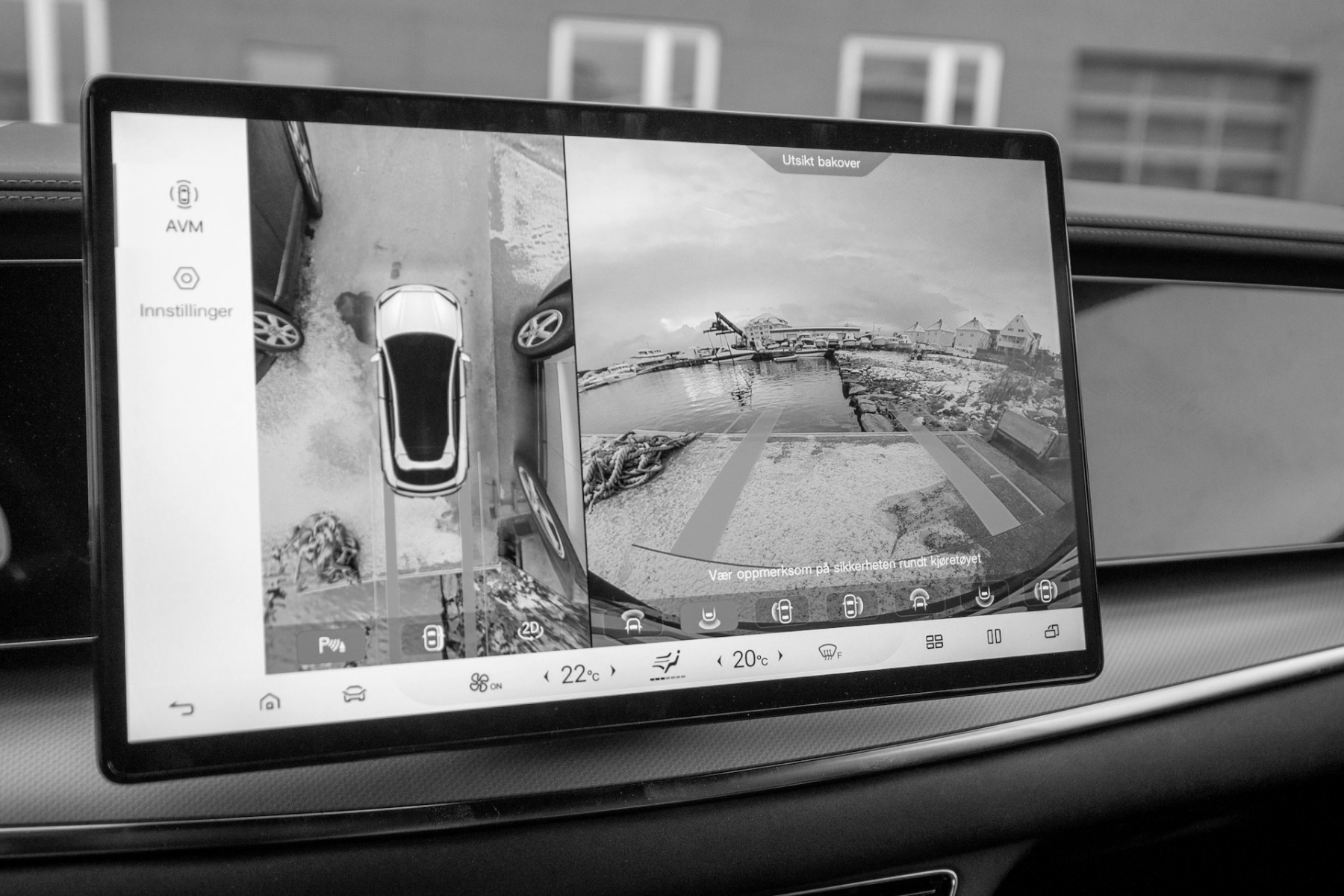
AR dashboards contextualize and overlay critical information to help you spot traffic signs, stay in your lane, merge into traffic and perform complex maneuvers. As a parking companion, augmented reality can assist you when backing up your vehicle in tight spots more easily — a beneficial feature when driving in cities like San Francisco, with its small, hilly streets, or Washington, D.C., with its confusing roads.
- Basic Maintenance
Augmented reality systems demystify diagnostics with warning light explanations, turn owner’s manuals interactive and provide step-by-step instructions for basic car maintenance tasks. They can connect you to a remote expert who can assist in troubleshooting and provide audio annotations using live data pulled from sensors and car systems.
Futuristic Augmented Reality Dashboard Capabilities to Expect
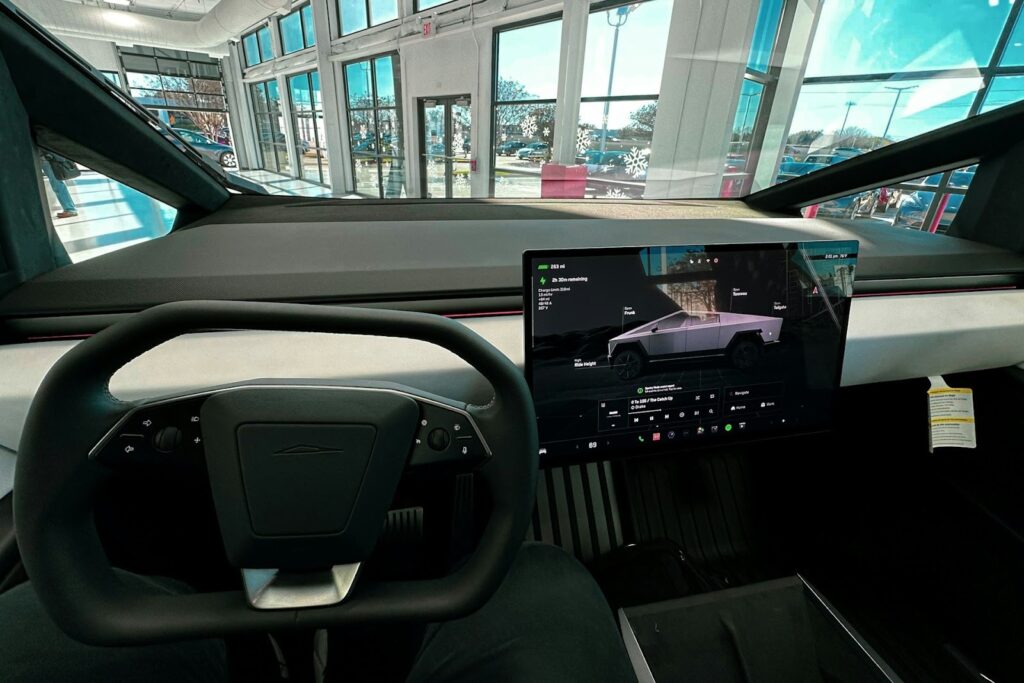
The functionality and automotive use cases of an augmented reality dashboard should expand as other emerging technologies mature.
The advent of connected cars will flood AR systems with more data and let them stream richer real-time information about traffic, hazards and more. HUDs will be the artificial intelligence predictive analytics software’s projector, displaying forecasted road conditions.
Future AR dashboards can overlay more contextual information about landmarks and other points of interest as you pass them by. Interactive controls will enhance infotainment experiences for all passengers, making them more immersive. Holographic windshields can display panoramic content that appears different to every viewer inside the car without distracting the driver.
Tomorrow’s Augmented Reality Dashboards Are Here
AR capabilities in cars seem futuristic because you can mostly find them in luxury vehicles. Eventually, they’ll be ready for prime time sooner or later. Once they go mainstream, the public will realize that a new age in motoring has arrived.