Category: Uncategorized

  • The 2025 Vibe Shift: Why This Wasn’t the EV Year We Expected (And Why It’s Even Better)

    The 2025 Vibe Shift: Why This Wasn’t the EV Year We Expected (And Why It’s Even Better)

    As we’re closing out 2025, I’ve been looking back at the car market, and I’ve got to say, this year did not play out how the “gurus” predicted. If you’d asked me in 2023, I would have told you 2025 was going to be the year of total, all-out EV domination.

    Instead, what we got was something far more interesting: the “Great Reality Check.”

    This was the year the EV hype-train met the hard realities of charging infrastructure, buyer budgets, and basic practicality. And honestly? It has made the entire automotive landscape better and more diverse. Here at Modded, we’re all about the future of mobility, but we’re also realists who like to get our hands dirty. This year, the industry finally caught up to that mindset.


    The Hybrid Strikes Back

    First, let’s talk about the hybrid. For a while, they were treated as a “compromise” technology, a stop-gap that enthusiasts and tech-heads were supposed to look down on.

    Well, 2025 was the year the hybrid struck back, and it was led by, of all things, the 2025 Toyota Camry.

    I know, I know—a Camry. But hear me out. Toyota made the bold move to make it a hybrid-only lineup. While other brands were sinking billions into EV platforms that still cost too much, Toyota doubled down on a proven, efficient, and—most importantly—affordable system. The payoff? A car that gets over 50 MPG, looks sharp, and costs what a normal family can actually afford. This wasn’t a retreat from an electric future; it was a brilliant strategic move that met the market where it actually is, not where Silicon Valley wishes it was. It’s the sustainable choice for the millions of people who don’t have a Level 2 charger in their garage.


    The “Soul” Injection

    But 2025 wasn’t just about practicality. It was also the year EVs finally found their soul. For me, the car that proved this wasn’t some six-figure luxury barge; it was the Hyundai Ioniq 5 N.

    I’ve driven a lot of EVs that are fast in a straight line. They’re impressive, but they’re sterile. They feel like appliances. The Ioniq 5 N is the absolute opposite. It’s the first EV I’ve driven that feels wonderfully unhinged. With 641 horsepower (with boost), simulated gear shifts (the “N e-shift“) that kick you in the back, and a sound profile that’s part-WRC car, part-TIE Fighter, it’s a performance car first and an EV second. Hyundai’s engineers clearly asked, “How can we make this fun?” They nailed it. It’s a $66,000 hatchback that can embarrass supercars while putting the biggest, dumbest grin on your face. This is the car that proves the enthusiast’s future is secure.


    The Electric Muscle Car Finally Arrives

    And look, I have to talk about the big one: the Dodge Charger Daytona EV. This was the car I was most skeptical about. A muscle car isn’t just about 0-60 times; it’s about noise, vibration, and attitude. How could an EV possibly replicate that?

    Well, I’ve seen them on the road, and I’ve heard them. That “Fratzonic Chambered Exhaust” is no joke—it’s loud, it’s weird, and it absolutely works. It gives the car a presence that other EVs lack. With the 670-horsepower Scat Pack model hitting 60 mph in 3.3 seconds and that wild “R-Wing” on the front for downforce, Dodge didn’t just build an electric Charger. They built a new kind of muscle car. It’s the most “Modded” EV on the planet, hands down. It respects the past but isn’t afraid to use technology to be absurdly, unapologetically aggressive.


    The Revolution We Were Actually Waiting For

    But as much as I love the unhinged Ioniq 5 N and the revolutionary Charger, they aren’t the most important car of 2025.

    That title, in my book, goes to the Chevy Equinox EV, and it’s for one simple reason: it finally delivered on the original promise of the EV transition—affordability for the masses. We’ve been covering this for years, and the biggest barrier to EV adoption has always, always been price. The Equinox EV, finally shipping in volume, starts at a $33,600 MSRP and delivers an EPA-estimated 319 miles of range.

    This is the game-changer. This is the car that lets a normal family make the switch without destroying their budget.

    It also dovetails with the real tech win of 2025: the standardization of the NACS (Tesla) charging port. With almost every manufacturer adopting the plug for 2025 or 2026 models, the “range anxiety” problem is finally being solved from the infrastructure side. For us in the outdoor and gear space, this is massive. It means one plug, one network, and the freedom to actually go places.

    So yeah, 2025 stands out. It was the “Year of the Realist.” We got practical hybrids, EVs with genuine soul, and, finally, an affordable option for everyone. The future isn’t one-size-fits-all; it’s fragmented, diverse, and a hell of a lot more exciting.

    See you on the road.

  • What Is It Going to Be Like to Live in Toyota’s Woven City?

    What Is It Going to Be Like to Live in Toyota’s Woven City?

    The future of cities is one of the most exciting and critical challenges facing us today, with innovations such as smart homes and autonomous cars already underway. However, what if these technologies aren’t separate, but integrated into a single city built from scratch? 

    That’s what’s happening in Toyota’s Woven City. Located at the base of Mt. Fuji, it serves as a real-world test course and urban environment for developing and testing future mobility technologies. What would it be like to live in such a futuristic city?

    A “Living Laboratory” for the Future

    Photo of a city at night

    Residents and visitors of the Woven City can collaborate and experience new ways of living and moving within its boundaries. It has areas for everything from autonomous vehicles to smart homes and robotics.

    The Woven City is not a fantasy, but a research and development initiative. Toyota unveiled its plans to build a prototype city on a 175-acre site in Japan at the 2020 Consumer Electronics Show. It set the stage for the automotive titan’s ambitious goals — to create a place where researchers, engineers and scientists can develop technologies in a real-world environment.  

    Akio Toyoda, President of Toyota Motor Corporation, stated that the city welcomes all those who wish to improve the way people live in the future. 

    A Glimpse Into Daily Life in Toyota’s Woven City

    Here’s what the day-to-day life of the city’s future residents may look like based on the initiative’s focus and setup. 

    A Connected, Sustainable Sanctuary

    Homes in the city blend tradition and technology. Developers typically build most residential spaces with wood and employ traditional Japanese joining techniques for construction. Robots help humans have more time by taking care of everyday tasks, such as taking out the trash and performing other chores. 

    Homes may also have AI-powered sensors. These devices track the residents’ health and well-being and automatically adjust home systems based on their findings. 

    A “Woven” Grid Designed for People and Mobility

    Toyota’s Woven City also has a unique street grid as its core organization structure. It’s designed by Bjarke Ingels Group (BIG) and includes three types of streets: 

    • Primary streets for high-speed traffic: These are reserved exclusively for autonomous, zero-emission vehicles, including those used for transportation and deliveries.
    • Shared streets for personal mobility: These mixed-use streets are for lower-speed transportation like scooters, bicycles and other personal mobility devices. Pedestrians can also use them. 
    • Linear park or promenade streets: Only pedestrians can use these streets, which are filled with greenery and designed for leisure, social interaction and connecting with nature. 

    The city will also have a network of underground streets for logistics. These will separate waste disposal and automated deliveries from the pedestrians and automated vehicles on the surface. 

    The Technology Powering the City

    The Woven City is Toyota’s answer to the massive shifts in its sector. The automotive industry has undergone the most significant developments over the past century, from electric and autonomous cars to advancements in AI, connectivity and sustainability. The company applied many of them in the city. 

    Solar panels on rooftops and green hydrogen fuel cells power the Woven City, making it a fully sustainable community. The city also has a a virtual replica created from real-world data. This gives inventors, researchers and other parties a simulation platform to model scenarios, test technologies and optimize systems before actual implementation. 

    The Future Is Starting: Phase 1 Complete

    Toyota completed the first phase of construction in October 2024, which includes a test course for mobility, where many of the initial trials will take place. The company is preparing to launch some of these trials, and some operations set to begin the following year. 

    In late September 2025, the Woven City opened its first section. Around 300 people will live on-site during the first phase, including Toyota employees and their families. The population may increase to about 2,000 as the project develops. 

    The Beginnings of a Blueprint for the Future

    Toyota’s Woven City is more than just a tech showcase. It’s a human-centric experiment that has the potential to redefine the future. With its setup, the world can proactively design a better way of living, rather than just reacting to change. The project’s impact will also extend beyond the automotive industry. It’s a tangible, working model of a future that is actively being built today. 

  • These Are the 7 Best Car Accessories Every Driver Should Own

    These Are the 7 Best Car Accessories Every Driver Should Own

    Your vehicle deserves to look and function its best. While many focus on cosmetic upgrades, there’s beauty in choosing accessories that boost your car’s functionality, safety and longevity.

    The items that merit your investment must improve the long-term return on your asset. Discover the seven best car accessories every modern driver must own.

    1. Portable Lithium-Ion Jump Starter

    While old-fashioned jumper cables are still used today, they aren’t that compatible with the electronics in modern vehicles due to voltage surges. Meanwhile, a portable lithium-ion jump starter can do this work without the need for another car and jumper cables. It’s much smaller than traditional ones and often includes features like USB ports for charging electronics, a built-in flashlight and safety protections like short-circuit and reverse polarity protection.

    Ensure that you obtain your item from a reputable supplier. Some products sold online were reported to have a high risk of fire due to poor internal construction.

    1. Smart Phone Mount With Wireless Charging

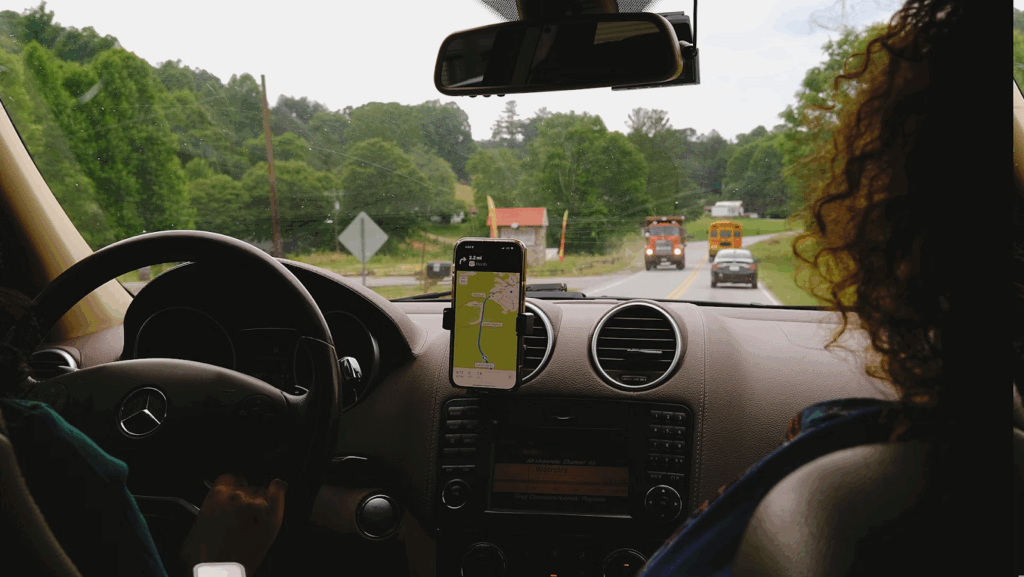
    A mount with wireless charging capabilities is one of the best car accessories for enhanced convenience. It’s a simple way to keep your car cable-free and your phone always with battery. Look for a mount with a strong suction for windshield placement or dashboard, a motion-sensor-powered automatic phone grip and an adjustable foot if you have a large phone.

    1. High-Fidelity Dash Cam

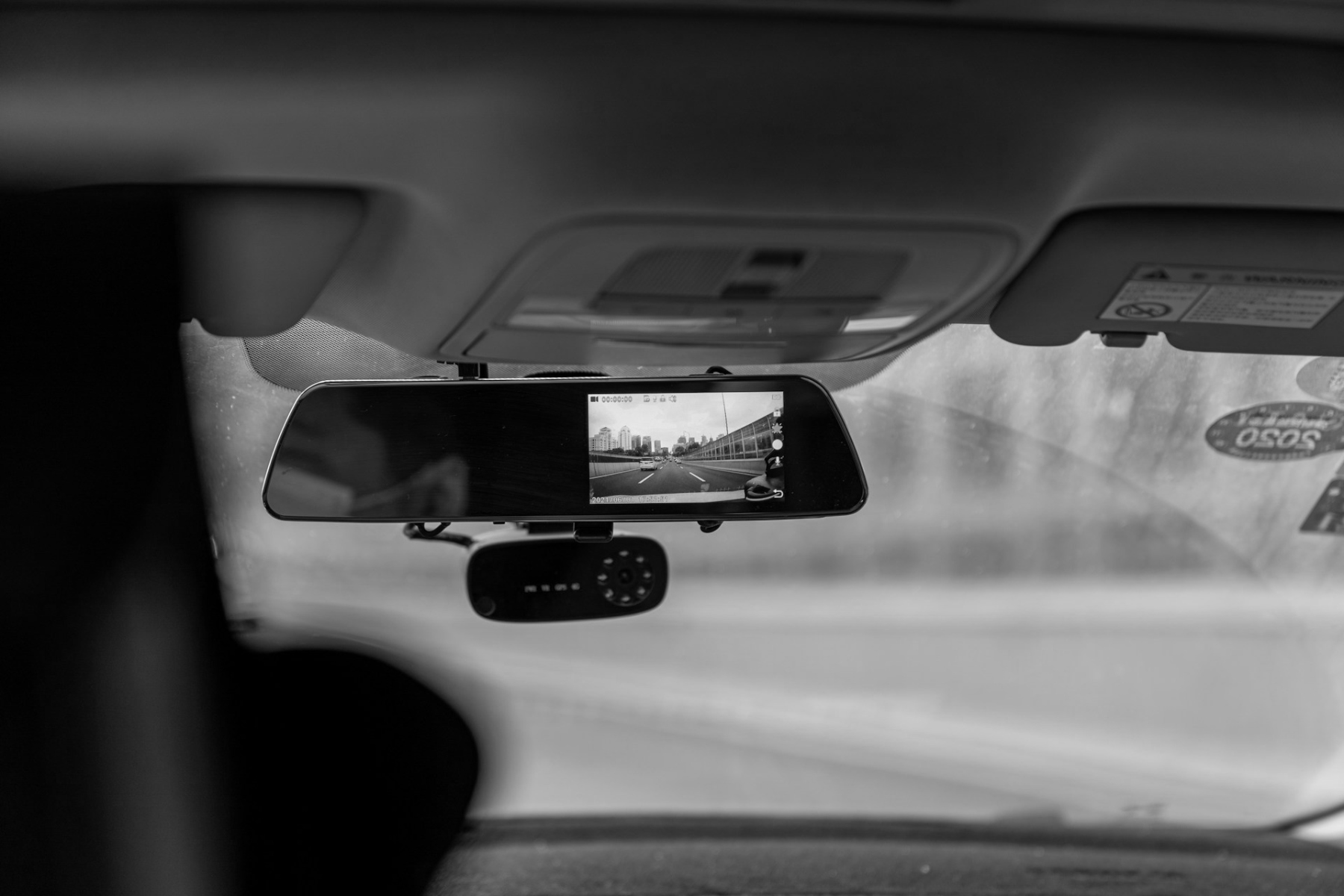
    A dash cam is a valuable tool for enhancing your safety and security. It provides clear evidence in cases involving traffic crashes, parking collisions, road crimes, or other unexpected situations. Opt for a high-fidelity dash cam equipped with advanced features, such as 4K resolution, advanced sensors and upgraded image processing capabilities that can capture details like license plates. Look for additional features like remote live view, voice control support and Wi-Fi connectivity. 

    1. Underglow

    Underglow is an excellent choice for people who enjoy DIY projects. This accessory looks fantastic on lowered cars, and you can choose from a variety of colors depending on your preferences. Aside from its aesthetic benefits, underglows help boost your visibility on the road. Opt for heavy-duty LED strips to ensure they can withstand harsh environmental conditions. Smart pods are also a wise choice, especially when you’re looking for something with multiple lighting modes and smartphone control.

    1. High-Quality All-Weather Floor Mats

    When was the last time you replaced your floor mats? Replacing your existing ones with all-weather options is a smart investment to protect your vehicle’s interior from wear and tear. It can help trap and contain moisture and dirt, which can lead to mold — a type of fungus that can trigger allergic reactions and shortness of breath. 

    The most noteworthy feature of high-quality mats is their precise fit. Brands use laser-scanning technology to map the contours of your car’s floor plan, ensuring complete coverage and preventing the mat from sliding.

    1. Portable Car Vacuum Cleaner

    Whether you deep-clean your car weekly or go on a cross-country road trip frequently, a portable car vacuum cleaner is essential to maintain a healthy indoor environment. It ensures every nook and cranny is free from pesky blades of grass, food crumbs and other indoor pollutants that may trigger rhinitis, asthma and eczema. Choose one that successfully blends performance, price and household versatility. Consider attachment styles and an extendable hose to let you reach tighter areas.

    1. Modular Trunk Organizer

    City dwellers, corporate workers, soccer moms and more will all benefit from an organized trunk. A modular trunk organizer is one of the best car accessories you can buy if you or a family member prefers a highly organized environment. This can save your sanity and money by safeguarding your items. Soft-edge trunk organizers can accommodate more items, while rigid-edge ones are ideal for securing fragile items, such as glass bottles.

    Invest in the Best Car Accessories

    These accessories will enhance your car’s functionality and longevity. Choose ones that can help empower you. Review your options and invest in those that will make your journey more secure, efficient and enjoyable.

  • Tomorrow’s Smart Windshield Will Look a Little Like This

    Tomorrow’s Smart Windshield Will Look a Little Like This

    In-car tech has come a long way from simple infotainment systems and dashboard clusters. Today, drivers can retrofit vehicles with heads-up displays (HUDs), dash-mounted tablets or even AR overlays to enhance navigation and safety. But these upgrades still rely on discrete screens that divide a driver’s attention. The next step in automotive evolution seeks to merge the digital and physical worlds entirely — through a smart windshield. But what will that do?

    From AR-HUD to a True Smart Windshield

    Augmented reality HUDs project helpful overlays — lane markings, speed limits or navigation arrows — onto a small portion of the windshield. Systems like those in the Mercedes-Benz S-Class or BMW IX employ a fixed projection zone that visually aligns virtual graphics with real-world features. Yet, this is still a halfway measure. 

    A true smart windshield will make the entire glass a dynamic, high-resolution interface capable of rendering contextual information anywhere in the driver’s view. Instead of projecting from a box beneath the windshield, the single display would be integrated into the windshield itself, using transparent micro-LED or laser-based projection technology. 

    This shift demands centimeter-level spatial accuracy and low-latency rendering — benchmarks far beyond what most consumer HUDs achieve today.

    Key Features of the Future Smart Windshield

    When it happens, this is likely what it will look like.

    Dynamic Navigation

    Finding your way about will no longer be confined to floating arrows or dashboard maps. The windshield will render turn-by-turn guidance that appears “painted” on the asphalt itself, with lane-level precision derived from real-time sensor fusion. Using LiDAR, camera arrays and GPS correction, the system can identify the optimal path and visually integrate it.

    Proactive Hazard Identification

    If a pedestrian steps off the curb or a cyclist enters the blind spot, the windshield could subtly highlight their presence with color-coded contours or motion cues. Unlike today’s audible or haptic warnings, this visual feedback would be immediate, spatially anchored and non-intrusive. The challenge will be balancing visibility without overwhelming the driver — a problem human-factors engineers are already prototyping solutions for through adaptive display algorithms. 

    Vehicle-to-Everything (V2X) Integration

    Man driving a car with his hand on the wheel

    Smart windshields will also serve as the primary interface for V2X integration, synthesizing data from surrounding vehicles, infrastructure and even road sensors. Imagine driving through an intersection as your windshield indicates that the light ahead will turn red in three seconds — or receiving a subtle visual clue that a car two vehicles ahead is hard-braking.

    By using telemetry from other vehicles, the system may visualize invisible hazards before they appear to the driver. Highway merges, emergency vehicles or black ice zones could be preemptively displayed as glowing icons or color gradients on the road surface. This could create a collaborative driving environment where every vehicle contributes to the collective awareness.

    A Bridge to Autonomous Driving

    Although Level 3 self-driving cars are gradually being granted approval in the U.S., the path toward Level 4 and 5 is difficult, both technically and psychologically. Nevertheless, a future of automated cars isn’t going away — and smart windshields could be key to the next step. At Level 4, the human driver still has the option to manually take control if desired. By displaying what the sensors are “seeing”, the car can identify its intentions to the driver, building trust and ensuring a safe handover if human intervention is required. 

    On-Demand Privacy and Glare Reduction

    Beyond AR visualization, the smart windshield will incorporate adaptive glass technologies. Using electrochromic or suspended-particle devices, the windshield photocells will automatically adjust transparency based on driver preference or lighting conditions. When parked, it might transition to full opacity for privacy or enhanced thermal insulation — a feature already emerging in high-EV concept vehicles.

    Overcoming Hurdles to Implementation

    The most immediate hurdle is information overload — ensuring this interface remains intuitive and does not flood the driver with irrelevant data, undermining safety. Automotive UX designers are experimenting with AI-driven algorithms that prioritize visuals based on driving conditions and driver behavior. 

    Equally demanding is the processing requirement. Rendering spatially accurate AR graphics in real time means handling terabytes of sensor input per minute, requiring specialized GPUS.

    Then there are safety and regulatory challenges. A display integrated into the windshield must still meet optical clarity standards, withstand temperature extremes and avoid introducing distractions. Testing protocols for AR systems in vehicles are still evolving, with ISO and UNECE working toward standardization frameworks that define acceptable guidelines. 

    Bringing the Future Into View

    The smart windshield represents a fundamental shift from a simple piece of glass to an active, integrated safety system. By delivering critical information without causing distraction, the goal is to make driving safer and more intuitive. Significant engineering and regulatory challenges remain, but once those are resolved, the smart windshield is poised to completely redefine the relationship between the driver, the car and the road. 

  • Thoughts on Rivian’s Self-Driving Capabilities: The Good, the Bad and the Confusing

    Thoughts on Rivian’s Self-Driving Capabilities: The Good, the Bad and the Confusing

    Rivian has been reshaping the automotive industry with its adventure-focused electric vehicles. Its R1T has impressive on-road and off-road capabilities, while its R1S is a luxury family SUV with great all-terrain performance.

    While Rivian has yet to roll out a fully self-driving model, it’s paving the way for hands-free driving. Here’s an in-depth look at its EVs’ self-driving capabilities powered by the Rivian Driver+ System. 

    What Is Rivian’s Self-Driving Driver+ System?

    The Rivian Driver+ is a semi-autonomous system that comes standard on the automaker’s vehicles. It’s an SAE Level 2 driver-assistance feature, which means it can simultaneously control speed and steering. However, the driver must be ready to take control at any moment. 

    Despite the “self-driving” claim often associated with this technology, it doesn’t provide a fully automated experience. Instead, it’s more of a “hands-on, eyes-on” assistance suite, which can reduce driver fatigue and make long highway drives safer. 

    Driver+ comes standard with Rivian’s first-generation vehicles, including model years 2022 to 2024. These include the R1T pickup truck, one of the fastest e-trucks on the market, and the R1S SUV, which combines luxury and adventure. Vehicles rolling out from model year 2025 onward will come equipped with an upgraded version called the Rivian Autonomy Platform.

    The Good: Where Driver+ Excels

    Here are the Rivian Driver+ system’s strengths based on real-world tests and reviews: 

    Smooth and Centered Lane Keeping

    Many reviewers praise the Driver+ for its humanlike steering inputs. It doesn’t do the jerky, ping-pong motion between lane lines that affects some less advanced systems. The smoothness helps build driver confidence in the system, making it more pleasant to use for extended periods. 

    Reliable Speed Control

    The system’s adaptive cruise control naturally speeds up and slows down the vehicle based on its surroundings. It’s neither abrupt when braking nor overly aggressive when accelerating. This means the Rivian Driver+ system is effective in handling stop-and-go traffic, which is common in high-traffic areas. 

    Expansive Highway Network

    The Driver+ system relies on a pre-mapped network, which lets it function on most major highways in America and Canada. Rivian integrated Google’s HD map data into its vehicles to enhance the system’s precision, reliability and operational range. The automaker updates the network continuously. 

    The Bad: System Limitations

    Photo through a car window in the winter

    The Driver+’s journey to becoming a Rivian self-driving system is still a work in progress. Here are some of the ways it falls short: 

    No Automatic Lane Changes

    While the Driver+ system can ensure the vehicle stays in its lane, it cannot change lanes on its own. The driver must disengage highway assist, manually switch lanes and then re-engage the system. The system is not as capable as GM’s Super Cruise or Tesla’s Autopilot, which can switch lanes without the driver needing to take over.

    Highway-Only Operation

    The Driver+’s highway assist function is geofenced to certain highways, which means it won’t activate on city streets and rural roads. If the driver’s typical routes don’t include highways, the semi-autonomous system won’t be much use to them. 

    Dependency on Weather and Road Conditions

    The system is sensitive to external conditions. It may disengage, sometimes abruptly, when rain, snow, fog or even direct sun glare obscures its sensors and cameras. Poorly maintained roads with faded lane markings, road patches and skid marks can also cause the system to shut off or keep it from activating. 

    The Confusing: Hardware and Lidar Debate

    Not all aspects of the Driver+ fall into the good and bad categories. Consider the debate about its hardware. Rivian combines cameras, radar and ultrasonic sensors, but doesn’t leverage lidar. 

    Lidar technology uses lasers to create a precise, 3D map of the vehicle’s surroundings and recognize other cars, pedestrians, road boundaries and other obstructions. Many consider it essential for achieving Level 3 autonomy, yet Rivian has yet to integrate it. However, the automaker has yet to dismiss lidar, so it may be part of future models. 

    Is Rivian’s Self-Driving Tech Worth It?

    The Rivian Driver+ is a top-tier Level 2 system. It only works on certain roads, has no auto lane change and has confusing hardware. However, it serves its purpose well, which is to make driving on highways safer and less stressful. It has a way to go to reach “fully self-driving” status, but it’s on the right track. If you’re looking for an EV with a reliable driver-assist system, the Driver+ is one of the best in its class.