Have you ever seen a futuristic concept car that was so out-there you had to do a double-take? I sure have. For car enthusiasts, there’s nothing more exciting than imagining the new frontiers automotives can go. Concept cars aren’t just about predicting the future — they’re also about redefining what’s possible. Here are a few of the concept cars I have a hard time wrapping my head around.
1. Citroen Karin
The Citreon Karin is certainly a car I’d spot on the street. This striking future concept car debuted in the 1980s and is renowned for its distinctive pyramid-like design. It features sharp angles, a flat roof and an exterior of flush glass panels.
The roof of this car is surprisingly small, around the size of an A3 sheet of paper, due to its unique pyramid shape. It also features a four-cylinder engine and is equipped with front-wheel drive and hydropneumatic suspension. It’s definitely a statement, but it loses marks on practicality due to having only one driver’s seat and two seats in the back.
2. Renault Racoon
Ever wanted to own a car that can drive on both water and land? I sure have, and the Renault Racoon might be the closest thing to it. This future concept car, developed in 1992, was designed to be all-terrain with amphibious capabilities. Don’t let the car’s questionable aesthetic fool you — it is equipped with a twin-turbo B6 engine and all-wheel drive.
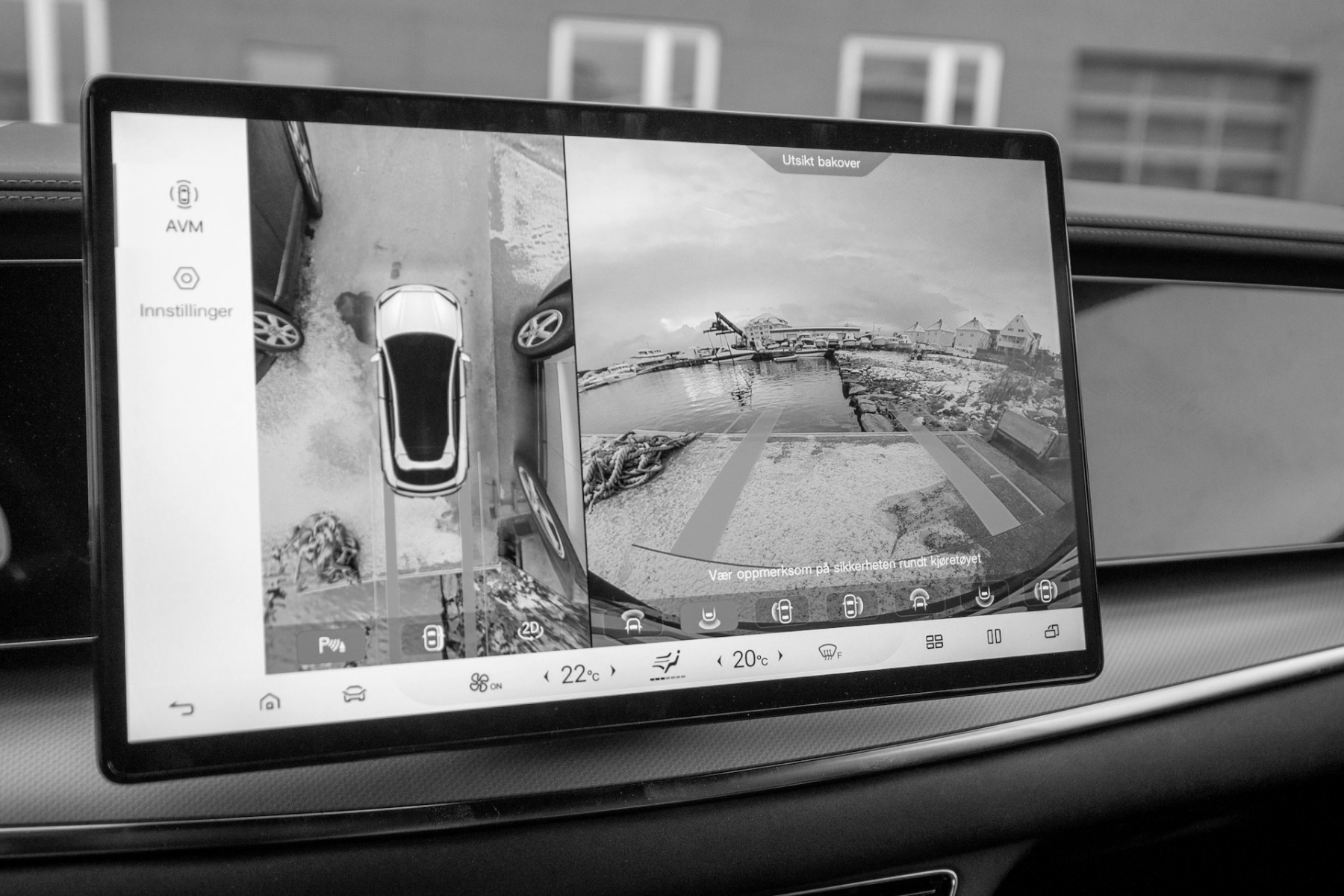
This futuristic concept car was designed to be raised for increased ground clearance, and its body was accessed through a lifted canopy instead of traditional doors. The car was also equipped with cameras instead of mirrors and a satellite navigation system. Backup cameras are now required on all new U.S. vehicles under 10,000 pounds, but at the time, the idea was groundbreaking.
3. Isuzu Nagisa
I’ve added not one, but two amphibious cars on this list. Move over, Renault Racoon, the Isuzu Nagisa is a worthy competitor. This wild future concept car was designed just one year earlier, in 1991, and was first unveiled at the Tokyo Motor Show. Like the Raccoon, it was designed to go both on land and in water, but it’s powered by a 3.2–liter V6 engine.
4. Ford Nucleon
The Ford Nucleon was a concept car designed in the 1957s, envisioning what cars would look like in a nuclear-powered future, and it’s definitely a concept I struggle to grasp. The car was designed to run on a miniature nuclear reactor in the rear, which would generate steam to power turbines.
It was designed with the hope that it would have a 5,000-mile range before needing a replacement uranium capsule, a massive improvement over the 25 miles per gallon that the average car in the U.S. gets today. Sadly, the concept relied on the assumption that nuclear technology could be safely and reliably miniaturized, which proved to be impossible during the 1950s. For this reason, the Ford Nucleon was never produced beyond a ⅜ scale model.
5. BMW GINA
Color-changing cars are, in fact, a reality. In 2022, BMW showcased a novel color paint technology at the Consumer Electronics Show in Las Vegas. A shapeshifting car, though? That’s something I had never imagined — until I discovered the BMW GINA.
The GINA is a shape-shifting future concept car, made from a durable fabric skin that stretches over an internal skeleton of wires and carbon fiber. This clever technology enables the car’s exterior panels and elements to move and adapt, altering the car’s shape to suit various needs.
If that wasn’t enough, the structure the skin is wrapped around can also move. The hood, for instance, can be split down the middle to reveal the impressive V8 engine. The interior can also move — the steering wheel and instrument panel are adjustable, and the headrests can rise automatically whenever the driver gets behind the wheel.
From Head-Scratching to Ground-Breaking Cars
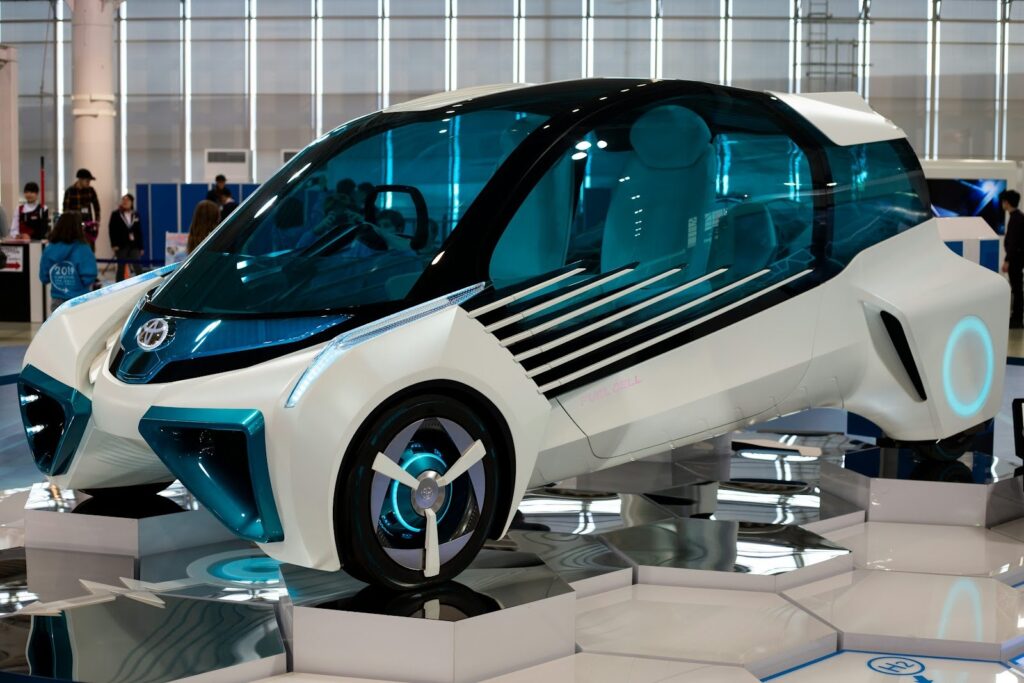
These future concept cars are examples of what happens when automotive designers dare to break conventions. Whether it’s radical changes in the shape of a car and its aerodynamics, or outright bizarre ideas, each of these models challenges the assumption of what a car should be. Ultimately, future concept cars demonstrate that ideas that may seem bizarre at first can become reality when people are willing to push boundaries.