
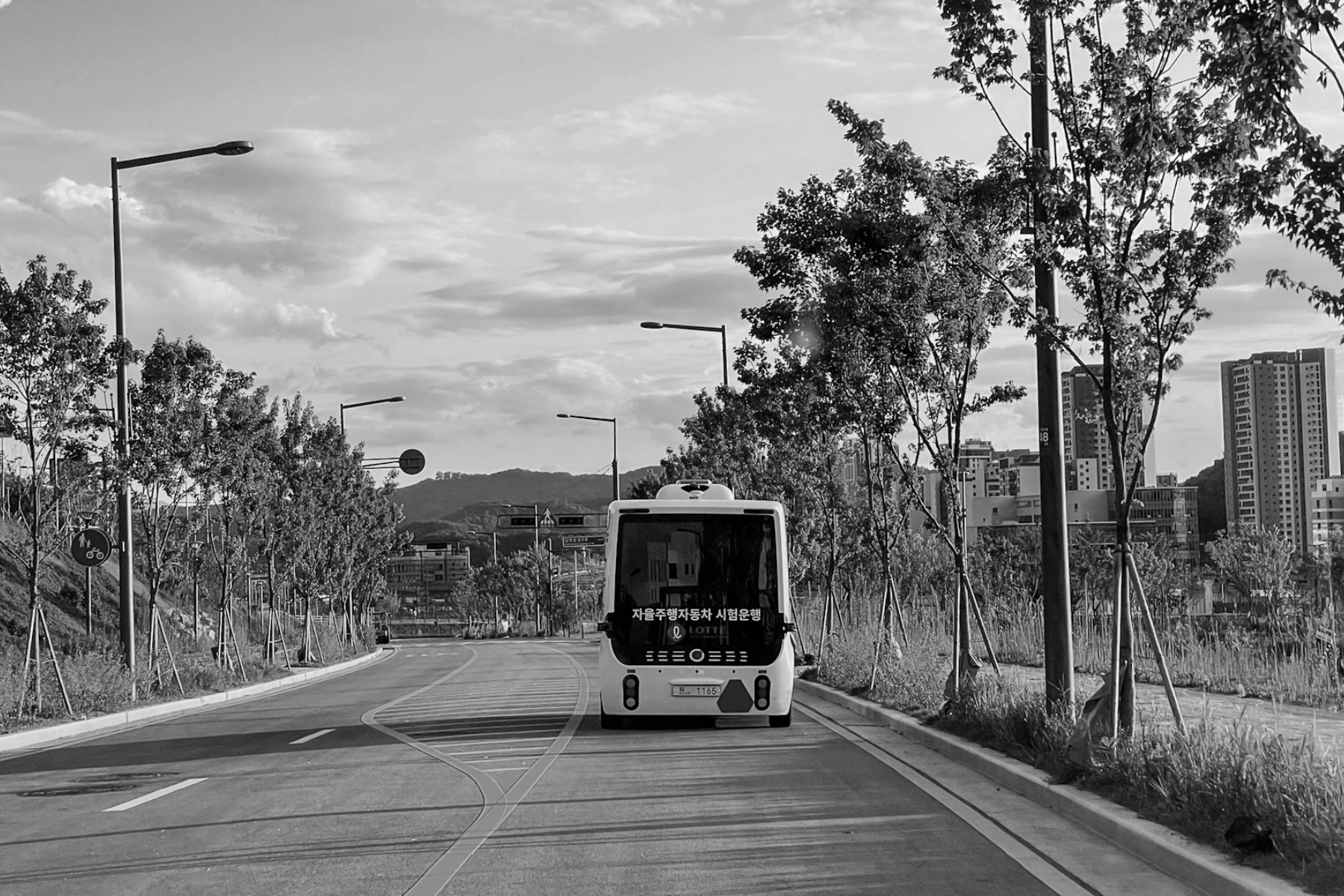
The future of cities is one of the most exciting and critical challenges facing us today, with innovations such as smart homes and autonomous cars already underway. However, what if these technologies aren’t separate, but integrated into a single city built from scratch?
That’s what’s happening in Toyota’s Woven City. Located at the base of Mt. Fuji, it serves as a real-world test course and urban environment for developing and testing future mobility technologies. What would it be like to live in such a futuristic city?
A “Living Laboratory” for the Future

Residents and visitors of the Woven City can collaborate and experience new ways of living and moving within its boundaries. It has areas for everything from autonomous vehicles to smart homes and robotics.
The Woven City is not a fantasy, but a research and development initiative. Toyota unveiled its plans to build a prototype city on a 175-acre site in Japan at the 2020 Consumer Electronics Show. It set the stage for the automotive titan’s ambitious goals — to create a place where researchers, engineers and scientists can develop technologies in a real-world environment.
Akio Toyoda, President of Toyota Motor Corporation, stated that the city welcomes all those who wish to improve the way people live in the future.
A Glimpse Into Daily Life in Toyota’s Woven City
Here’s what the day-to-day life of the city’s future residents may look like based on the initiative’s focus and setup.
A Connected, Sustainable Sanctuary
Homes in the city blend tradition and technology. Developers typically build most residential spaces with wood and employ traditional Japanese joining techniques for construction. Robots help humans have more time by taking care of everyday tasks, such as taking out the trash and performing other chores.
Homes may also have AI-powered sensors. These devices track the residents’ health and well-being and automatically adjust home systems based on their findings.
A “Woven” Grid Designed for People and Mobility
Toyota’s Woven City also has a unique street grid as its core organization structure. It’s designed by Bjarke Ingels Group (BIG) and includes three types of streets:
- Primary streets for high-speed traffic: These are reserved exclusively for autonomous, zero-emission vehicles, including those used for transportation and deliveries.
- Shared streets for personal mobility: These mixed-use streets are for lower-speed transportation like scooters, bicycles and other personal mobility devices. Pedestrians can also use them.
- Linear park or promenade streets: Only pedestrians can use these streets, which are filled with greenery and designed for leisure, social interaction and connecting with nature.
The city will also have a network of underground streets for logistics. These will separate waste disposal and automated deliveries from the pedestrians and automated vehicles on the surface.
The Technology Powering the City
The Woven City is Toyota’s answer to the massive shifts in its sector. The automotive industry has undergone the most significant developments over the past century, from electric and autonomous cars to advancements in AI, connectivity and sustainability. The company applied many of them in the city.
Solar panels on rooftops and green hydrogen fuel cells power the Woven City, making it a fully sustainable community. The city also has a a virtual replica created from real-world data. This gives inventors, researchers and other parties a simulation platform to model scenarios, test technologies and optimize systems before actual implementation.
The Future Is Starting: Phase 1 Complete
Toyota completed the first phase of construction in October 2024, which includes a test course for mobility, where many of the initial trials will take place. The company is preparing to launch some of these trials, and some operations set to begin the following year.
In late September 2025, the Woven City opened its first section. Around 300 people will live on-site during the first phase, including Toyota employees and their families. The population may increase to about 2,000 as the project develops.
The Beginnings of a Blueprint for the Future
Toyota’s Woven City is more than just a tech showcase. It’s a human-centric experiment that has the potential to redefine the future. With its setup, the world can proactively design a better way of living, rather than just reacting to change. The project’s impact will also extend beyond the automotive industry. It’s a tangible, working model of a future that is actively being built today.