

Smart cockpits are revolutionizing automotive innovation by integrating advanced technologies to transform driver and passenger interactions. Featuring AI-driven interfaces, real-time data analytics and effortless connectivity, these systems enhance operational efficiency while dramatically improving your user experience.
From personalized settings to robust safety features, smart cockpits adapt to individual preferences, ensuring that every journey is both convenient and enjoyable. What is a smart cockpit and how are they reshaping our driving experiences for the better?
More Than a Screen — What Is a Smart Cockpit?
A smart cockpit is a fully integrated digital environment that acts as your vehicle’s central nervous system. It merges various hardware components — sensors, cameras and displays — with intelligent software that controls your car’s navigation, entertainment, safety and performance systems.
This vehicular evolution signifies a shift from traditional buttons to a dynamic, adaptive interface that learns and anticipates your driving needs. With real-time capabilities, smart cockpits enhance user interaction, providing a more intuitive driving experience that prioritizes convenience and safety, reflecting the future of automotive technology.
5 Ways the Smart Cockpit Is Redefining Driving
The innovative technology encompassing the smart cockpit is transforming your driving experience into a safe, pleasurable and personalized one. These five key ways are revolutionizing the way you’ll soon drive:
1. The Rise of the AI Co-Pilot
AI assistants are essentially conversational partners, proactively providing suggestions and managing complex driving tasks to integrate seamlessly with your digital travel life. These intelligent systems learn from individual driver preferences, offering personalized shortcuts, media choices and optimized navigation routes.
For example, an AI co-pilot might suggest your fastest route based on past travel times or bring up your favorite playlist as you set out on a journey. AI co-pilots process voice commands and evaluate driver behavior to create a seamless in-cabin experience. Drastic reduction in the human errors responsible for over 90% of global traffic accidents makes every drive safer, more efficient and enjoyable.
2. From Screens to Augmented Reality
The car’s visual interface is evolving from traditional screens to immersive augmented reality. Currently, large, high-definition displays dominate the dashboard, providing crucial navigation and entertainment information. However, the next frontier will project this information directly into your field of view.
This groundbreaking development features holographic displays that project alerts and navigation prompts in a way that seamlessly integrates them with the real world, minimizing distractions. Hyundai has announced a holographic windshield display for its Mobis model, pairing contextual intelligence with advanced optics and a holographic car window tint to boost design appeal and clarity. These holograms feature navigation arrows that float on the road ahead, enabling drivers to focus on the road.
3. Deep Personalization for Every User
Smart cockpits tailor individualized ecosystems to each user’s preferences, from seat adjustments and app layouts to climate settings and even specific Advanced Driver Assistance Systems (ADAS) configurations. Biometric sensors, such as facial recognition, voice and fingerprint scanners, can identify you and load your profile upon entering the vehicle.
This level of personalization ensures every trip fits with your preferences. Generative AI plays a considerable role in developing these adaptive user interfaces, enabling car manufacturers to create a personalized and attentive driving experience tailored to your needs. However, this personal experience comes at a price. Modern vehicles can include over 1,400 semiconductors and thousands of other parts, meaning you’ll pay more in repair costs if something goes wrong, clearly in the price of progress.
4. A Car That Improves Over Time
Connectivity in modern vehicles is paramount for them to remain online and receive over-the-air (OTA) updates. This OTA capability means that the features, performance metrics and security protocols of smart cockpits, akin to a smartphone, can continue evolving long after your car leaves the factory.
Consequently, owners can benefit from the latest improvements without needing to visit a dealership. The cloud now enhances your car’s software and unlocks new hardware features as they become available, ensuring your vehicle remains updated with the fastest technological advancements.
5. Proactive Safety and Awareness
Your smart cockpit serves as the central hub for all safety-related information, featuring sensors and cameras that monitor your vehicle’s surroundings and your own driving state. This technology features advanced driver-monitoring systems that detect signs of fatigue or distraction, providing timely alerts on the cockpit’s main screen.
Doing so enhances your overall safety, allowing for quick engagement when it matters most. By ensuring that drivers remain focused and alert, smart cockpits set a new standard for vehicular safety and awareness.
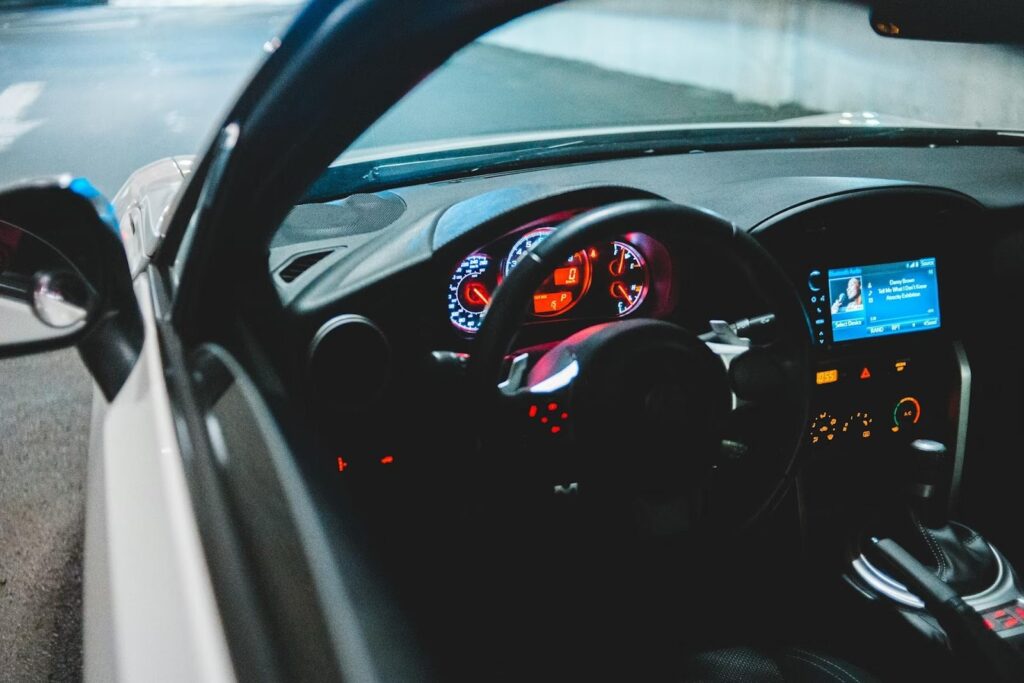
Navigating the Future With Smart Cockpits
Smart cockpits represent a fundamental shift in how you interact with your car. These continually developing systems promise a more efficient driving experience that is safer and more enjoyable. Buckle your seatbelts — these cockpits promise an exciting ride.