

Imagine your car’s wheels not just spinning, but thinking: choosing their own optimal shape, material and even alignment in real time. Welcome to a world where AI wheels aren’t just visuals, they’re performance hardware and yes, they’re rolling toward you now.
Why Wheels Matter in the AI Era
Before diving into the high-tech stuff, it’s worth remembering that wheels are the backbone of a car’s performance. They determine handling, comfort, aerodynamics and even fuel efficiency. However, despite being a vital component, wheel innovation has remained relatively unchanged for decades, until now.
As artificial intelligence begins reshaping every corner of the automotive world, even your wheels are getting smarter. To understand the scale of this transformation, just look at the gaming industry, where experts predict the generative AI market will surge from USD 922 million to over USD 7.1 billion by 2032. AI wheels can analyze data, adjust to conditions and help designers rethink what’s physically possible, turning an ordinary set of rims into adaptive performance tech.
AI in Wheel Design From Generative Concepts to Bespoke Manufacturing
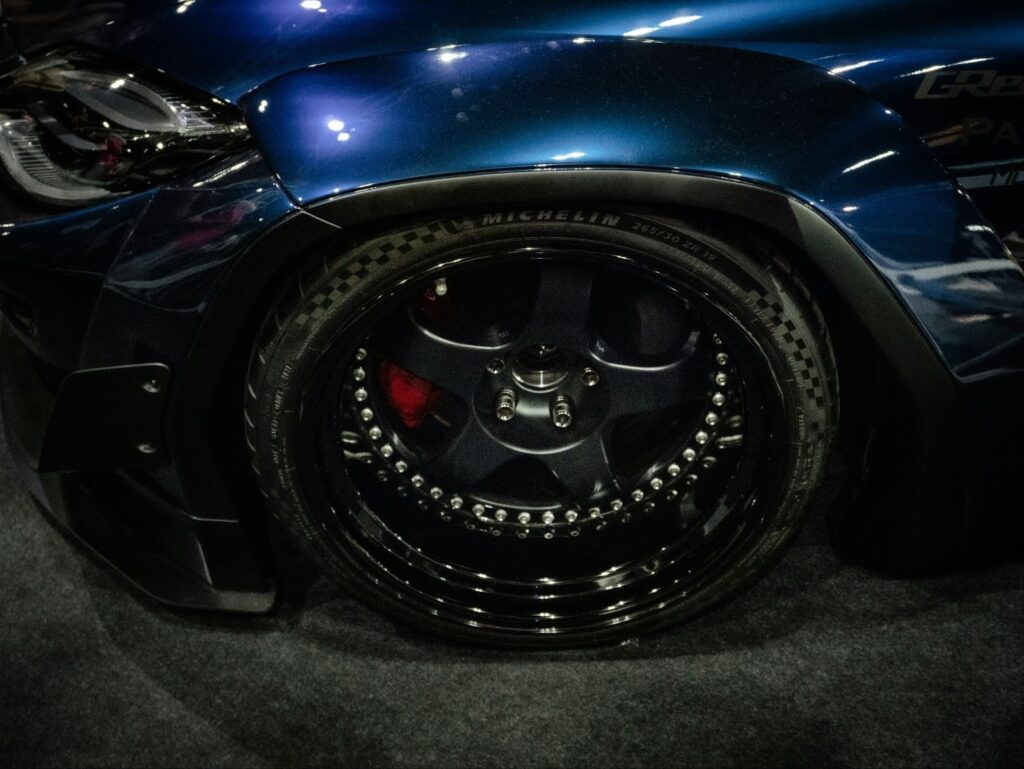
AI is already revolutionizing the design of car wheels. Generative-design algorithms can now create thousands of wheel variations based on performance goals like strength, weight or airflow. Designers simply set the parameters and the AI produces unique patterns, often resembling futuristic sculptures more than traditional rims.
A great example is the DeepWheel research project, which used AI to generate a vast dataset of realistic 3D wheel models for performance testing. Meanwhile, custom brands like Hodoor World are experimenting with AI-generated forged wheels, allowing customers to visualize and order tailor-made designs that were previously impossible.
Best practice is to always pair AI creativity with real-world simulation and safety validation. Even the most beautiful model needs to meet structural standards before it hits the road.
AI in Wheel Manufacturing and Materials Optimization
Beyond design, AI is revolutionizing the manufacturing process of wheels. Machine-learning systems are analyzing alloys and composites to find the perfect balance of lightness and durability, while predictive algorithms help manufacturers minimize defects and material waste.
Some companies are already utilizing AI to design custom wheels with enhanced aerodynamics and stiffness, thereby improving performance without adding weight. These tools can even monitor manufacturing conditions in real time, flagging micro-imperfections before they cause quality issues.
Best practice would be to integrate AI-driven design with automated quality control. When sensors, data analytics and human oversight work together, the result is a stronger, smarter wheel ready for modern vehicles and high-speed environments.
Smart Wheel Systems — Sensors, Self-Adjusting Alignment and Predictive Maintenance
Today’s AI doesn’t stop at design. In fact, it’s creeping into the wheel hub itself. Smart wheels equipped with sensors can now track temperature, vibration, tyre pressure and wear patterns in real time. When connected to an AI system, that data translates into early maintenance alerts, dynamic alignment adjustments and even on-the-fly performance tuning.
For instance, AI-powered customization combines visualization with functional insights, helping drivers and manufacturers predict how a wheel will perform long before it hits the road. In the near future, expect AI to adjust camber and toe angles automatically, responding to terrain or driver behavior.
Best practiceis to treat your AI wheels like any other smart device — secure their data, run regular calibrations and ensure software updates are part of your maintenance routine.
Visualization, Aftermarket and Consumer Experience
The aftermarket world is getting a digital glow-up, too. Thanks to AI visualisation tools, car enthusiasts can now “test-fit” different wheel styles virtually, swapping finishes, sizes and offsets in real time.
Manufacturers and tuners benefit just as much as AI speeds up prototyping, reduces material waste and gets new designs to market faster. Customisation is no longer just about looks; it’s about precision and performance tailored to you.
Best practicewould be to always follow virtual design sessions with physical test fitting to confirm load ratings and clearance before installation.
Challenges, Risks and What’s Next
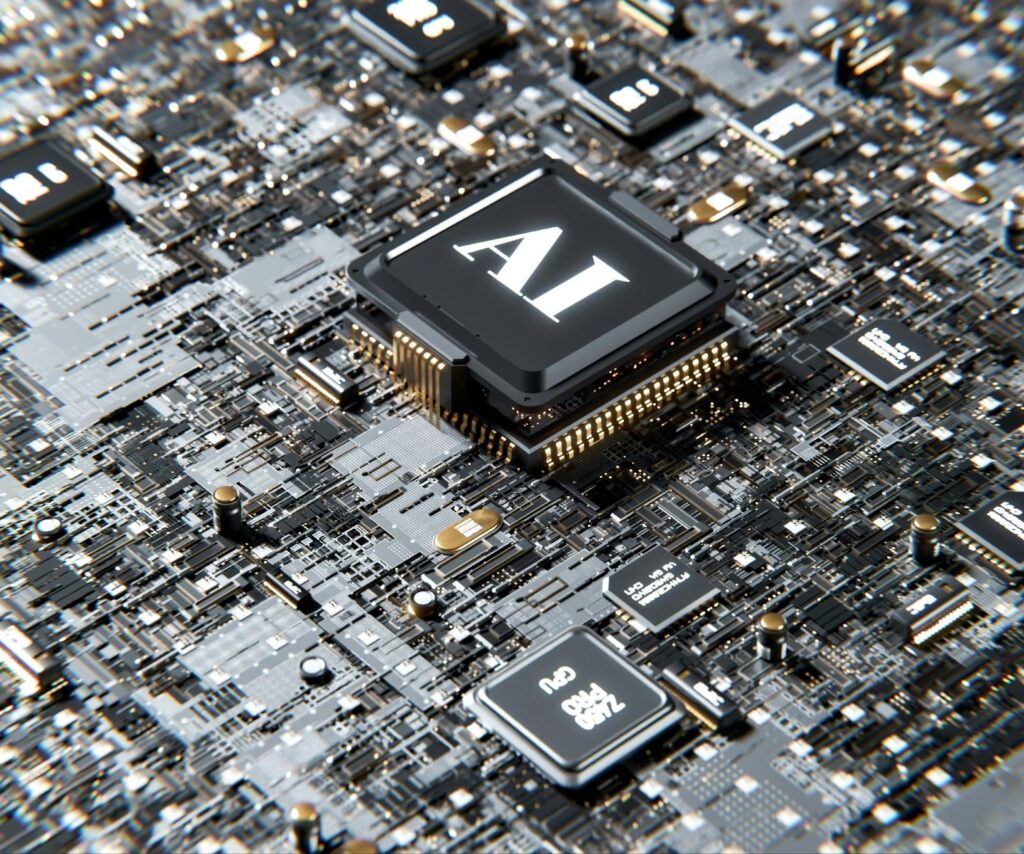
As exciting as AI wheels sound, there are real hurdles to overcome. Regulatory approval, safety testing and manufacturing costs still lag behind the technology’s potential. Over-reliance on AI design without human oversight can also lead to unexpected structural flaws or data bias.
Still, the road ahead looks promising. In autonomous and EV applications, AI-integrated wheels could adjust aerodynamics, communicate with braking systems and even generate power through kinetic feedback. It’s a future where your car’s wheels won’t just spin, they’ll think.
Best practice would be to keep humans in the loop. AI enhances engineering brilliance rather than simply replacing it.
Rolling Into the Future
AI is transforming wheels from passive metal circles into dynamic, data-driven performance assets. Whether in design, manufacturing or smart systems, AI wheels are set to make every turn smarter, smoother and more customized than ever before.