
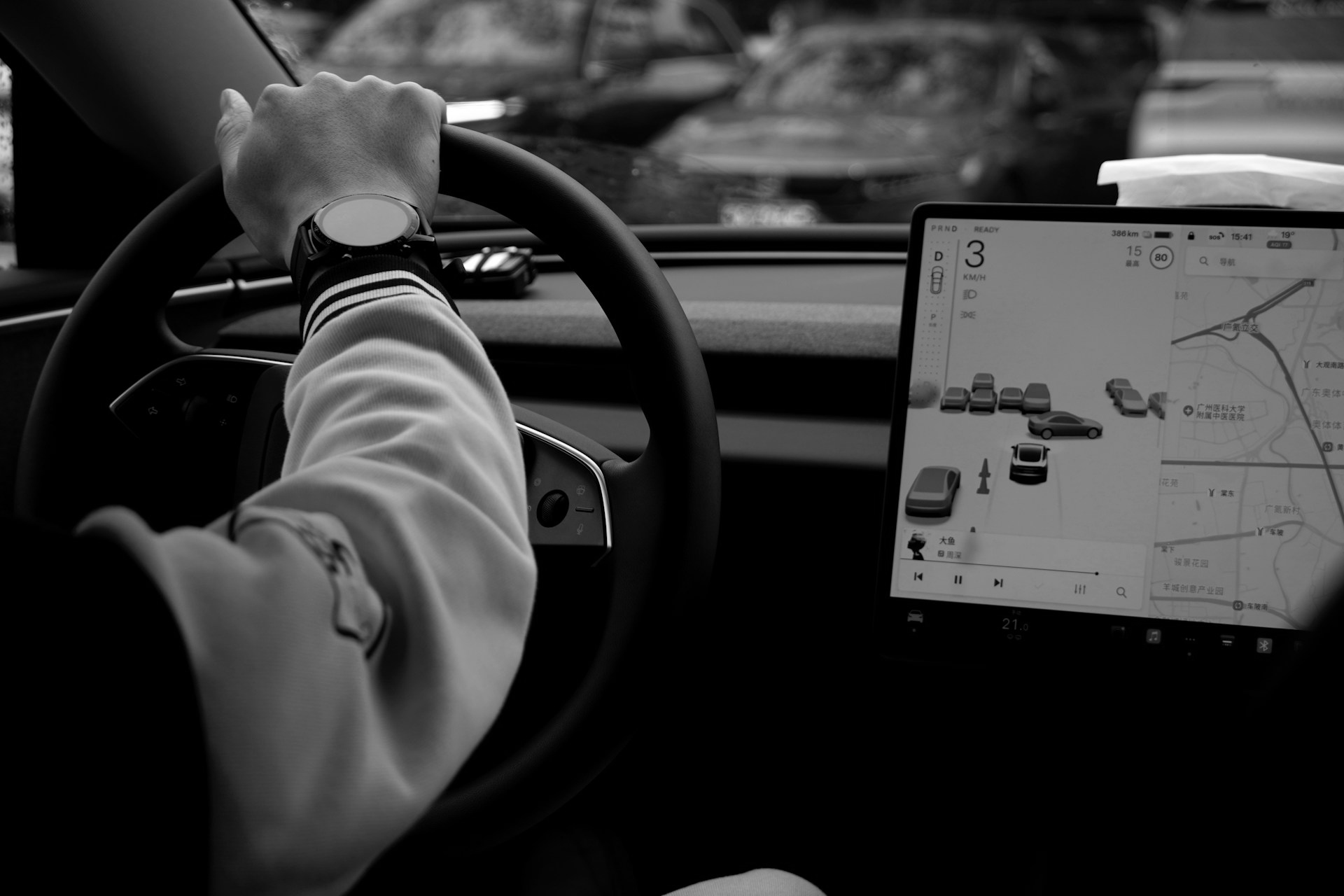
The Internet has connected computers and homes, with smart speakers, thermostats and similar innovations. Now, it’s poised to connect vehicles in a revolutionary way. The Internet of Vehicles (IoV) is a network where cars can connect not only with each other but also to cloud platforms and city infrastructures. It can reshape the driving experience and make the transportation system smarter, safer and more efficient.
What Is the Internet of Vehicles?
The IoV is like a social network for cars, a platform where they can share status updates to help each other navigate more effectively. It’s a subset of the Internet of Things (IoT), which transmits data over a system without interactions between humans and computers. The IoV uses sensors, software and communication technologies to function. Its core components include:
- Vehicle-to-vehicle (V2V): Cars share data on speed, position and road hazards with each other.
- Vehicle-to-infrastructure (V2I): Cars communicate with their environment, including traffic lights, road signs and other infrastructure to optimize traffic flow.
- Vehicle-to-everything (V2X): Cars communicate with everything, including V2V, V2I, pedestrians, cloud networks and more.
The IoV is a specialized part of the smart transportation market, which integrates AI, IoT, data analytics and other technologies. This segment is expected to grow to $276.65 billion by 2029, which is a significant increase from $129.72 billion in 2024.
How Will IoV Change Your Daily Drive?
The Internet of Vehicles offers many tangible benefits and real-world applications.
Next-Level Safety
Beyond basic collision avoidance, V2V communication can prevent accidents with “cooperative perception,” where a vehicle can “see” what a car two vehicles ahead “sees.” For example, if you’re driving in fog, your dashboard may alert you of a stalled car a mile ahead, long before your eyes and sensors can detect it.
Smarter, Stress-Free Commutes
IoV can optimize the entire traffic grid. It can reroute you around traffic jams and even predict them before they happen. Your GPS can also sync with city traffic lights to create a “green wave,” timing the lights ahead of you to match your speed for a smoother journey.
The End of Surprise Downtimes
Vehicle repair and maintenance can turn predictive instead of reactive with IoV, as sensors monitor the health of components in real-time. You receive a specific notification from the start, rather than a vague check engine light and a trouble code that requires a scan tool to retrieve. The technology can also reroute your car to nearby auto shops or even book an appointment for you.
The Core Technologies Making It Possible
Here’s an overview of the technologies that power the IoV:
- 5G connectivity: For a car to brake automatically, the signal must be instantaneous. The IoV relies on the immediate transmission of massive amounts of data, a task tailor-made for 5G networks. Its role is so critical that connected cars are expected to make up around 53% of the 5G IoT market by 2030.
- Advanced sensors: Vehicles use different types of electronic “senses” to safely and efficiently navigate the roads. For example, LiDAR creates detailed 3D maps of the environment, radar excels at detecting object speed and distance in rain or fog and cameras read road signs and lane markings.
- Onboard computing: Cars have powerful processors that analyze data and make decisions in milliseconds. It eliminates delay, manages massive data volume and ensures constant reliability in areas with no cell service.
Who Is Leading the IoV Revolution?
The best luxury car brands are leading the charge, as they’re often the testbed for new and expensive technologies. They have the budget and customer base willing to pay for cutting-edge functions and luxury features. Consider Tesla’s over-the-air software updates, Audi’s traffic light information V2I feature and the advanced driver-assist systems of BMWs and Mercedes-Benzes.
The Hurdles on the Road to a Connected Future
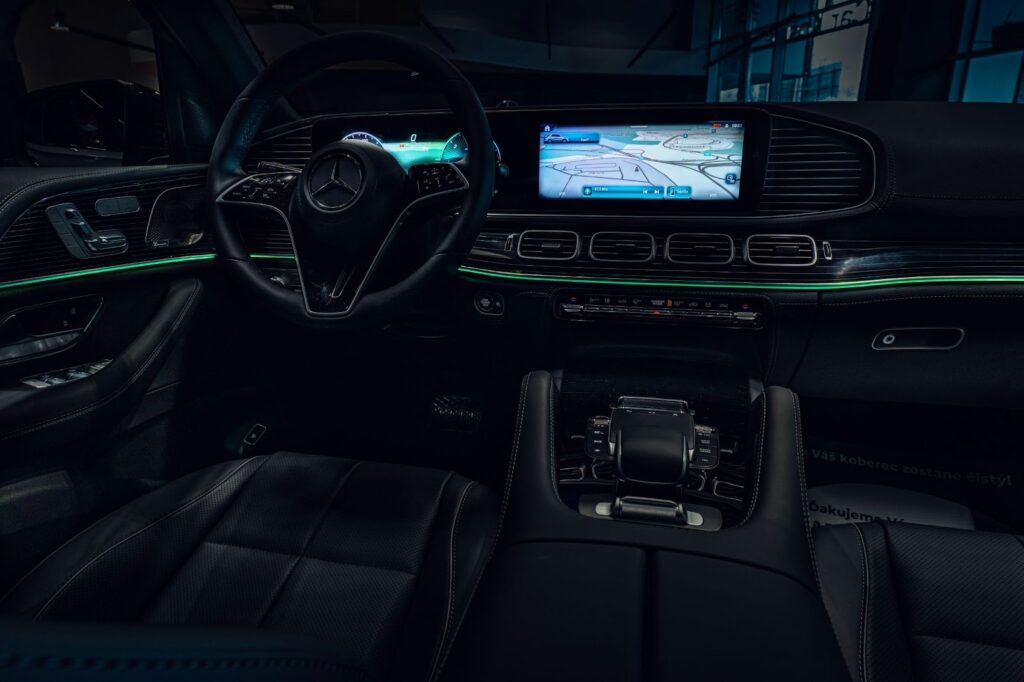
IoV still has a ways to go before it goes mainstream due to these challenges:
- Cybersecurity risks, such as a hacker remotely disabling a car’s brakes or spoofing a V2I signal to cause a traffic jam
- Data privacy concerns, including how automakers prevent unlawful data collection and use
- Standardization and infrastructure, as the V2X system must be universal to be effective
Navigating the Road Ahead for IoV
The Internet of Vehicles is the next frontier in automotive technology. However, the journey toward a fully connected network is a balancing act. The potential for safer roads and smarter cities must be weighed against the critical need to secure data from new-age threats. Ultimately, IoV represents a fundamental shift in the driving experience. It turns vehicles from simple modes of transportation to intuitive partners that can anticipate human needs and work with the world around them.