Category: Uncategorized

  • Here’s What You Can Expect From the Internet of Vehicles

    Here’s What You Can Expect From the Internet of Vehicles

    The Internet has connected computers and homes, with smart speakers, thermostats and similar innovations. Now, it’s poised to connect vehicles in a revolutionary way. The Internet of Vehicles (IoV) is a network where cars can connect not only with each other but also to cloud platforms and city infrastructures. It can reshape the driving experience and make the transportation system smarter, safer and more efficient.

    What Is the Internet of Vehicles?

    The IoV is like a social network for cars, a platform where they can share status updates to help each other navigate more effectively. It’s a subset of the Internet of Things (IoT), which transmits data over a system without interactions between humans and computers. The IoV uses sensors, software and communication technologies to function. Its core components include: 

    • Vehicle-to-vehicle (V2V): Cars share data on speed, position and road hazards with each other. 
    • Vehicle-to-infrastructure (V2I): Cars communicate with their environment, including traffic lights, road signs and other infrastructure to optimize traffic flow. 
    • Vehicle-to-everything (V2X): Cars communicate with everything, including V2V, V2I, pedestrians, cloud networks and more. 

    The IoV is a specialized part of the smart transportation market, which integrates AI, IoT, data analytics and other technologies. This segment is expected to grow to $276.65 billion by 2029, which is a significant increase from $129.72 billion in 2024. 

    How Will IoV Change Your Daily Drive?

    The Internet of Vehicles offers many tangible benefits and real-world applications. 

    Next-Level Safety 

    Beyond basic collision avoidance, V2V communication can prevent accidents with “cooperative perception,” where a vehicle can “see” what a car two vehicles ahead “sees.” For example, if you’re driving in fog, your dashboard may alert you of a stalled car a mile ahead, long before your eyes and sensors can detect it.

    Smarter, Stress-Free Commutes

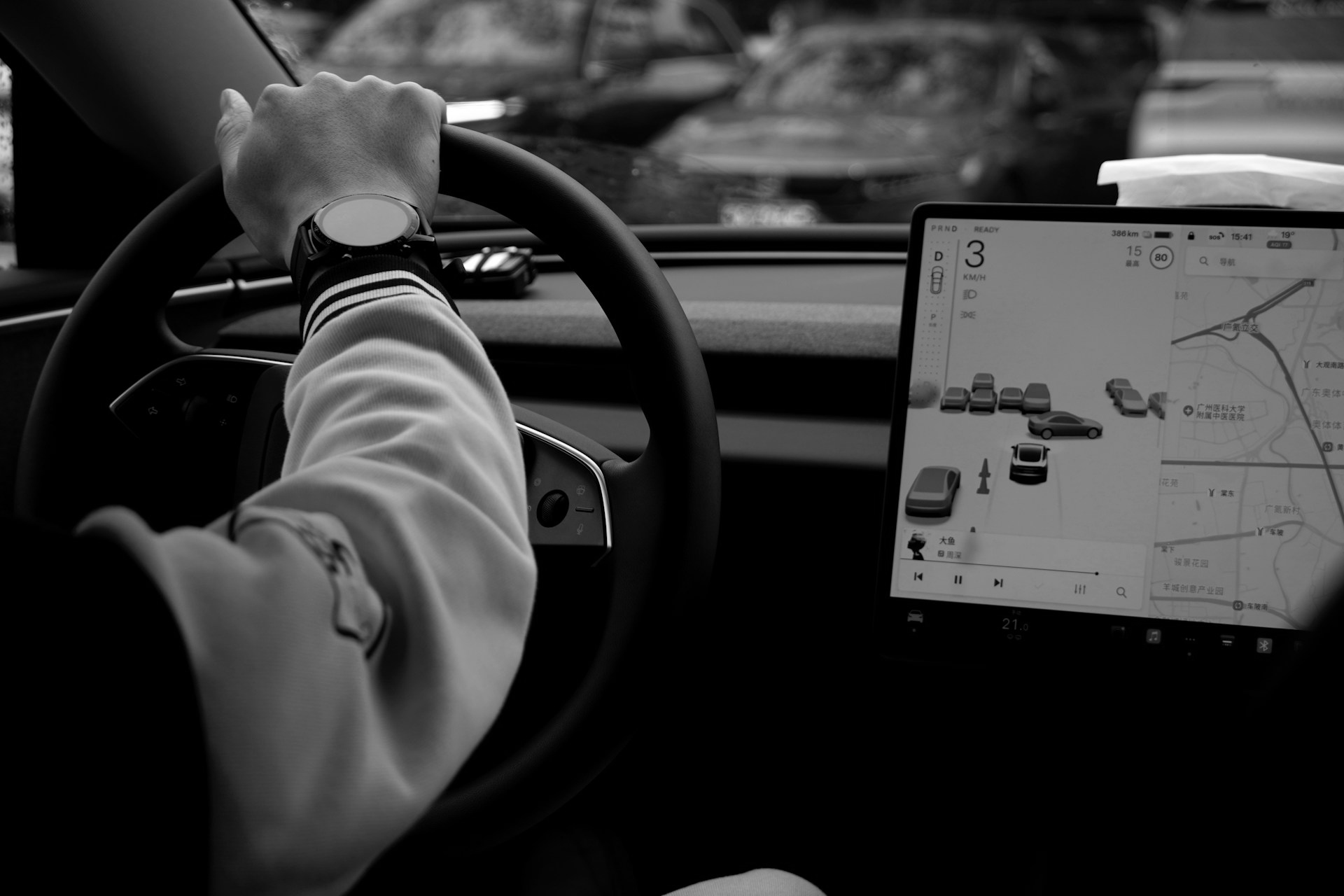
    IoV can optimize the entire traffic grid. It can reroute you around traffic jams and even predict them before they happen. Your GPS can also sync with city traffic lights to create a “green wave,” timing the lights ahead of you to match your speed for a smoother journey. 

    The End of Surprise Downtimes

    Vehicle repair and maintenance can turn predictive instead of reactive with IoV, as sensors monitor the health of components in real-time. You receive a specific notification from the start, rather than a vague check engine light and a trouble code that requires a scan tool to retrieve. The technology can also reroute your car to nearby auto shops or even book an appointment for you. 

    The Core Technologies Making It Possible

    Here’s an overview of the technologies that power the IoV: 

    • 5G connectivity: For a car to brake automatically, the signal must be instantaneous. The IoV relies on the immediate transmission of massive amounts of data, a task tailor-made for 5G networks. Its role is so critical that connected cars are expected to make up around 53% of the 5G IoT market by 2030. 
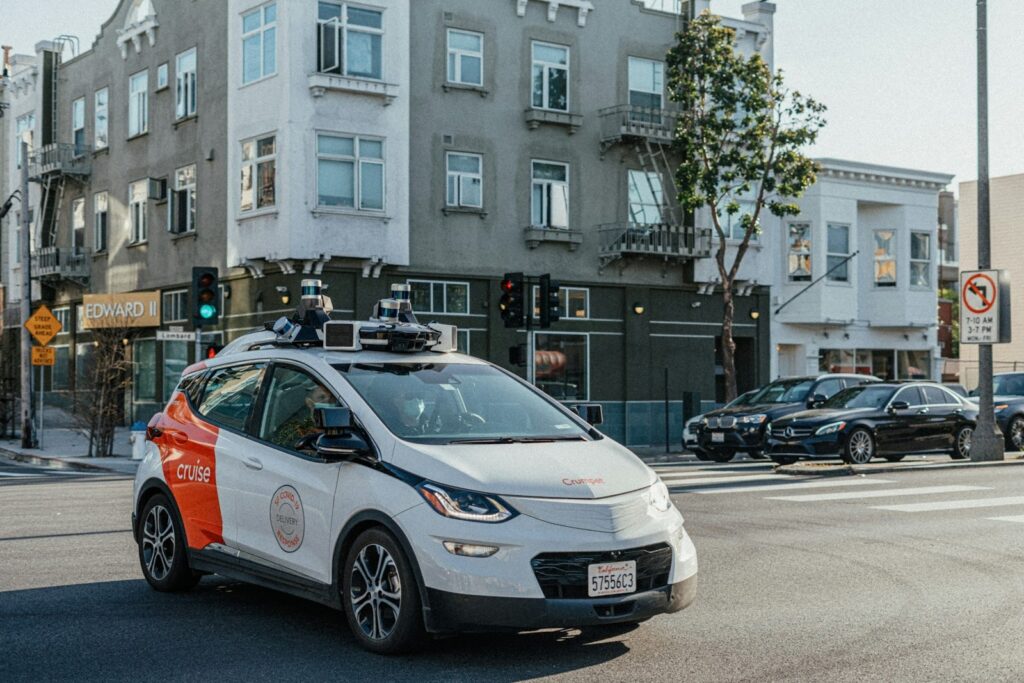
    • Advanced sensors: Vehicles use different types of electronic “senses” to safely and efficiently navigate the roads. For example, LiDAR creates detailed 3D maps of the environment, radar excels at detecting object speed and distance in rain or fog and cameras read road signs and lane markings. 
    • Onboard computing: Cars have powerful processors that analyze data and make decisions in milliseconds. It eliminates delay, manages massive data volume and ensures constant reliability in areas with no cell service. 

    Who Is Leading the IoV Revolution?

    The best luxury car brands are leading the charge, as they’re often the testbed for new and expensive technologies. They have the budget and customer base willing to pay for cutting-edge functions and luxury features. Consider Tesla’s over-the-air software updates, Audi’s traffic light information V2I feature and the advanced driver-assist systems of BMWs and Mercedes-Benzes. 

    The Hurdles on the Road to a Connected Future
    IoV still has a ways to go before it goes mainstream due to these challenges: 

    • Cybersecurity risks, such as a hacker remotely disabling a car’s brakes or spoofing a V2I signal to cause a traffic jam
    • Data privacy concerns, including how automakers prevent unlawful data collection and use
    • Standardization and infrastructure, as the V2X system must be universal to be effective

    Navigating the Road Ahead for IoV

    The Internet of Vehicles is the next frontier in automotive technology. However, the journey toward a fully connected network is a balancing act. The potential for safer roads and smarter cities must be weighed against the critical need to secure data from new-age threats. Ultimately, IoV represents a fundamental shift in the driving experience. It turns vehicles from simple modes of transportation to intuitive partners that can anticipate human needs and work with the world around them. 

  • Smart Cockpits Will Revolutionize the Driving Experience in These 5 Ways

    Smart Cockpits Will Revolutionize the Driving Experience in These 5 Ways

    Smart cockpits are revolutionizing automotive innovation by integrating advanced technologies to transform driver and passenger interactions. Featuring AI-driven interfaces, real-time data analytics and effortless connectivity, these systems enhance operational efficiency while dramatically improving your user experience. 

    From personalized settings to robust safety features, smart cockpits adapt to individual preferences, ensuring that every journey is both convenient and enjoyable. What is a smart cockpit and how are they reshaping our driving experiences for the better?

    More Than a Screen — What Is a Smart Cockpit?

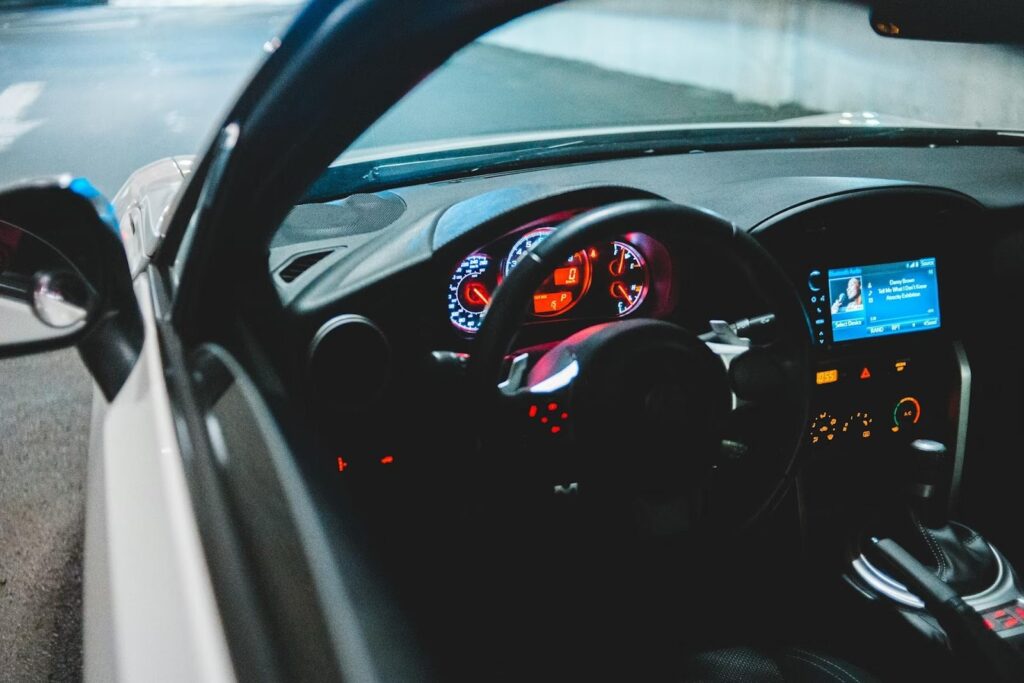
    A smart cockpit is a fully integrated digital environment that acts as your vehicle’s central nervous system. It merges various hardware components — sensors, cameras and displays — with intelligent software that controls your car’s navigation, entertainment, safety and performance systems. 

    This vehicular evolution signifies a shift from traditional buttons to a dynamic, adaptive interface that learns and anticipates your driving needs. With real-time capabilities, smart cockpits enhance user interaction, providing a more intuitive driving experience that prioritizes convenience and safety, reflecting the future of automotive technology.

    5 Ways the Smart Cockpit Is Redefining Driving

    The innovative technology encompassing the smart cockpit is transforming your driving experience into a safe, pleasurable and personalized one. These five key ways are revolutionizing the way you’ll soon drive:

    1. The Rise of the AI Co-Pilot

    AI assistants are essentially conversational partners, proactively providing suggestions and managing complex driving tasks to integrate seamlessly with your digital travel life. These intelligent systems learn from individual driver preferences, offering personalized shortcuts, media choices and optimized navigation routes. 

    For example, an AI co-pilot might suggest your fastest route based on past travel times or bring up your favorite playlist as you set out on a journey. AI co-pilots process voice commands and evaluate driver behavior to create a seamless in-cabin experience. Drastic reduction in the human errors responsible for over 90% of global traffic accidents makes every drive safer, more efficient and enjoyable.

    2. From Screens to Augmented Reality

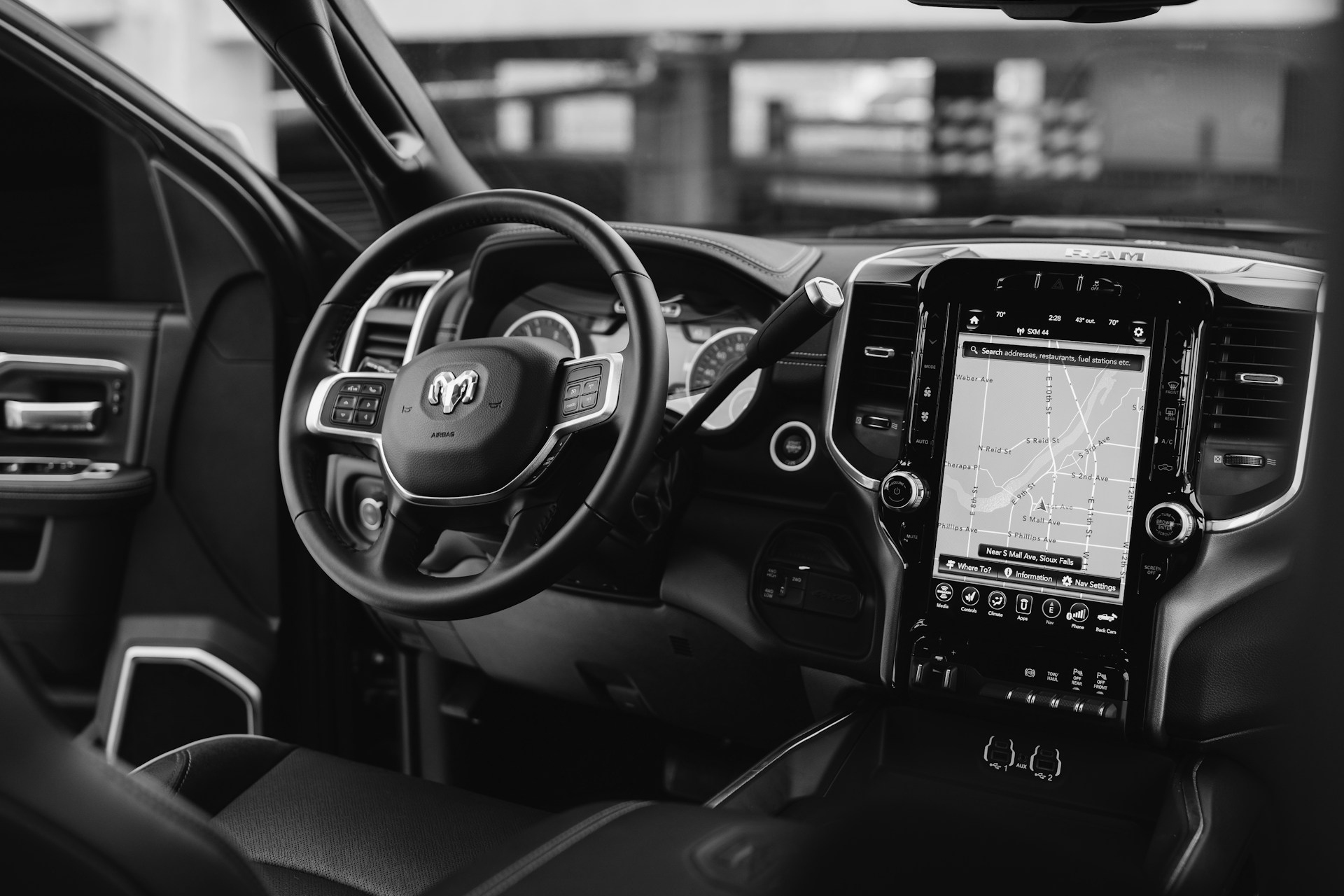
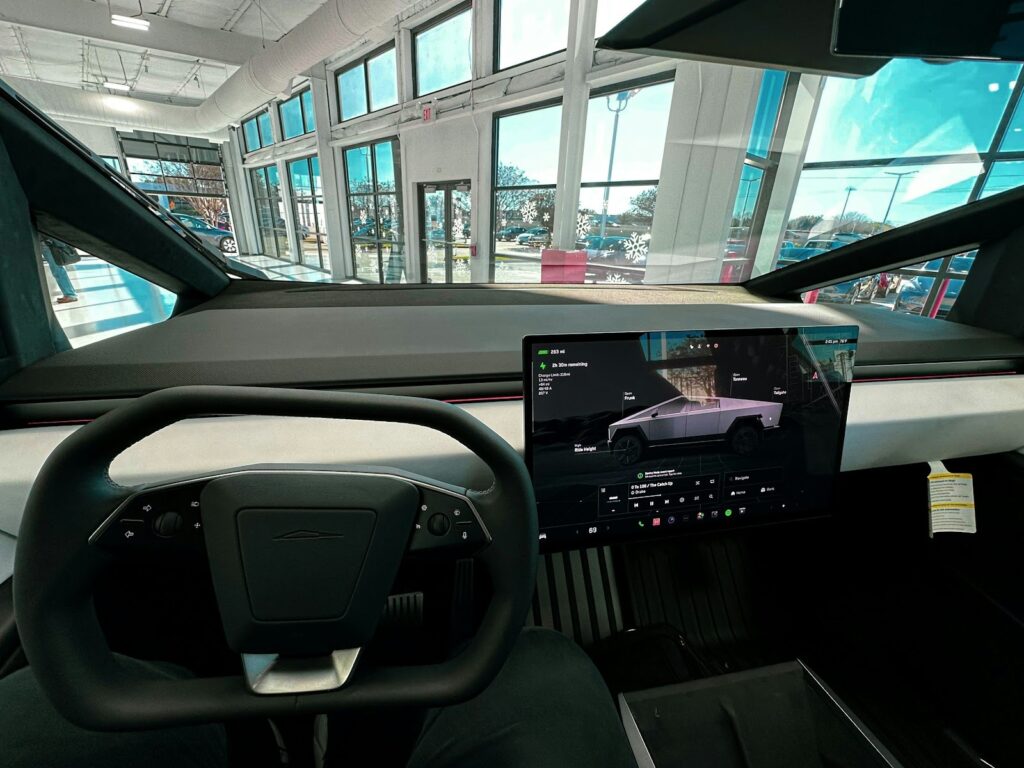
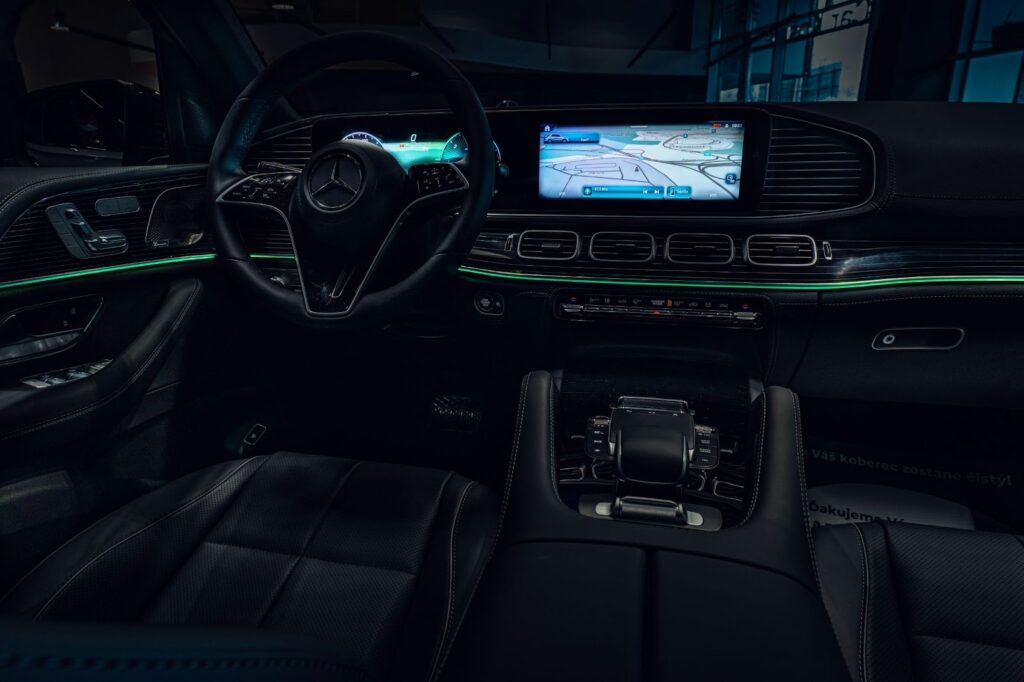
    The car’s visual interface is evolving from traditional screens to immersive augmented reality. Currently, large, high-definition displays dominate the dashboard, providing crucial navigation and entertainment information. However, the next frontier will project this information directly into your field of view. 

    This groundbreaking development features holographic displays that project alerts and navigation prompts in a way that seamlessly integrates them with the real world, minimizing distractions. Hyundai has announced a holographic windshield display for its Mobis model, pairing contextual intelligence with advanced optics and a holographic car window tint to boost design appeal and clarity.  These holograms feature navigation arrows that float on the road ahead, enabling drivers to focus on the road.

    3. Deep Personalization for Every User

    Smart cockpits tailor individualized ecosystems to each user’s preferences, from seat adjustments and app layouts to climate settings and even specific Advanced Driver Assistance Systems (ADAS) configurations. Biometric sensors, such as facial recognition, voice and fingerprint scanners, can identify you and load your profile upon entering the vehicle. 

    This level of personalization ensures every trip fits with your preferences. Generative AI plays a considerable role in developing these adaptive user interfaces, enabling car manufacturers to create a personalized and attentive driving experience tailored to your needs. However, this personal experience comes at a price. Modern vehicles can include over 1,400 semiconductors and thousands of other parts, meaning you’ll pay more in repair costs if something goes wrong, clearly in the price of progress.

    4. A Car That Improves Over Time

    Connectivity in modern vehicles is paramount for them to remain online and receive over-the-air (OTA) updates. This OTA capability means that the features, performance metrics and security protocols of smart cockpits, akin to a smartphone, can continue evolving long after your car leaves the factory. 

    Consequently, owners can benefit from the latest improvements without needing to visit a dealership. The cloud now enhances your car’s software and unlocks new hardware features as they become available, ensuring your vehicle remains updated with the fastest technological advancements.

    5. Proactive Safety and Awareness

    Your smart cockpit serves as the central hub for all safety-related information, featuring sensors and cameras that monitor your vehicle’s surroundings and your own driving state. This technology features advanced driver-monitoring systems that detect signs of fatigue or distraction, providing timely alerts on the cockpit’s main screen. 

    Doing so enhances your overall safety, allowing for quick engagement when it matters most. By ensuring that drivers remain focused and alert, smart cockpits set a new standard for vehicular safety and awareness.

    Navigating the Future With Smart Cockpits

    Smart cockpits represent a fundamental shift in how you interact with your car. These continually developing systems promise a more efficient driving experience that is safer and more enjoyable. Buckle your seatbelts — these cockpits promise an exciting ride.

  • How Do Self-Healing Cars Work? Current Tech, Future Tech and 5 Predictions

    How Do Self-Healing Cars Work? Current Tech, Future Tech and 5 Predictions

    From high-strength steel to carbon fiber, automotive materials have evolved and enhanced performance. Now, the industry is shifting toward dynamic structures with active response capabilities. Self-healing cars are currently being researched and will eventually make their way to showroom floors. What should you expect from these technologies? Here’s what you need to know. 

    The Magic of Self-Healing Cars

    Self-healing technologies are among the most exciting innovations in the automotive industry. This technology relies on sensors to detect and fix issues with minimal human intervention. Once the problem is identified, the processor can administer a solution. For instance, it can send ambient heat to heal scratches or resin to address deeper gouges. 

    Automakers are still working on a car with fully self-healing capabilities. However, some manufacturers have already introduced models featuring self-healing clear coats to repair paint scratches. Lexus is among the premier companies with these technologies, as ES 300h, LX and LS drivers benefit from them. 

    Current Technologies Supporting Self-Healing Cars

    Paint protection film (PPF) is the driving force behind self-healing technologies. This protective layer protects paint from road obstacles, from rocks to fallen branches. PPF is also known as clear bra because it’s transparent and durable. Automakers incorporate a thermoplastic urethane layer to shield paint from hazards. The polymers heal themselves after exposure to heat, whether from warm water or sunlight. 

    Self-healing technologies go beyond car frames and paint jobs. Modern vehicles are equipped with self-mending tires, featuring sealants inside the tread. Experts say silicone elastomer can promptly heal punctures and prevent the tire from losing pressure. This automotive technology also promotes sustainability because it’s recyclable. 

    The Future of Auto-Regenerative Vehicles

    What’s next for self-healing cars? The industry is researching and developing self-mending structural components. Automakers are turning to carbon fiber chassis and bodies because they’re both strong and lightweight. For example, researchers have developed carbon-fiber plastic composites with shape-recovery and self-healing properties. This innovation will be crucial to aircraft and passenger vehicles.

    Self-healing research is underway in major manufacturers, such as Lamborghini. In 2017, the Italian automaker introduced the Terzo Millennio in a partnership with the Massachusetts Institute of Technology. This concept car has paved the way for a potential release, which could arrive soon. A former Lamborghini CEO said the Terzo could be ready by 2030, contingent upon research and development timelines.

    Predictions for Self-Healing Cars

    Self-mending technologies are pivotal to the future of vehicle engineering and maintenance. How will they change daily life for drivers and industry professionals? Here are five predictions for the coming years.  

    1.  Maintenance Will Be Transformed

    Cars need maintenance to run well. For instance, experts recommend air filter changes every 30,000 miles and oil service every 10,000 miles. However, other aspects of maintenance will shift with the development of self-healing technologies. Body shops will focus more on major collisions — the accidents that require more than self-healing paint. Meanwhile, a new wave of self-healing systems will arise.

    2. Advanced AI Improves Healing

    Technologies naturally improve over time, and the same will apply to AI in self-healing cars. They’ll become more proactive than reactive, focusing more on prevention. Expect automakers to use microscopic sensors to create a nervous system for the vehicle. The network will go deeper than paint scratches by monitoring vibrations and chemical exposure. 

    3. Manufacturers Phase Out Spare Tires

    Self-healing technologies will revolutionize cars by reducing the need for spare tires. The extra tire can weigh up to 100 pounds, thus making the engine work harder. Removing the spare can make the car lighter and more efficient. Alternatively, automakers could use the space for larger battery packs or cargo space. 

    4. Self-Healing Becomes Standard

    True self-healing technologies are typically found in luxury vehicles, from Lexus to Lamborghini. However, the future is bright for the rest of the automotive industry. Self-mending will be a feature in commercial trucking, mass transit and aviation. While passenger vehicles comprise 92% of cars, there’s still room to grow.  

    5. Sustainability Takes Over

    While software and speed are critical pillars, sustainability will be another one. The future will include more biodegradable self-healing materials as they shift away from petroleum-based products. Instead, expect more renewable sources, such as cellulose and algae. This bio-friendly concept supports a circular economy and carbon reduction initiatives. 

    The Next Generation of Automotive Resilience

    Drivers and automotive professionals are witnessing passive materials turn into dynamic and intelligent structures. The self-healing revolution has already started with paint film and puncture-sealing tires. However, the future is even brighter with regenerative carbon fiber. These technologies will redefine car ownership by emphasizing durability and mobility. 

  • What Is V2X Communication?

    What Is V2X Communication?

    Everything is connected today, even the car you drive. Modern vehicles can go beyond Bluetooth and phone-pairing capabilities to now communicate with the world around them, sharing real-time information with roads, traffic systems, pedestrians and other vehicles. This technology is called vehicle-to-everything (V2X), and it’s changing the future of transportation.

    What Is V2X Technology?

    V2X communication technology allows vehicles to send and receive data from anything that might affect their journey. The idea behind it is that when cars can “talk” to their surroundings, they can make better decisions. Imagine your vehicle knowing about road conditions long before it reaches the area, or being warned because a pedestrian is about to cross the road. The communication is fast, automatic and constant. There are several types of communication included in V2X technology, including:

    • Vehicle-to-vehicle (V2V): Cars communicate with each other to share information, such as speed and position, to help prevent collisions.
    • Vehicle-to-infrastructure (V2I): Communication with traffic lights, road signs and other infrastructure.
    • Vehicle-to-pedestrian (V2P): Direct communication with pedestrians, cyclists and other vulnerable road users.

    Although V2X may sound like a futuristic technology, its history can be traced back to the 1970s, with projects like the U.S. Electronic Road Guidance System (ERGS), which aimed to improve safety and reduce accidents.

    How Does V2X Technology Work?

    V2X technology currently relies on dedicated short-range communications (DSRC) or cellular vehicle-to-everything (C-V2X). DSRC was the first official version in the U.S. It’s an IEEE 802.11p-based WAVE technology, which was developed from WLAN technology specifically for automotive and transportation applications. 

    C-V2X is a newer technology that integrates LTE and 5G cellular networks to prioritize speed. A delay of even a half second can make a significant difference on a busy motorway, so the system prioritizes speedy and reliable signal exchange.

    How Is V2X Used in the Real World?

    V2X is primarily used to enhance safety, but it also offers benefits in various other areas. Here are some of its main applications.

    1. Road Safety

    Car accidents are a common occurrence in the U.S., with an average of 117 people dying on the road in 2022. The information exchanged through V2X, like acceleration, speed and position, can alert drivers of any hazards in their path. For example, when two cars ahead of you suddenly brake hard, you get a notification to start braking before a collision happens. The technology can potentially prevent accidents from happening altogether.

    V2X also helps drivers, pedestrians and cyclists stay aware of one another in real time. The New York City DOT tested a custom smartphone application called PED-SIG in 2021, which provides live updates about signalized intersections. During the trial, 83% of pedestrians reported feeling safer using the app, and 38% of drivers stated that it helped them drive more safely.

    2. Traffic Efficiency

    Vehicles that communicate with traffic lights can avoid unnecessary stops, easing congestion and reducing fuel consumption. Cities benefit because they gain access to real-time traffic data, helping them manage road networks more efficiently and respond to issues more quickly. Ambulances and other emergency vehicles also benefit from V2X communication, as this technology can help clear their path by coordinating with traffic lights and nearby cars.

    Georgia conducted a two-month study to see how the technology can enhance traffic efficiency, using two Fulton County school buses equipped with C-V2X. The buses communicated with 62 traffic lights along their routes. By receiving signal priority, they stopped less often and moved more efficiently. The result showed a 40% drop in stops, a 13% cut in travel time and a 7% improvement in fuel consumption.

    3. Autonomous Driving

    V2X can help accelerate the development of self-driving cars. These cars rely heavily on advanced driver assistance systems that use sensors. However, sensors alone have limits. V2X fills in the blind spots by giving vehicles information they can’t detect physically. It’s one of many technologies that will help self-driving cars operate more safely. 

    BMW has already integrated this technology to support autonomous driving. It released the All-New BMW 5 Series with JOYNEXT’s V2X technology in January 2025. 

    V2X Is Changing the Game

    V2X communication presents numerous possibilities for the automotive and transportation industries. It makes driving safer, smarter and more sustainable. Although it’s still in its early stages, the technology will likely become a natural part of everyday driving.

  • 6 Current Issues With Autonomous Vehicles and Potential Solutions

    6 Current Issues With Autonomous Vehicles and Potential Solutions

    Autonomous vehicles (AV) are rapidly becoming a reality on our roads. While the majority of cars today have some level of advanced driving systems, they haven’t yet achieved full autonomy. Self-driving cars still face numerous challenges that must be overcome before they’re widely adopted, from technological challenges to ethical debates.

    Technological Challenges and Solutions

    Numerous logistical and technological challenges are associated with autonomous vehicles. Below are the most prominent issues impacting the industry. 

    1. Navigating Adverse Weather Conditions

    Autonomous vehicles will need to overcome perception. It’s something we take for granted as humans, but AVs struggle to interpret complex and unpredictable environments. This is especially true for adverse weather conditions, such as snow, rain and fog. In the past few years, there has been an increased focus on creating software that can help AVs navigate tricky conditions, but it will remain an issue in the years ahead.

    1. Making Complex Decisions 

    Programming AVs to make humanlike decisions in novel situations is another major technological hurdle. Whether it’s navigating construction zones, potholes or other human drivers, AVs will need to react fast to unpredictable obstructions. To achieve this, deep reinforcement learning and simulation tests can train AVs to learn from experience in a safe and controlled environment. 

    1. Avoiding Cyberattacks

    As the number of AVs on the road increases, so do cybersecurity risks. In the coming years, AV manufacturers will need to ensure that their vehicles are immune to cyberattacks — otherwise, there could be devastating consequences. 

    Cyberattacks are a huge and multifaceted issue with autonomous vehicles, with research finding that those with high cyber or AV knowledge are particularly worried. It’s likely that multi-layered security architectures, including intrusion detection systems, will be implemented, along with over-the-air (OTA) software updates to patch vulnerabilities as they are discovered.

    Ethical Challenges and Solutions

    In addition to technological issues, there are numerous ethical and societal implications of autonomous cars.

    1. Making Ethical Judgements

    A crucial ethical issue with autonomous vehicles is how they make life-or-death decisions. Some collisions are unavoidable. While humans often make split-second judgment on instinct, AVs must be programmed to take the next action. 

    Should the AV prioritize the safety of those inside, even if it puts more people at risk? This is a common philosophical question known as the Trolley Problem, and it remains a topic of contentious debate in the AV space today.

    1. Ensuring Trust and Acceptance

    Another hurdle for the widespread adoption of AVs is trust. Driving automation has five levels, and the majority of cars on the road today have some form of automated features. The Level 2 category, which is partial driving automation, is the most common level we see today. However, to achieve widespread Level 5 automation, which is fully autonomous, consumers must have trust and acceptance to adopt the technology.

    This trust is currently fragile and easily shaken by high-profile accidents. A solution to this will likely center on the communication between manufacturers and consumers. In the years ahead, we’ll see an emphasis on conveying the limits of this tech, as well as the safety benefits of AVs. 

    1. Mitigating the Economic Impact

    The adoption of AVs is expected to cause widespread disruption to the economy and employment. From taxi cars to trucks, this industry could displace millions of professional drivers. Although it’s predicted that advanced driving assistance and autonomous driving could generate between $300 billion and $400 billion by 2035, there’s concern that the benefits may not be distributed evenly. 

    As the economic impacts become more visible, this issue is bound to grow and make consumers wary of adaptation. According to some reports, when AV saturation reaches its highest level, drivers in the U.S. could experience job losses at a rate of 300,000 per year. Future discussions will address job displacement, worker retraining and ensuring that the benefits of autonomous vehicles are accessible to all income levels.

    The Road Ahead for Autonomous Vehicles

    The idea of a self-driving car was once reserved for science fiction. Today, it’s becoming a reality. The question is not whether self-driving cars will change society — it’s a matter of when and how.  Current issues with autonomous vehicles are a tough challenge for engineers and policymakers to overcome. However, with the combination of innovative technology and thoughtful policy, AVs can move from a promising concept to a tangible reality on our roads. 

  • How Is 3D Printing in Automotive Manufacturing Changing the Industry?

    How Is 3D Printing in Automotive Manufacturing Changing the Industry?

    Automotive manufacturing has come a long way since Henry Ford introduced the moving assembly line for mass production. Today, technological advancements give manufacturers far greater control over how parts are designed, tested and brought to life. The arrival of 3D printing — or additive manufacturing –- is accelerating this transformation in a big way. The tech itself isn’t new, but it’s finally carving out real space on factory floors. Here’s how it’s changing the automotive industry.

    1. Cutting Down Vehicle Development Time and Budget

    3D printing is helping manufacturers cut down development time in an industry where speed to market is everything. Traditional prototyping methods like machining or injection molding demand high costs and slow production lead times, particularly for small batches. On the other hand, additive manufacturing can provide rapid and cost-effective parts, which allow companies to move from design to testing much faster.

    Ford is an excellent example of this. The automaker opened its 3D Printing Center in Cologne, Germany, in 2023. Using a fleet of industrial printers, it’s able to produce components up to 80% cheaper than conventional injection molding. 

    In terms of time savings, GM showed just how significant it can be. Back in 2022, the company faced a last-minute redesign for the Chevrolet Tahoe. Instead of months of tooling, engineers used HP’s Multi Jet Fusion technology to deliver 60,000 parts in just five weeks, keeping 30,000 vehicles on schedule.

    2. Boosting Performance Through Advanced Lightweighting

    With the average vehicle weighing between 2,900 and 3,500 pounds, manufacturers are seeking ways to reduce weight without compromising strength. 3D printing offers a simple solution to this problem. By using advanced polymers, composites and cleverly engineered geometries, automotive manufacturers can create parts that are lighter but still structurally sound.

    The technology is already proving itself on the racetrack. Formula 1 teams have begun using 3D-printed components for aerodynamic testing and race-ready parts where every gram counts. The same principles apply in everyday vehicles. Lighter brackets, housings and heat exchangers can enhance cooling, reduce vibration and boost overall efficiency.

    3. Making Mass Customization a Reality

    3D printing in automotive manufacturing promises plenty of exciting opportunities, and one of them is customization. Since it doesn’t rely on rigid tooling and long production lead times, the technology enables the mass production of customized parts. For example, Radford used Stratasys’ 3D printing technology to create one-off parts for its prototype vehicle the Radford Lotus Type 62-2 project.

    For car buyers, additive manufacturing opens the door to more personalized vehicles. Brands can use it to produce custom trim pieces, unique badges and low-volume interior parts more cost-effectively. The technology also works for spare parts. They no longer need to maintain costly inventory because digital files enable components to be printed on demand, even for older or discontinued models.

    Are There Fully 3D-Printed Cars?

    Yes, but not in the way most people imagine. Although 3D printing in automotive manufacturing has become more common, it’s still primarily used for prototypes and specific components. Traditional manufacturing remains the go-to method for producing complete, fully functional vehicles.

    That doesn’t mean you can’t find fully 3D-printed cars, though. Various companies have been manufacturing concept vehicles using this method. One of them is Czinger 21C — a hybrid hypercar with a top speed of 253 mph and a price tag of $2 million. Czinger Vehicles designed and manufactured the car’s entire chassis using 3D printing technology.

    In the consumer market, the YoYo by Italian-Hong Kong company XEV is an exciting option, with a top speed of 50 mph. Almost every visible part of this car is made with 3D printing technology, which allows the manufacturer to reduce about 2,000 components to just 57.

    The Future Is Here

    With the many possibilities 3D printing technology is bringing to automotive manufacturing, it’s safe to say that the future is here. Fully 3D-printed cars are still rare, but the technology is already transforming how vehicles are designed and produced. Faster development cycles, more flexible manufacturing and lightweight components that improve performance are no longer ambitions for the future.

  • 3 Alternative Powertrains and Their Benefits

    3 Alternative Powertrains and Their Benefits

    For as long as the car has existed, combustion engines have ruled the road. However, the automotive world is transforming thanks to technological advancements. From rising fuel costs to environmental anxieties, consumers are considering alternative powertrains — engines that don’t rely on gasoline or diesel for fuel. Below are three major alternatives, along with an overview of their benefits.

    Battery Electric Vehicles

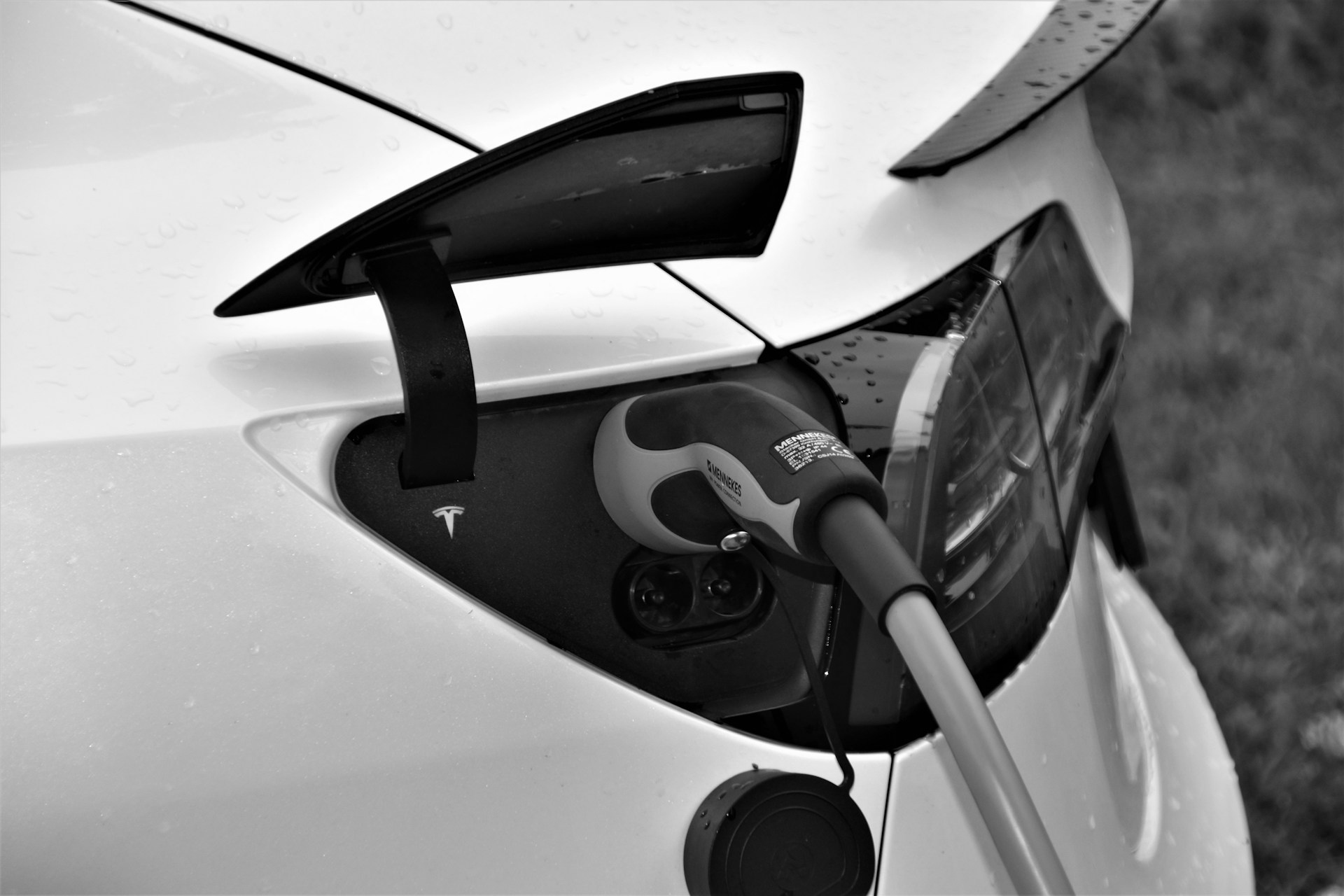
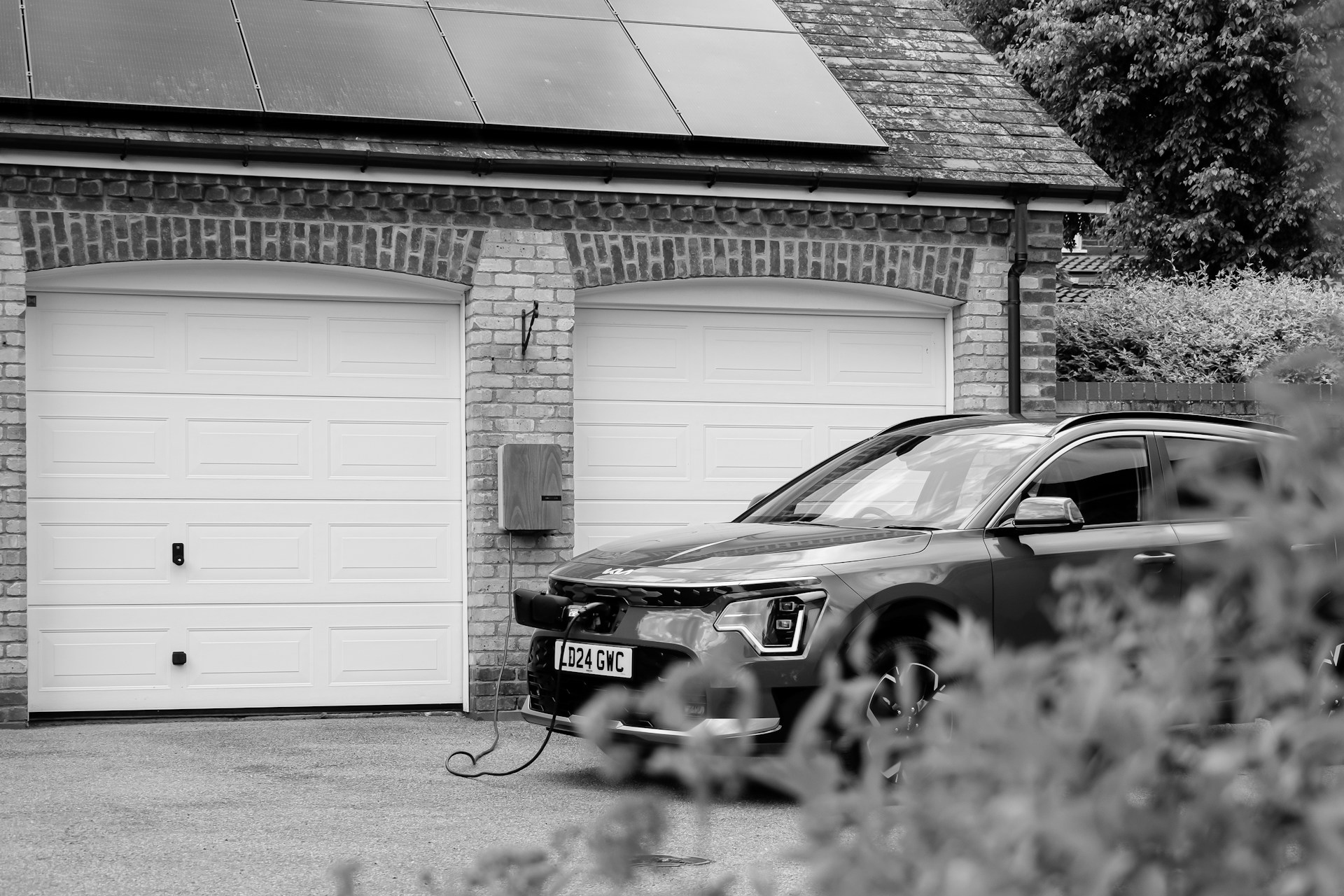
    Battery electric vehicles (BEVs) are a common alternative powertrain, and the concept behind them is fairly simple. Like any battery-powered device, these machines draw electricity from the grid, storing it onboard large batteries that can propel them. There’s no gasoline, no diesel and no noisy internal-combustion engine. They can be charged either at home or at a public charging station.

    Most BEVs also feature regenerative braking, which helps reclaim energy during braking and feeds it back to the battery to increase efficiency. This convenience is a major selling point. In the United States, electric car sales reached 1.6 million in 2024, accounting for over 10% of new purchases.

    They’re also beneficial for the environment and air quality, as they produce zero tailpipe emissions. Compared to traditional gasoline-powered vehicles, this alternative powertrain doesn’t emit harmful fumes, which is great for already congested and polluted cities.

    Due to having fewer moving parts and fluids, BEVs require significantly less maintenance than a typical gasoline-powered car. The driving experience is also smoother, thanks to their electric motors delivering instant torque. It’s a step up from the intense vibration and loud growls of a typical combustion engine.

    Hybrid Electric Vehicles

    If BEVs sound like too much of a transition, hybrid electric vehicles (HEVs) might be the choice for you. In many ways, they’re the best of both worlds, combining a traditional internal combustion engine with one or more electric motors and a battery pack. It’s a great alternative powertrain for those who want a balance between conventional driving and the efficiency of a BEV.

    Depending on driving conditions, a HEV can switch between two power sources seamlessly. There are also plenty of options to choose from. Full hybrids are ideal for city driving, as electricity alone can power them for short distances. On the other hand, mild hybrids don’t just run on electricity — they use it to assist the traditional combustion engine.

    Regardless of the type, every HEV has a benefit. First and foremost, they’re great for the environment and your wallet, as they improve fuel consumption. However, arguably the greatest benefit of HEVs is their flexibility. Compared to BEVs, there’s no worry about how far your car will take you, or whether you’ll find a place to charge, as the internal combustion engine acts as a backup.

    Fuel Cell Electric Vehicles

    Another alternative powertrain is fuel cell electric vehicles (FCEVs). Although FCEVs are still relatively uncommon in the U.S. — most hydrogen refueling stations are in California — these vehicles are still a noteworthy contender. A fuel cell stack within the machine converts hydrogen gas into electricity, which then powers an electric motor.

    In terms of environmental efficiency, this alternative powertrain really takes the win. FCEVs produce only water vapor as a by-product, meaning the process is entirely clean and emits zero emissions. Many of these units are also equipped with a battery that stores energy through regenerative braking like a BEV.

    One of the major benefits of an FCEV when compared to other alternative powertrains is the amount of time it takes to refuel. Unlike a BEV — which often has a lengthy refueling process — an FCEV can do so in the same amount of time it takes to fill a gasoline tank. Long driving ranges are also possible, with many allowing you to drive over 300 miles before having to stop.

    https://unsplash.com/photos/black-car-on-parking-lot-during-daytime-ftAVIslKM6Q

    The Future of Alternative Powertrains 

    Alternative powertrains are increasing in popularity. As you begin to see even more gasoline alternatives on the road, their appeal is bound to grow. Each type of vehicle discussed above has its own unique benefits. BEVs offer low running costs and instant torque, while HEVs provide flexibility. On the other hand, FCEVs offer long ranges and a truly clean driving experience.

    However, the truth is that the future isn’t likely to revolve around a single solution. It’s not a one-size-fits-all scenario, as each powertrain serves its own purpose. With growing concerns about climate change, these options offer a more environmentally friendly solution to traditional combustion engines, which will be invaluable in the years to come.

  • How Does V2L Work and What Are Its Benefits?

    How Does V2L Work and What Are Its Benefits?

    Today, cars can do a lot more than get you from point A to point B. Thanks to vehicle-to-load, or V2L, many electric vehicles (EVs) now also serve as portable power sources. They can power the things you’d normally plug into a wall socket, giving you a mobile energy hub. This technology allows you to rely on your car when camping, working outdoors or dealing with an unexpected power outage.

    What Is V2L?

    V2L lets an EV act like a giant power bank. The vehicle can send power out through built-in outlets or an external adapter. This technology is commonly known as bidirectional charging. With this feature, you can plug in various items, such as laptops, kettles, speakers, fans or light power tools.

    It’s different from technologies like vehicle-to-home, which powers an entire house, or vehicle-to-grid, which feeds energy back into the electric grid. V2L is the more user-friendly version meant for everyday situations.

    EVs have taken the automotive industry by storm in the past decade. In 2024, they made up more than 20% of new car sales worldwide. As these vehicles continue to gain popularity, car manufacturers have begun adding new features, like V2L, that make them more useful than ever. 

    How Does V2L Work?

    EVs use powerful lithium-ion batteries, which can hold impressive amounts of energy, often far more than what most drivers use on a typical day.  They have an excellent power-to-weight ratio and remain stable even when used for hours. This makes them perfect for powering extra devices when the car is parked.

    Since EV batteries store energy as direct current, the vehicle uses an onboard inverter to convert it into alternating current. That’s the same type of electricity your home outlets provide. Once converted, the power becomes accessible through an exterior port or a standard plug inside the cabin or boot.

    The beauty of V2L is that it works instantly. You plug in, and the power flows. Some EVs with this feature come with built-in standard power sockets. The Kia EV 6, for example, features an internal outlet located under the rear seats or in the boot. The Ford F-150 Lighting provides multiple outlets inside the cabin and in the truck bed.

    Other models use an external adapter, which the automaker typically includes with the car. You plug your device or an extension lead into the adapter, connect the adapter to the charge port, then switch on V2L mode through the car’s settings or a button on the adapter itself. Other than that, you don’t need any special equipment.

    Most EVs with V2L offer an output range of between 1.5 and 3.6 kW. That’s more than enough for a low- to medium-powered device, such as a small TV or charging your laptop. However, some EVs provide up to 10.3 kW or more, such as the 2026 Polestar 4. 

    You can set a limit on how much you can use the battery for V2L. Many EVs will shut off the feature once the battery reaches 20%. 

    What Are the Benefits?

    By transforming your vehicle into a mobile power station, V2L technology offers several real-world advantages, from enhancing outdoor activities to offering a lifeline during a power outage.

    1. Flexible Convenience 

    V2L makes your life easier when you’re outdoors or far from a power source. Since your car can run small appliances, it makes road trips, beach days, picnics and camping more convenient. You no longer have to pack multiple power banks or rely on nearby facilities. For remote workers, this allows you to work while you’re out and about.

    2. Emergency Support

    Having a car with this feature can be helpful during unexpected situations. For example, you can keep essential items running during a blackout, such as a fan, a kettle, phone chargers or small medical devices. It may also help emergency responders or first-aid setups in remote areas where electricity is unavailable.

    3. Saved Equipment and Fuel Costs

    Because V2L already provides a backup battery system for your household or business, you don’t need to buy or maintain a separate generator. This means you can save money for both equipment and fuel.  

    Unlocking Your EV’s Full Potential 

    V2L offers many exciting possibilities for drivers. It gives you the freedom to power devices wherever you go. While not all EVs on the market currently provide the V2L feature, the growing popularity of electric cars suggests it’s only a matter of time before more models incorporate it as a standard feature.

  • Level 3 Autonomous Vehicles Are Possible With These 9 Pieces of Tech

    Level 3 Autonomous Vehicles Are Possible With These 9 Pieces of Tech

    Every year moves people closer to a reality where roads are full of cars driving themselves. Today, there are five levels of self-driving cars, with Level 1 being simple advanced driving assistance and Level 5 being fully autonomous.

    Level 3 autonomous vehicles can handle all critical driving tasks. Although they’re becoming more prevalent, this type of self-driving car is still limited to specific geographical areas and conditions. Here’s a deep dive on the tech that makes them possible. 

    1. Light Detection and Ranging

    One crucial piece of technology that enables Level 3 autonomous vehicles to function is light detection and ranging (LiDAR). This equipment creates a 3D and 360-degree map of the vehicle’s surroundings in real time.

    LiDAR is not only used in self-driving cars — it’s also in other sectors, including by scientists to examine the Earth’s surface and by developers designing civil engineering projects. For Level 3 autonomous cars, it is used to accurately predict distances and identify the shape of objects — a must for ensuring the safety of passengers and pedestrians. 

    1. Cameras

    A Level 3 autonomous car uses multiple high-resolution cameras to provide detailed visual data for perceiving the environment and making decisions. These perspectives allow the vehicle to identify and classify objects, such as other cars, pedestrians, road signs and traffic lights.

    1. Radars

    Radar is used to complement cameras and LiDAR systems on Level 3 autonomous vehicles. It’s also crucial for keeping these self-driving cars running safely. One of the significant strengths of radar is its ability to measure velocity instantly and precisely. This is something that both LiDAR and cameras struggle with, due to the need to process multiple frames. 

    1. Sensor Fusion

    No single sensor is enough for a self-driving car to navigate through hazards on the road. That’s where sensor fusion technology comes in. This is the process of combining data from multiple sources, like radar, cameras and LiDAR, to create a single and highly accurate model of the environment. Research has shown that fusing data from multiple sensors enables a vehicle to perceive its surroundings in adverse weather conditions.

    1. Massive Data Processing 

    Fortune Business Insights projects that the global autonomous vehicle market will be worth around $13,632 billion by 2030. The ability to process massive amounts of data and advancements in that area will be a huge part of the industry’s future success. A self-driving vehicle often exceeds multiple gigabytes every minute of operation, which is processed and interpreted in real time for safe and effective navigation. 

    1. Specialized Processors 
    https://unsplash.com/photos/a-car-dashboard-with-a-laptop-on-it-Pjo1eTA2zfA

    This mammoth amount of data is something even the strongest of gaming PC’s would struggle to handle. To make it all possible, Level 3 autonomous vehicles are equipped with powerful processors, which are like the brain of the operating system. These processing units are far from run-of-the-mill processors — they’re highly specialized systems tailored toward the demands of a self-driving car, with hefty graphics processing units and custom AI accelerators.

    1. Advanced GPS

    Another piece of technology that enables self-driving cars is a complex, advanced GPS. Most vehicles on the market today have some level of GPS and connectivity between them. However, consumer-grade GPS is not accurate or reliable enough to power a Level 3 autonomous vehicle. That’s because most standard GPS products offer meter-level accuracy, whereas Level 3 cars require centimeter-level precision. 

    1. Low-Latency Decision-Making Technologies

    On the road, the ability to make split-second decisions when driving can be the difference between life and death. That’s why low-latency processing systems are crucial for making a Level 3 autonomous vehicle possible. In the future, you can expect to see a greater integration of LLM and AI models to enhance decision-making, enabling critical decision-making in milliseconds.

    1. High Definition Maps 

    Level 3 vehicles use high-definition maps that provide rich spatial information, which is necessary for safe navigation. They detail lane markings, road signs, curbs and road geometry. This tech also helps with localization, allowing the vehicle to pinpoint its position by comparing sensor data to the HD map. These maps update in real time through cellular networks, providing information on traffic, accidents and construction.

    Level 3 Autonomy Is a Technological Triumph 

    Level 3 is a wonder of both science and technology, with a combination of advanced sensors, AI and high-definition maps. While there are regulations and practical challenges that lie ahead for widespread adoption, these vehicles demonstrate just how near a fully autonomous future is and the technology that’s powering the way.