

Autonomous vehicles (AV) are rapidly becoming a reality on our roads. While the majority of cars today have some level of advanced driving systems, they haven’t yet achieved full autonomy. Self-driving cars still face numerous challenges that must be overcome before they’re widely adopted, from technological challenges to ethical debates.
Technological Challenges and Solutions
Numerous logistical and technological challenges are associated with autonomous vehicles. Below are the most prominent issues impacting the industry.
- Navigating Adverse Weather Conditions
Autonomous vehicles will need to overcome perception. It’s something we take for granted as humans, but AVs struggle to interpret complex and unpredictable environments. This is especially true for adverse weather conditions, such as snow, rain and fog. In the past few years, there has been an increased focus on creating software that can help AVs navigate tricky conditions, but it will remain an issue in the years ahead.
- Making Complex Decisions
Programming AVs to make humanlike decisions in novel situations is another major technological hurdle. Whether it’s navigating construction zones, potholes or other human drivers, AVs will need to react fast to unpredictable obstructions. To achieve this, deep reinforcement learning and simulation tests can train AVs to learn from experience in a safe and controlled environment.
- Avoiding Cyberattacks
As the number of AVs on the road increases, so do cybersecurity risks. In the coming years, AV manufacturers will need to ensure that their vehicles are immune to cyberattacks — otherwise, there could be devastating consequences.
Cyberattacks are a huge and multifaceted issue with autonomous vehicles, with research finding that those with high cyber or AV knowledge are particularly worried. It’s likely that multi-layered security architectures, including intrusion detection systems, will be implemented, along with over-the-air (OTA) software updates to patch vulnerabilities as they are discovered.
Ethical Challenges and Solutions
In addition to technological issues, there are numerous ethical and societal implications of autonomous cars.
- Making Ethical Judgements
A crucial ethical issue with autonomous vehicles is how they make life-or-death decisions. Some collisions are unavoidable. While humans often make split-second judgment on instinct, AVs must be programmed to take the next action.
Should the AV prioritize the safety of those inside, even if it puts more people at risk? This is a common philosophical question known as the Trolley Problem, and it remains a topic of contentious debate in the AV space today.
- Ensuring Trust and Acceptance
Another hurdle for the widespread adoption of AVs is trust. Driving automation has five levels, and the majority of cars on the road today have some form of automated features. The Level 2 category, which is partial driving automation, is the most common level we see today. However, to achieve widespread Level 5 automation, which is fully autonomous, consumers must have trust and acceptance to adopt the technology.
This trust is currently fragile and easily shaken by high-profile accidents. A solution to this will likely center on the communication between manufacturers and consumers. In the years ahead, we’ll see an emphasis on conveying the limits of this tech, as well as the safety benefits of AVs.
- Mitigating the Economic Impact
The adoption of AVs is expected to cause widespread disruption to the economy and employment. From taxi cars to trucks, this industry could displace millions of professional drivers. Although it’s predicted that advanced driving assistance and autonomous driving could generate between $300 billion and $400 billion by 2035, there’s concern that the benefits may not be distributed evenly.
As the economic impacts become more visible, this issue is bound to grow and make consumers wary of adaptation. According to some reports, when AV saturation reaches its highest level, drivers in the U.S. could experience job losses at a rate of 300,000 per year. Future discussions will address job displacement, worker retraining and ensuring that the benefits of autonomous vehicles are accessible to all income levels.
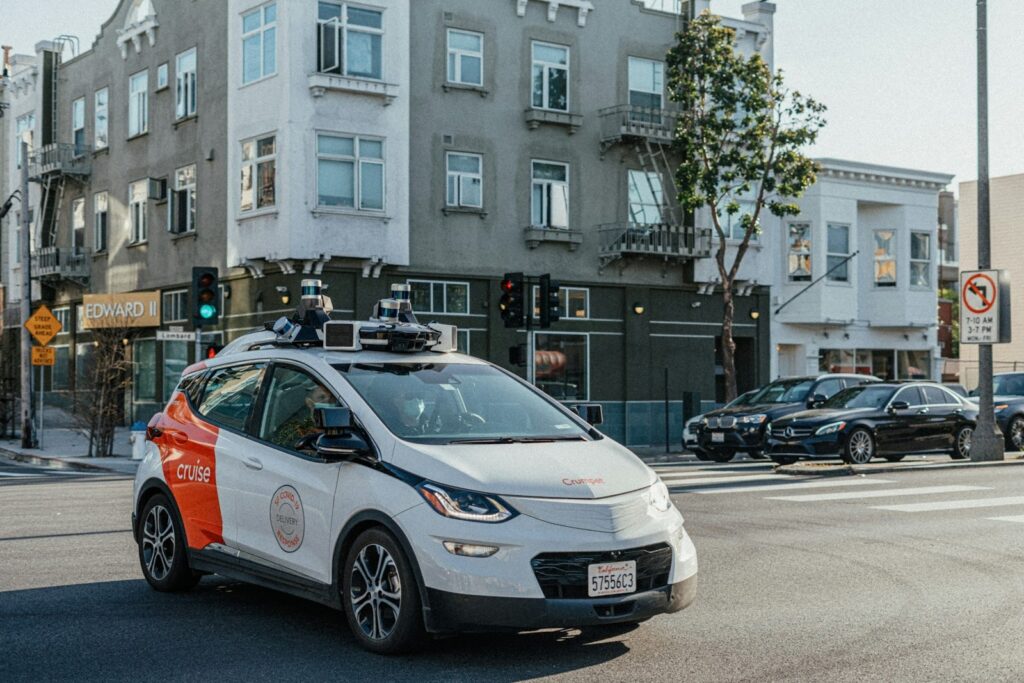
The Road Ahead for Autonomous Vehicles
The idea of a self-driving car was once reserved for science fiction. Today, it’s becoming a reality. The question is not whether self-driving cars will change society — it’s a matter of when and how. Current issues with autonomous vehicles are a tough challenge for engineers and policymakers to overcome. However, with the combination of innovative technology and thoughtful policy, AVs can move from a promising concept to a tangible reality on our roads.