
For as long as the car has existed, combustion engines have ruled the road. However, the automotive world is transforming thanks to technological advancements. From rising fuel costs to environmental anxieties, consumers are considering alternative powertrains — engines that don’t rely on gasoline or diesel for fuel. Below are three major alternatives, along with an overview of their benefits.
Battery Electric Vehicles
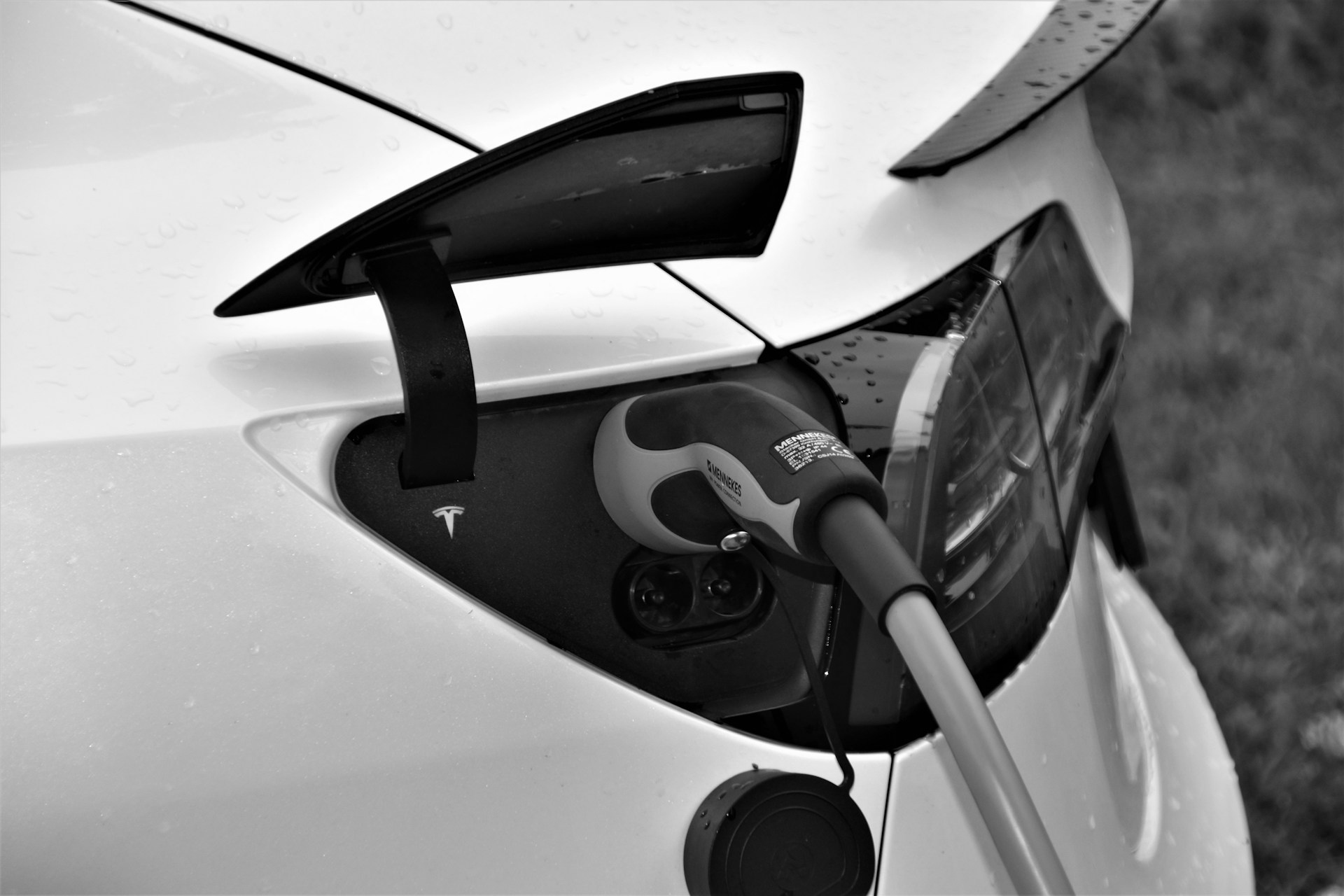
Battery electric vehicles (BEVs) are a common alternative powertrain, and the concept behind them is fairly simple. Like any battery-powered device, these machines draw electricity from the grid, storing it onboard large batteries that can propel them. There’s no gasoline, no diesel and no noisy internal-combustion engine. They can be charged either at home or at a public charging station.
Most BEVs also feature regenerative braking, which helps reclaim energy during braking and feeds it back to the battery to increase efficiency. This convenience is a major selling point. In the United States, electric car sales reached 1.6 million in 2024, accounting for over 10% of new purchases.
They’re also beneficial for the environment and air quality, as they produce zero tailpipe emissions. Compared to traditional gasoline-powered vehicles, this alternative powertrain doesn’t emit harmful fumes, which is great for already congested and polluted cities.
Due to having fewer moving parts and fluids, BEVs require significantly less maintenance than a typical gasoline-powered car. The driving experience is also smoother, thanks to their electric motors delivering instant torque. It’s a step up from the intense vibration and loud growls of a typical combustion engine.
Hybrid Electric Vehicles
If BEVs sound like too much of a transition, hybrid electric vehicles (HEVs) might be the choice for you. In many ways, they’re the best of both worlds, combining a traditional internal combustion engine with one or more electric motors and a battery pack. It’s a great alternative powertrain for those who want a balance between conventional driving and the efficiency of a BEV.
Depending on driving conditions, a HEV can switch between two power sources seamlessly. There are also plenty of options to choose from. Full hybrids are ideal for city driving, as electricity alone can power them for short distances. On the other hand, mild hybrids don’t just run on electricity — they use it to assist the traditional combustion engine.
Regardless of the type, every HEV has a benefit. First and foremost, they’re great for the environment and your wallet, as they improve fuel consumption. However, arguably the greatest benefit of HEVs is their flexibility. Compared to BEVs, there’s no worry about how far your car will take you, or whether you’ll find a place to charge, as the internal combustion engine acts as a backup.
Fuel Cell Electric Vehicles
Another alternative powertrain is fuel cell electric vehicles (FCEVs). Although FCEVs are still relatively uncommon in the U.S. — most hydrogen refueling stations are in California — these vehicles are still a noteworthy contender. A fuel cell stack within the machine converts hydrogen gas into electricity, which then powers an electric motor.
In terms of environmental efficiency, this alternative powertrain really takes the win. FCEVs produce only water vapor as a by-product, meaning the process is entirely clean and emits zero emissions. Many of these units are also equipped with a battery that stores energy through regenerative braking like a BEV.
One of the major benefits of an FCEV when compared to other alternative powertrains is the amount of time it takes to refuel. Unlike a BEV — which often has a lengthy refueling process — an FCEV can do so in the same amount of time it takes to fill a gasoline tank. Long driving ranges are also possible, with many allowing you to drive over 300 miles before having to stop.

The Future of Alternative Powertrains
Alternative powertrains are increasing in popularity. As you begin to see even more gasoline alternatives on the road, their appeal is bound to grow. Each type of vehicle discussed above has its own unique benefits. BEVs offer low running costs and instant torque, while HEVs provide flexibility. On the other hand, FCEVs offer long ranges and a truly clean driving experience.
However, the truth is that the future isn’t likely to revolve around a single solution. It’s not a one-size-fits-all scenario, as each powertrain serves its own purpose. With growing concerns about climate change, these options offer a more environmentally friendly solution to traditional combustion engines, which will be invaluable in the years to come.